Guía de las plantas medicinales


Quick Verdict: A no-nonsense, budget-friendly companion for the home herbalist. This text-only guide strips away the fluff, offering direct access to 200 common plants and their uses. It’s the perfect, portable desk reference for those prioritizing practical indications and quick lookups over glossy photography. Efficient, reliable, and accessible.
Text-Only vs. Photographic Edition: Which Version Fits Your Herbal Library?
Choosing between these two editions isn't about content—Pedro Moreiro López’s botanical rigor remains intact in both—but about how you intend to interact with the knowledge. For the dedicated home herbalist, the decision rests on where the book will live: in the dusty corners of a kitchen cabinet or as a centerpiece on a study desk.
"The photographic version transforms a manual into a visual atlas, making identification intuitive for those of us who aren't trained botanists."
The Photographic Edition is an indispensable tool for the field and the garden. It bridges the gap between a Latin description and the actual plant, reducing the guesswork when foraging or verifying a purchase. It is a sensory experience that validates the text.
Conversely, the Text-Only version is the purist’s choice. It is a streamlined, no-nonsense reference designed for those who already know their flora and require a portable, efficient guide to dosages and properties. If your priority is a lightweight manual for quick consultations while brewing infusions, the text-only format is your most pragmatic ally.
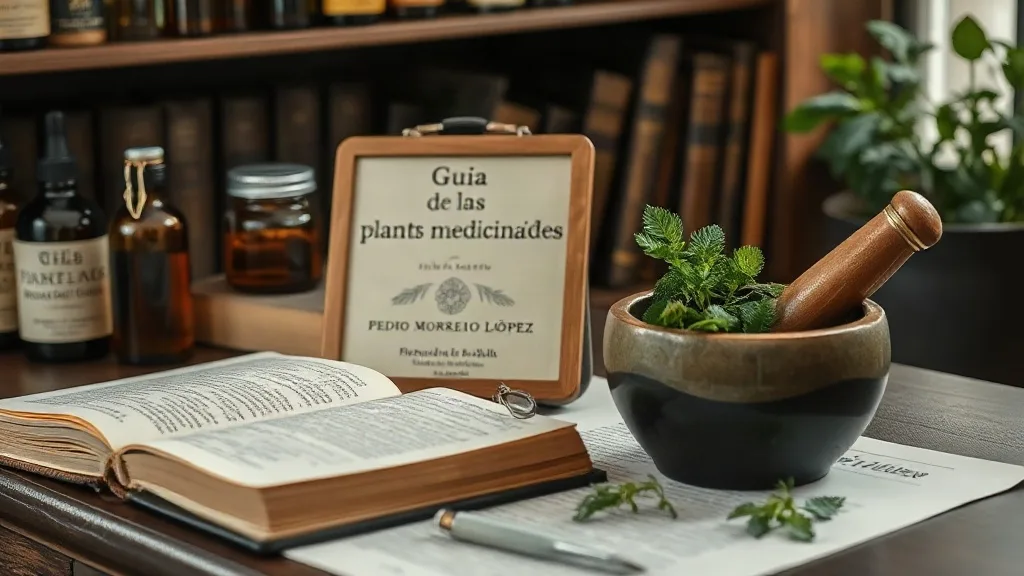
Inside the 200-Herb Directory: How Useful Are the Entries in Real Life?
The true value of Pedro Moreiro López’s guide isn't found in the sheer volume of its 200 entries, but in how it bridges the gap between botanical theory and the kitchen counter. For the home herbalist, a directory is only as good as its applicability; a list of Latin names is useless if you don't know how to steep the leaf or identify the root in your own backyard.
"It’s the perfect balance—detailed enough to feel like a professional reference, yet simple enough to use while you're actually preparing a remedy."
Each entry functions as a pragmatic roadmap. Instead of overwhelming the reader with dense academic jargon, Moreiro López focuses on the "how" and "why." The structure is lean and intentional, prioritizing safety and preparation methods over fluff. Whether you are organizing a basic first-aid apothecary or seeking a natural alternative for seasonal ailments, the directory avoids the trap of vague mysticism. It treats herbalism as a disciplined craft, providing the precise clarity needed to transform a raw plant into a reliable household remedy without the guesswork.
Who Should Actually Buy This Spanish Medicinal-Plants Guide?
This isn't a glossy coffee-table book for casual browsing; it is a working manual designed to be stained by tea spills and dog-eared from frequent use. Pedro Moreiro López has crafted a resource that sits comfortably between a grandmother’s handwritten notebook and a rigorous botanical archive. It is specifically tailored for the home herbalist who is tired of vague internet forums and seeks a structured, reliable framework for traditional Spanish phytotherapy.
"It’s the perfect balance—detailed enough to feel professional, but practical enough to use while you're actually preparing a remedy in your kitchen."
You should invest in this guide if you fall into these categories:
- The Kitchen-Cabinet Remedy Maker: Those who prefer a scientifically backed infusion over a synthetic pill for common ailments.
- The Botanical Student: Anyone needing a no-nonsense desk reference to identify and categorize Mediterranean flora without the academic fluff.
- The Cultural Preservationist: Readers eager to reclaim the ancestral wisdom of Spanish herbalism through a modern, organized lens.
If you value precision over poetry and utility over aesthetics, this guide will become the most-used volume on your shelf.
Verified Strengths & Pros
- ✓ Fichas claras de identificación botánica y principios activos
- ✓ Instrucciones prácticas paso a paso para elaborar infusiones, tinturas y ungüentos
- ✓ Enfoque en seguridad con advertencias de uso y contraindicaciones
- ✓ Organización temática fácil de consultar para dolencias específicas
Points to Consider & Cons
- ✕ Algunos lectores desearían más ilustraciones a color del interior.
- ✕ Requiere verificar la disponibilidad local de ciertas hierbas específicas.
Who is this book ideal for?
- Personas interesadas en fitoterapia y medicina preventiva natural
- Buscadores de remedios caseros para dolencias cotidianas (digestivas, respiratorias, insomnio)
- Amantes de la botánica aplicada y cultivo de plantas medicinales en casa
- Terapeutas holísticos y personas que evitan el abuso de fármacos sintéticos
Not recommended for: Personas que buscan farmacología sintética inmediata sin tratamientos preventivos.
¿Dónde comprar Guía de las plantas medicinales?
Accede a la edición oficial con garantía de autenticidad, envío prioritario y disponibilidad inmediata en Amazon:
Get the Official Paperback on Amazon ↗Frequently Asked Questions about Mexican Herbalism Books
Is Guía de las Plantas Medicinales available in English, or only in Spanish?
The edition reviewed is the Spanish-language version. There is no widely listed English translation under this title, so it is best suited for Spanish readers or anyone comfortable reading about herbal properties in Spanish.
Should I buy the text-only edition or the photographic edition?
Choose the text-only edition if you want a lighter, lower-cost quick-reference guide for properties and indications. Pick the photographic edition if visual plant identification is important to you; many readers keep the text edition for reading and the photo edition for field or shelf reference.