Guía de Plantas Medicinales
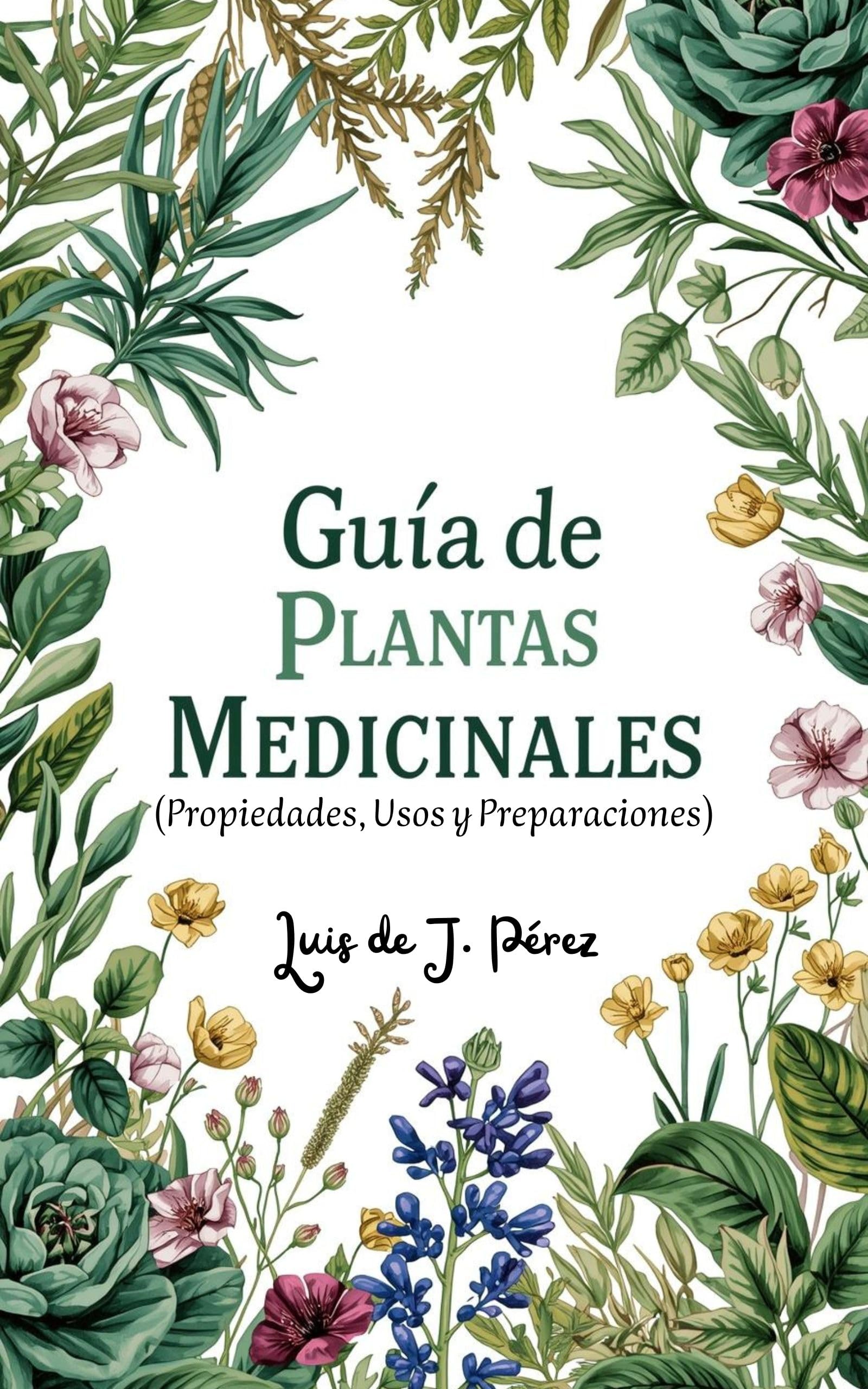
Quick Verdict: A warm, trusted bridge to ancestral Latin American healing. Pérez García blends "abuelo" wisdom with modern safety, making traditional Spanish-language remedies accessible for all. It’s the perfect beginner-friendly guide to preserving heritage medicine without the guesswork—offering clear dosages and respectful, evidence-aware practices for the modern home.
From Abuela’s Kitchen to Your Bookshelf: How This Guide Keeps Tradition Safe
There is a specific kind of magic in a handwritten recipe for a digestive tea, passed down through generations and stained with turmeric. But as these oral traditions migrate from the sun-drenched kitchens of our ancestors to the fast-paced reality of modern American life, something vital often gets lost in translation: the nuance of safety and dosage.
"It’s like having my grandmother’s wisdom right here, but with the clarity and safety warnings I need to feel confident using it today."
Luis de J. Pérez García doesn't just list plants; he archives a heritage. His guide bridges the gap between the intuitive "pinch of this" approach and the rigorous standards of contemporary herbalism. He treats nature with the reverence of a devotee but the caution of a practitioner, ensuring that the pursuit of wellness never compromises health. By grounding ancestral remedies in evidence-aware guidance, Pérez García transforms a nostalgic collection of cures into a practical, living toolkit. It is a respectful nod to the past, meticulously curated for a reader who values tradition but demands precision.
Inside the Herbal Cabinet: Species, Preparations & What Makes the Content Practical
Walking through the pages of Luis de J. Pérez García’s guide feels less like reading a textbook and more like sitting in a sun-drenched kitchen with a grandfather who knows exactly which leaf settles a restless stomach. There is a profound, rooted wisdom here—a heritage of healing that doesn't shout, but whispers its secrets through a curated selection of species that bridge the gap between ancestral folklore and modern utility.
"It's the kind of knowledge that makes you look at your backyard not as a lawn, but as a living pharmacy."
What elevates this work is its insistence on the how. Pérez García doesn't just list plants; he demystifies the alchemy of preparations. Whether it is the slow patience of a tincture or the immediate comfort of an infusion, the instructions are stripped of pretension and focused on efficacy. However, this warmth is balanced by a necessary sobriety. The author weaves in clear safety guardrails, ensuring that the reader respects the potency of the earth. It is a practical manual for the mindful modern seeker—one that honors the old ways while keeping a steady, evidence-aware eye on the well-being of the user.
Who Should Buy the Spanish Edition? A U.S. Reader’s Guide to Gifting, Learning & Home Herbalism
Picking up the Spanish edition of Luis de J. Pérez García’s guide isn't just about acquiring a manual; it’s about reclaiming a lineage. For the heritage speaker or the descendant of immigrants, this book acts as a bridge. It’s for the person who remembers their grandmother whispering about manzanilla or estafiate but lacks the technical framework to apply those remedies safely today.
"It feels like having my abuela's wisdom organized into a professional library. It validates the traditions I grew up with while giving me the confidence to use them correctly."
Beyond nostalgia, this is a vital tool for the dedicated student of botany. Reading these remedies in their original linguistic context prevents the "lost in translation" errors that often plague English herbalism. However, a word of caution: herbalism is a partnership with nature, not a replacement for clinical medicine. This guide is best used as a companion to professional healthcare, blending ancestral intuition with a respectful awareness of safety and dosage.
- The Heritage Learner: To reconnect with ancestral roots through a structured, linguistic lens.
- The Bilingual Herbalist: To bridge the gap between traditional folk medicine and modern botanical study.
- The Thoughtful Gifter: For those seeking a legacy piece that honors Hispanic cultural identity and wellness.
Verified Strengths & Pros
- ✓ Fichas claras de identificación botánica y principios activos
- ✓ Instrucciones prácticas paso a paso para elaborar infusiones, tinturas y ungüentos
- ✓ Enfoque en seguridad con advertencias de uso y contraindicaciones
- ✓ Organización temática fácil de consultar para dolencias específicas
Points to Consider & Cons
- ✕ Algunos lectores desearían más ilustraciones a color del interior.
- ✕ Requiere verificar la disponibilidad local de ciertas hierbas específicas.
Who is this book ideal for?
- Personas interesadas en fitoterapia y medicina preventiva natural
- Buscadores de remedios caseros para dolencias cotidianas (digestivas, respiratorias, insomnio)
- Amantes de la botánica aplicada y cultivo de plantas medicinales en casa
- Terapeutas holísticos y personas que evitan el abuso de fármacos sintéticos
Not recommended for: Personas que buscan farmacología sintética inmediata sin tratamientos preventivos.
¿Dónde comprar Guía de Plantas Medicinales?
Accede a la edición oficial con garantía de autenticidad, envío prioritario y disponibilidad inmediata en Amazon:
Get the Official Paperback on Amazon ↗Frequently Asked Questions about Mexican Herbalism Books
Is Guía de Plantas Medicinales suitable for someone with no prior herbal medicine experience?
Yes. The author explicitly wrote it for readers of all experience levels, breaking down each plant’s properties, uses, and preparations in accessible Spanish so beginners can follow along confidently.
Does this book focus on Latin American medicinal plants, or is it a general global herbal guide?
The book is rooted in the preservation of traditional knowledge, with a strong emphasis on remedies and plants commonly used in Hispanic/Latino herbal practice, while still presenting clear, practical guidance on safe preparation and responsible use.