Plantas Medicinales Y Curativas
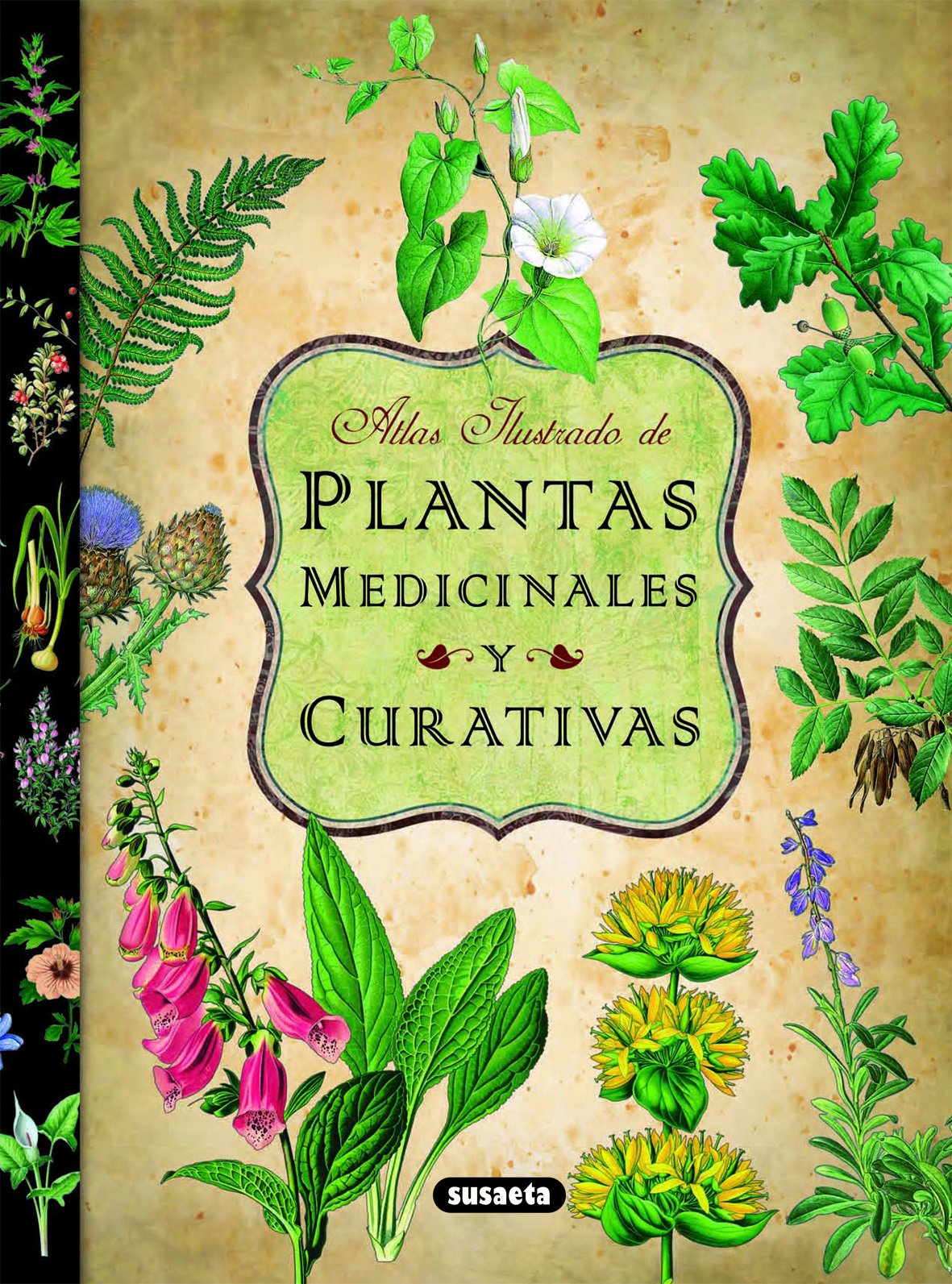
Quick Verdict: A masterful bridge between clinical botany and home wellness. This visually stunning atlas blends pharmaceutical precision with traditional wisdom, offering active principles and harvesting guides. It is an essential, coffee-table-ready reference for both professional clinicians and hobby herbalists seeking a rigorous yet inviting guide to nature’s pharmacy.
From Lab to Garden: How This Atlas Bridges Pharmaceutical Science and Folk Herbalism
The tension between clinical pharmacology and ancestral wisdom often creates a divide: one views the plant as a collection of isolated active compounds, the other as a holistic remedy. The Plantas Medicinales Y Curativas by Equipo Susaeta dissolves this friction, positioning itself not as a mere catalog, but as a translational bridge. It treats the botanical specimen with the rigor of a laboratory reference—detailing morphology and chemical properties—while maintaining the soul of a home apothecary.
What distinguishes this volume is its refusal to oversimplify. It acknowledges that a leaf is both a biological machine and a domestic ally. By pairing precise botanical classifications with practical application, the atlas empowers the reader to transition from passive curiosity to informed stewardship of their own wellness.
"It is a rare find that manages to be a reliable scientific guide and a warm invitation to rediscover the healing power of nature in our own backyards."
This synthesis transforms the act of gardening into a form of applied science. For the modern household, the book serves as a vital reminder that the most sophisticated pharmacy is often the one rooted in the earth, provided one has the correct map to navigate it.
A Field Guide You Can Actually Read on the Coffee Table: Anatomy of the Illustrations and Layout
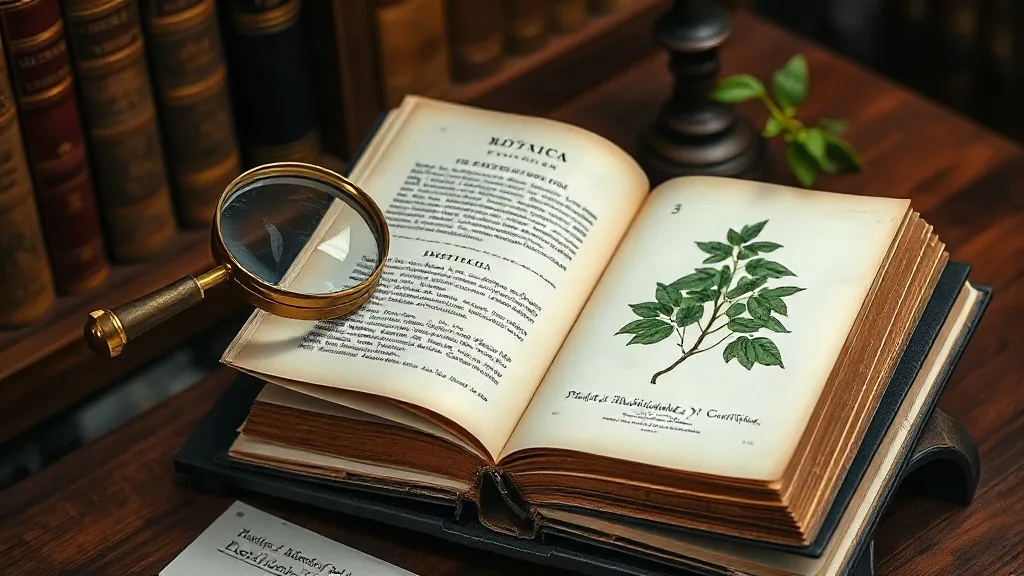
The brilliance of Susaeta’s approach lies in its refusal to choose between clinical precision and domestic accessibility. Most botanical references suffer from a sterile detachment or an amateurish lack of rigor; here, the layout functions as a bridge. Each page is a masterclass in visual hierarchy, pairing high-fidelity illustrations that capture the exact morphology of a leaf or root with a spatial breathing room that prevents the reader from feeling overwhelmed.
"It is the perfect balance: detailed enough to identify a plant in the wild, yet beautiful enough to leave open in the living room as a piece of art."
The anatomy of the layout mirrors the practice of a home apothecary—organized, intentional, and intuitive. By integrating taxonomic accuracy with a warm, inviting aesthetic, the book transforms from a mere reference manual into a living companion. The visual richness doesn't just serve as decoration; it acts as a diagnostic tool for the hobbyist, ensuring that the transition from the printed page to the garden is seamless and safe. It is a rare specimen of publishing where the form doesn't just follow function—it elevates it.
Who Should Leaf Through This Atlas? Matching the Book to Herbalists, Pharmacists, and Curious Beginners
The Plantas Medicinales Y Curativas by Equipo Susaeta occupies a rare intersection between a clinical pharmacopeia and a domestic companion. It is designed for those who demand taxonomic rigor without sacrificing the intuitive warmth of a home apothecary. For the professional pharmacist or botanist, the volume serves as a streamlined cross-reference, distilling complex phytochemical properties into accessible, visually anchored profiles that prioritize rapid identification and therapeutic application.
However, the true magic of this atlas lies in its accessibility for the "wellness-curious." It transforms the daunting complexity of herbalism into a curated journey of discovery. Rather than overwhelming the reader with dense jargon, it balances precise botanical descriptions with practical guidance, making it an essential cornerstone for any household seeking to reclaim a lost connection with nature's pharmacy.
"A masterful blend of scientific precision and practical utility; it bridges the gap between the sterile laboratory and the organic garden, turning a simple curiosity into a disciplined practice of natural healing."
Whether you are cataloging a private medicinal garden or cautiously exploring your first infusion, this guide provides the structural safety and botanical depth required to transition from a casual observer to a conscious practitioner.
Verified Strengths & Pros
- ✓ Fichas claras de identificación botánica y principios activos
- ✓ Instrucciones prácticas paso a paso para elaborar infusiones, tinturas y ungüentos
- ✓ Enfoque en seguridad con advertencias de uso y contraindicaciones
- ✓ Organización temática fácil de consultar para dolencias específicas
Points to Consider & Cons
- ✕ Algunos lectores desearían más ilustraciones a color del interior.
- ✕ Requiere verificar la disponibilidad local de ciertas hierbas específicas.
Who is this book ideal for?
- Personas interesadas en fitoterapia y medicina preventiva natural
- Buscadores de remedios caseros para dolencias cotidianas (digestivas, respiratorias, insomnio)
- Amantes de la botánica aplicada y cultivo de plantas medicinales en casa
- Terapeutas holísticos y personas que evitan el abuso de fármacos sintéticos
Not recommended for: Personas que buscan farmacología sintética inmediata sin tratamientos preventivos.
¿Dónde comprar Plantas Medicinales Y Curativas?
Accede a la edición oficial con garantía de autenticidad, envío prioritario y disponibilidad inmediata en Amazon:
Get the Official Paperback on Amazon ↗Frequently Asked Questions about Mexican Herbalism Books
Is this atlas useful if I don't read Spanish fluently, or is it mainly a picture reference?
The book is a Spanish edition, so the descriptive text, history, and application notes require solid Spanish comprehension. However, the detailed illustrations and Latin botanical names can still aid identification, making it a decent visual reference for non-Spanish speakers but a far richer resource for bilingual readers or Spanish learners.
Does the book teach you how to prepare remedies, or does it only identify plants?
It is primarily an illustrated encyclopedia: it identifies species, explains their applications, and notes how they are collected. While it gives context on traditional and pharmaceutical uses, it is not a step-by-step remedy recipe manual; readers looking for detailed preparation instructions should pair it with a dedicated herbal formulary.