Cómo leer un libro de herbolaria mexicana: guía para principiantes
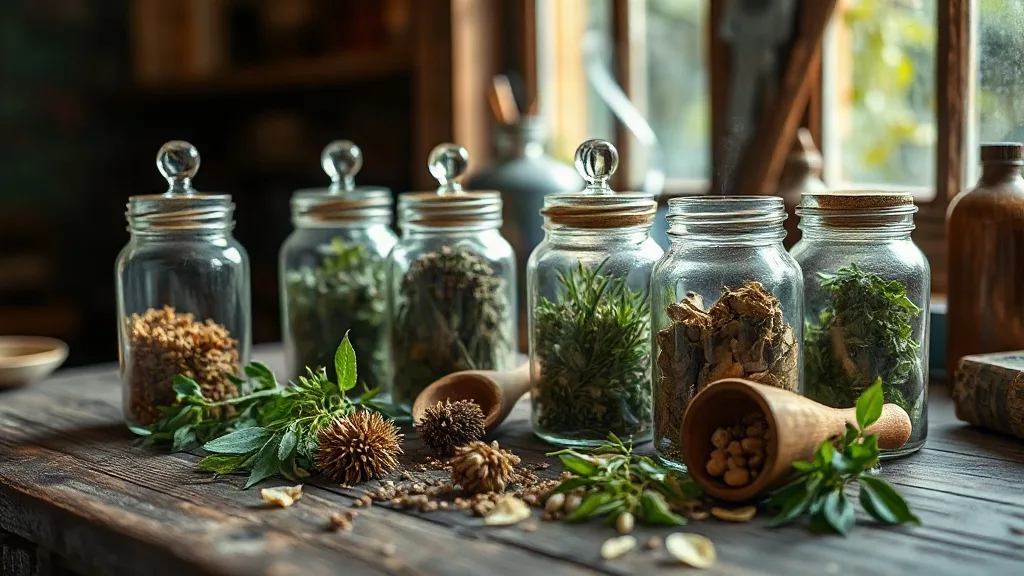

Key Summary: Approach Mexican herbalism by prioritizing botanical accuracy and safety. Start with a reliable glossary, cross-reference plant names, and focus on dosage and contraindications. Read critically, blending traditional wisdom with scientific rigor to transform a simple guide into a practical, safe, and culturally respectful healing tool.
What to Look for Before You Open a Herbolaria Book
Stepping into the world of Mexican herbolaria is an enriching journey, but for a beginner, the first few pages can feel like a labyrinth. The primary challenge lies in the gap between traditional wisdom and clinical precision. Many enthusiasts mistakenly treat herbal guides as simple cookbooks, overlooking the critical technicalities that ensure safety and efficacy.
To navigate these texts effectively, you must look beyond the common names of plants. To avoid dangerous mix-ups, prioritize the following elements:
- Botanical Nomenclature: Always verify the Latin binomial name. Common names vary by region; only the scientific name guarantees you are using the correct species.
- Precise Dosage: Be wary of vague instructions like "a pinch" or "some leaves." Look for standardized measurements to avoid toxicity.
- Contraindications: A reputable book must explicitly state who should not use the plant, including interactions with pharmaceutical drugs or pregnancy warnings.
- Evidence vs. Folklore: Distinguish between ancestral anecdotes and verified therapeutic properties to ensure a grounded approach to healing.
By filtering information through these lenses, you transform a simple reading experience into a responsible practice of natural medicine.
A Step-by-Step Method for Reading Your First Mexican Herbalism Guide
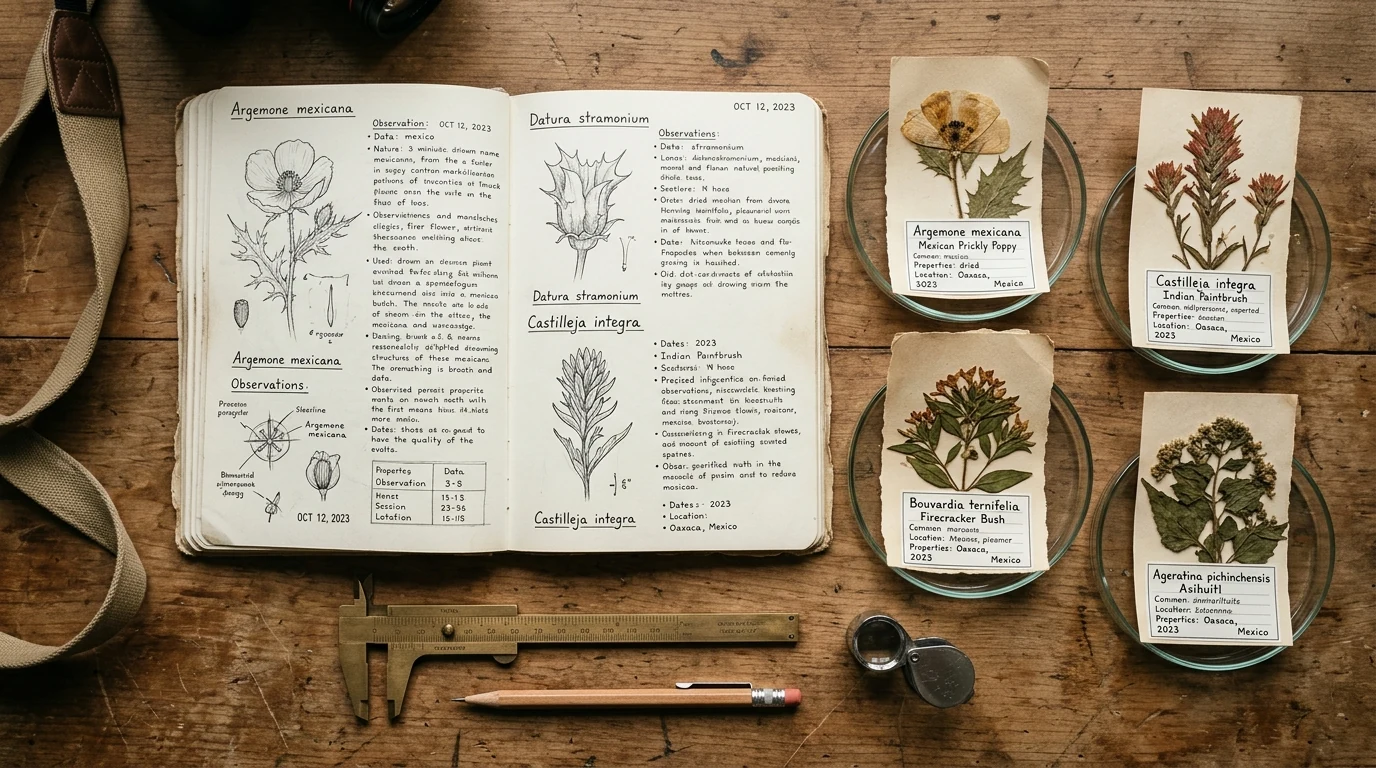
Approaching a Mexican herbalism guide for the first time can be overwhelming due to the vast array of botanical species and ancestral wisdom. To transform a dense text into a practical toolkit, you need a systematic approach that prioritizes safety and precision over intuition.
Follow this repeatable five-step process to master any entry in your guide:
- Identify the Plant: Start with the botanical name (Latin) and common Mexican names. This prevents dangerous confusion between similar-looking species.
- Understand Active Compounds: Look for the primary chemical constituents. Knowing whether a plant is rich in alkaloids or flavonoids explains how it interacts with your body.
- Check Traditional Uses: Review the ethnobotanical history. Understanding how indigenous cultures applied the plant provides context for its therapeutic intent.
- Verify Dosage and Preparation: Pay close attention to the method—be it a decoction, infusion, or tincture—and the exact measurements required for efficacy.
- Review Safety Warnings: Always conclude by checking contraindications, potential drug interactions, and toxicity levels.
Pro Tip: Never skip the safety section. In herbalism, the difference between a remedy and a toxin often lies in the dosage and the preparation method.
Best Herbolaria para Principiantes PDFs and Printed Resources Compared
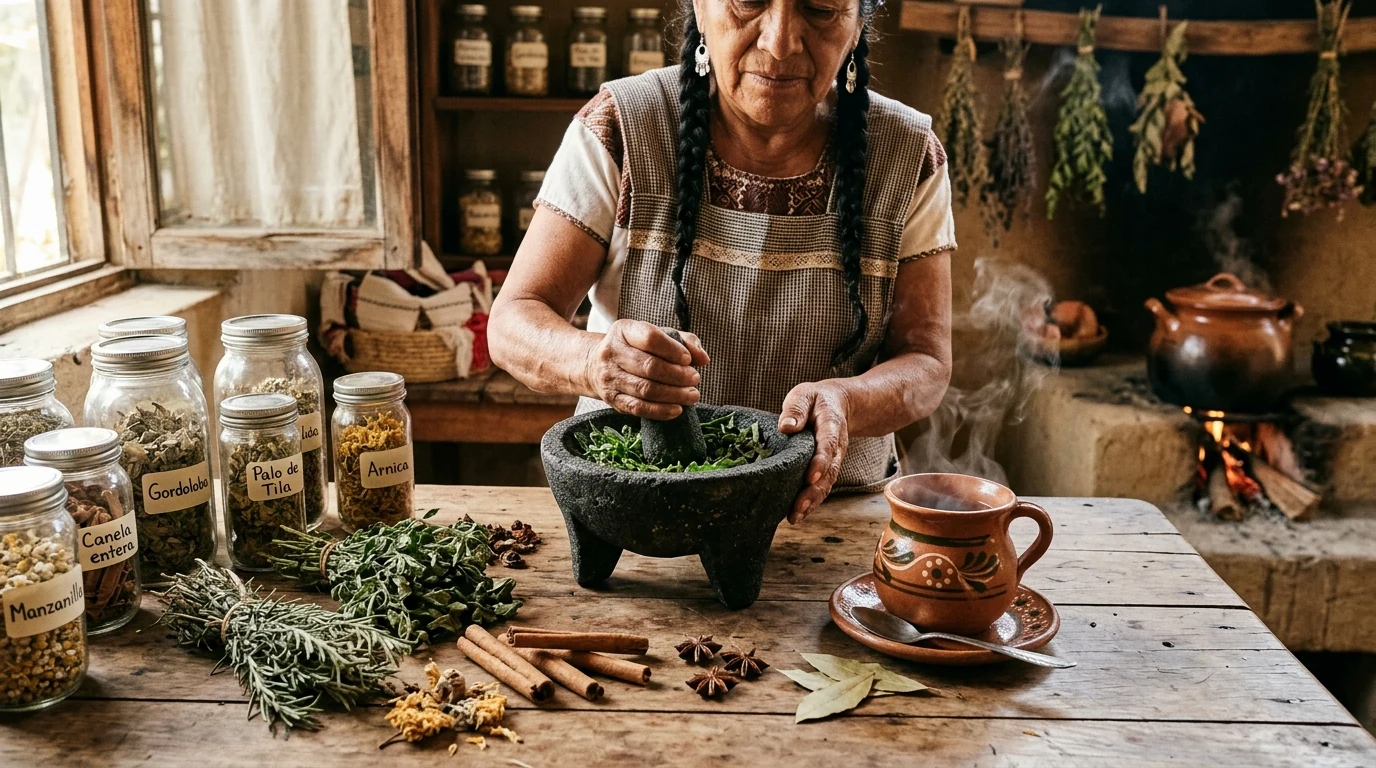
Navigating the vast landscape of Mexican herbalism requires a balance between ancestral wisdom and scientific rigor. For beginners, the choice of resource determines not only the quality of learning but also the safety of practice. While free PDFs offer an accessible entry point, they often lack peer-reviewed validation and comprehensive dosage tables, making them better suited for general inspiration than clinical application.
To build a reliable foundation, consider the following comparison of resources:
- Field Guides: Unbeatable for botanical identification. These are essential for recognizing native species in situ, though they often skim over deep cultural contexts.
- Academic Texts: The gold standard for pharmacology and safety. These provide precise dosage tables and contraindications, though they can be dense for the casual reader.
- Herbalism Apps: Excellent for quick reference and community sharing, but prone to identification errors. Always cross-reference app data with a printed manual.
- Cultural Compendiums: These offer the "soul" of Herbolaria, detailing the ritualistic and traditional use of plants within Mexican communities.
Pro Tip: The most successful practitioners combine a botanical field guide for identification with an academic text for safety and a cultural guide for holistic context.
¿Deseas profundizar en Cómo leer un libro de herbolaria mexicana: guía para principiantes?
Consulta la selección de libros oficiales, manuales de botica y hierbas auténticas disponibles en Amazon con envío prioritario:
Check Prices and Deals on Amazon ↗Frequently Asked Questions about Mexican Herbalism Books
What is herbolaria mexicana and how is it different from general herbalism?
Herbolaria mexicana is the study and practice of using medicinal plants within Mexico’s indigenous and mestizo traditions. It combines ethnobotanical knowledge, cultural healing practices, and local plant lore with modern phytotherapy, making it distinct from generic herbalism through its regional plants and historical context.
Is it safe to use plants from a herbolaria para principiantes book without consulting a doctor?
No. Beginners should always verify botanical identification, dosage, preparation methods, and contraindications. Consult a qualified healthcare professional before using any remedy, especially if you are pregnant, nursing, taking medication, or managing a chronic condition.