Cómo los libros de herbolaria mexicana documentan los rituales y ceremonias
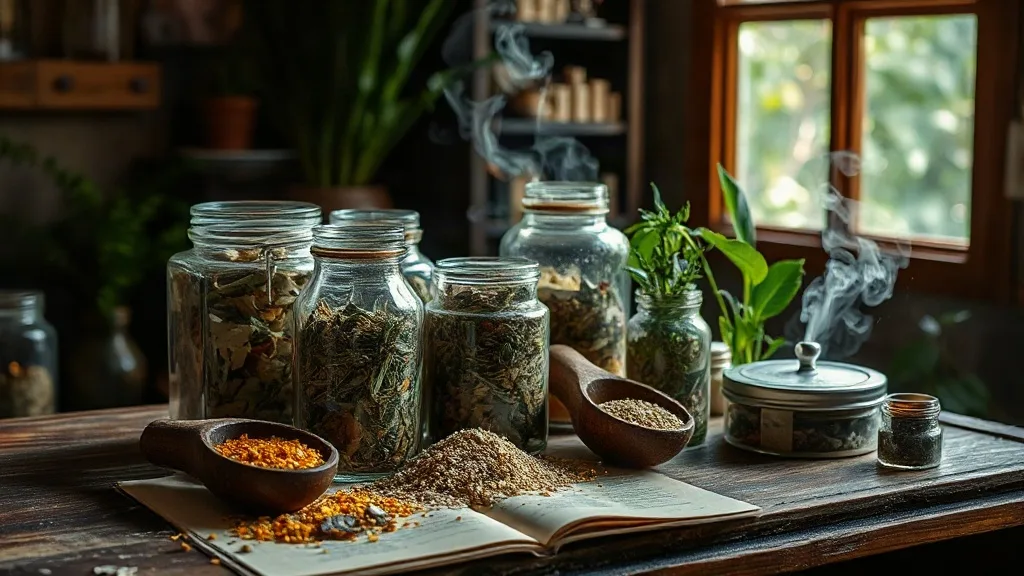

Key Summary: Mexican herbalism books serve as vital ethnobotanical archives, documenting the symbiotic link between plants and spirituality. They preserve ancestral knowledge by detailing specific botanical preparations, sacred timings, and ritualistic protocols, ensuring that traditional healing ceremonies remain culturally grounded and scientifically recognized for future generations.
What Is Mint Used For? A Quick Guide to Its Traditional and Modern Benefits
Mint has long been a cornerstone of both ancestral wisdom and contemporary science. In the rich archives of Mexican herbal literature, mint is not merely a plant but a bridge between ritual and remedy. Traditional texts document its use in cleansing ceremonies and healing rituals, where its aromatic properties are believed to purify the spirit while soothing the physical body.
From a phytotherapeutic perspective, mint is prized for its versatile therapeutic profile, offering targeted relief across three primary systems:
- Digestive Support: It is widely utilized to alleviate bloating, reduce spasms, and improve overall digestion by relaxing the gastrointestinal muscles.
- Respiratory Relief: Its natural menthol properties act as a decongestant, helping to clear airways and soothe irritated throats during seasonal ailments.
- Calming Effects: Modern applications highlight its ability to reduce stress and mental fatigue, promoting a state of focused relaxation.
"The synergy between Mexican traditional herbalism and modern phytotherapy transforms mint from a simple kitchen staple into a powerful tool for holistic wellness."
Mint as a Medicinal Plant: Identification, Active Compounds, and Safe Dosage
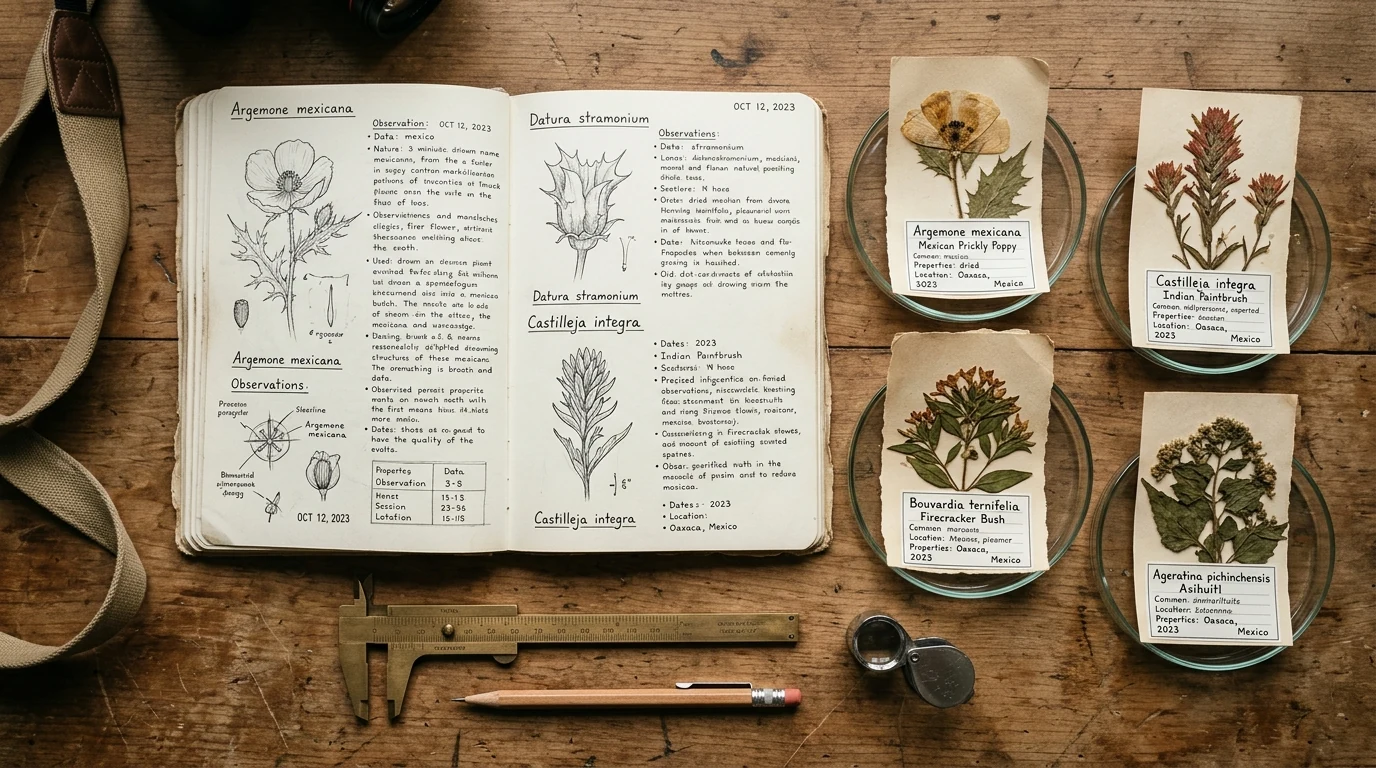
Within the rich tapestry of Mexican herbalism, mint (Mentha) is more than a culinary staple; it is a sacred botanical documented in ancestral texts as a bridge between physical healing and spiritual cleansing. Botanically, it is identified by its square stems, opposite ovate leaves, and a characteristic aromatic profile that signals its potency.
The therapeutic efficacy of mint is driven by its key active compounds, which are meticulously cataloged in traditional pharmacopeias:
- Menthol: A terpene alcohol providing analgesic, antispasmodic, and cooling properties.
- Menthone: A ketone that supports digestive function and antimicrobial action.
- Rosmarinic Acid: A powerful antioxidant and anti-inflammatory agent.
To ensure safe and effective use, dosage guidelines must be strictly followed. For therapeutic infusions, a standard dose consists of 1 to 2 grams of dried leaves per cup of boiling water, consumed up to three times daily. However, caution is advised for individuals with gastroesophageal reflux disease (GERD) or those taking sedative medications.
"In Mexican herbal traditions, the administration of mint is often intertwined with rituals of harmony, where the plant's fragrance is believed to clear the mind before the physical cure begins."
How to Prepare and Use Mint: Teas, Poultices, and Ritual Contexts
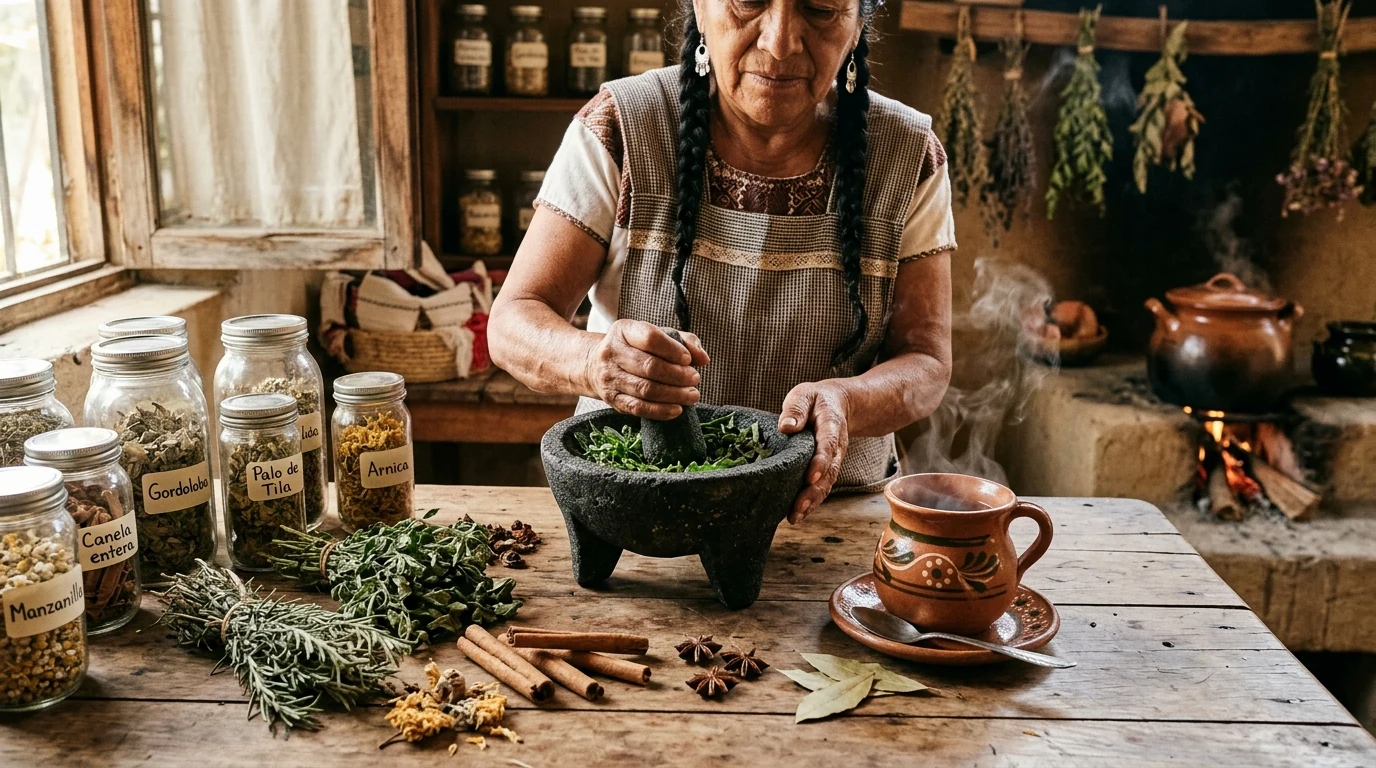
Mint is a versatile botanical staple, valued for both its therapeutic properties and its spiritual resonance. To harness its benefits, preparation depends on the intended application:
- Therapeutic Teas: Steep a handful of fresh leaves in boiling water for 5 to 10 minutes. This infusion is widely used to soothe digestive distress and clear respiratory pathways.
- Healing Poultices: Crush fresh mint leaves into a paste and apply them directly to the skin. This method is ideal for reducing inflammation or cooling minor burns.
Beyond physical healing, Mexican herbalism books document mint as a bridge between the material and spiritual worlds. In these traditional texts, mint is not merely a remedy but a ceremonial tool used to purify spaces and clear negative energies.
"In the heart of Mexican home remedies, mint transcends medicine; it is woven into rituals of cleansing, where its aromatic essence is believed to invite clarity and spiritual renewal into the household."
Whether simmered in a pot or scattered during a ritual, mint remains a cornerstone of ancestral knowledge, blending practical health with deep-rooted cultural symbolism.
¿Deseas profundizar en Cómo los libros de herbolaria mexicana documentan los rituales y ceremonias?
Consulta la selección de libros oficiales, manuales de botica y hierbas auténticas disponibles en Amazon con envío prioritario:
Check Prices and Deals on Amazon ↗Frequently Asked Questions about Mexican Herbalism Books
What is mint used for in Mexican herbalism?
Mint is traditionally used to support digestion, ease nausea, relieve headaches, calm nerves, and clear respiratory congestion; modern phytotherapy confirms its antispasmodic, carminative, and antimicrobial properties.
How is mint prepared and used as a medicinal plant?
The most common preparation is an infusion of fresh or dried leaves in hot water for 5–10 minutes; it can also be used in steam inhalations, poultices, or as an aromatic addition to baths and ritual preparations.