Cómo los libros de herbolaria mexicana preservan el conocimiento tradicional
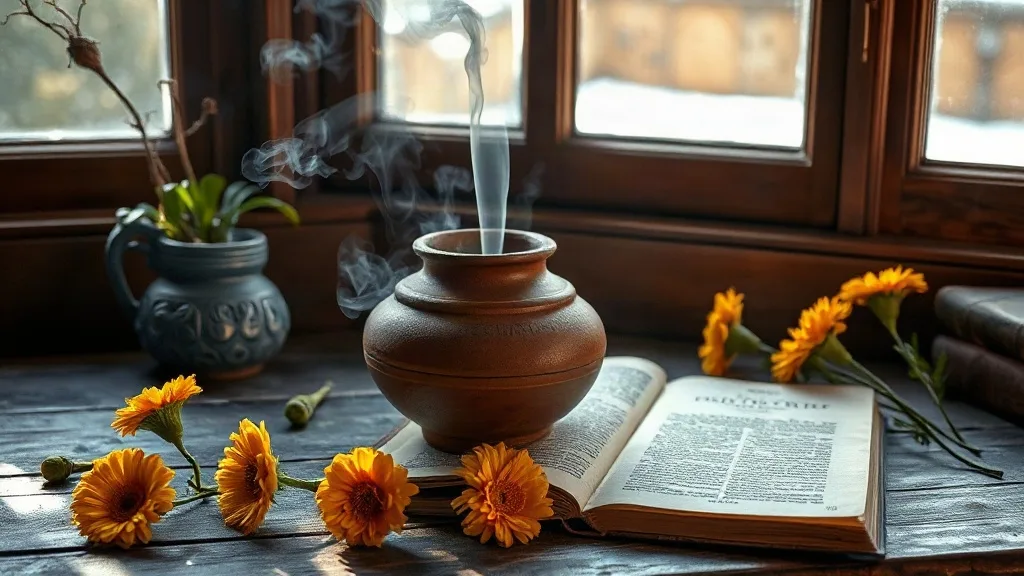

Key Summary: Mexican herbalism books act as vital archives, codifying ancestral oral wisdom into rigorous written records. By documenting indigenous botanical uses and spiritual practices, they prevent cultural erosion, ensuring that traditional healing knowledge remains accessible, validated, and preserved for future generations of practitioners and researchers.
Why Traditional Herbal Knowledge Needs Written Preservation
For centuries, Mexico’s profound understanding of botanical medicine has thrived as an oral tradition, passed down through generations of healers and elders. However, this intangible heritage is currently facing a critical tipping point. As urbanization accelerates and the gap between ancestral wisdom and younger generations widens, we risk losing a sophisticated pharmacopeia that cannot be replicated in a laboratory.
The necessity of transitioning this knowledge into written herbalism books stems from several urgent factors:
- Preventing Knowledge Erosion: Oral traditions are susceptible to memory loss and cultural dilution; written records ensure precision and permanence.
- Standardization of Safety: Documenting exact dosages and contraindications transforms anecdotal evidence into reliable, safe references.
- Cultural Sovereignty: Formalizing this knowledge protects indigenous intellectual property from exploitation and erasure.
"To write down the secrets of the earth is not to freeze them, but to ensure they survive the silence of forgotten voices."
By codifying traditional Mexican herbalism, we do more than archive the past; we create a bridge for future generations to access a sustainable, nature-based approach to health and wellness.
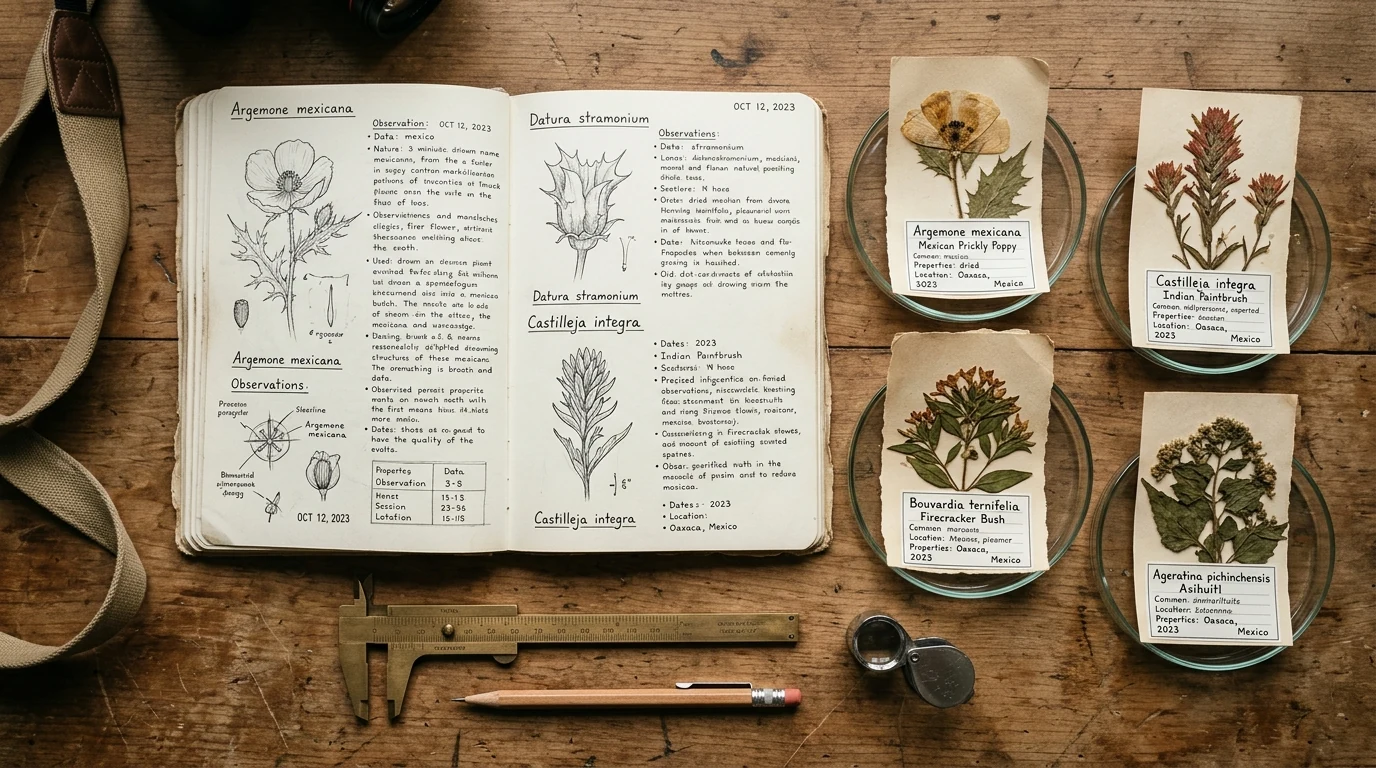
Key Medicinal Plants and Safe Practices Documented in Mexican Herbal Literature
Mexican herbal literature serves as a vital bridge between ancestral wisdom and modern wellness, meticulously documenting the synergy between nature and health. These texts do not merely list ingredients; they preserve a holistic philosophy of healing that emphasizes the correct identification, harvest, and preparation of botanical species to ensure maximum efficacy and safety.
Among the most revered remedies documented are those utilizing Damiana for vitality and Calendula for skin regeneration. To implement these traditional remedies safely, literature typically recommends the following step-by-step approach:
- Identification: Verify the plant species through botanical illustrations to avoid toxic look-alikes.
- Sustainable Harvesting: Collect leaves or roots during specific lunar phases or times of day to preserve the plant's active compounds.
- Controlled Preparation: Follow precise ratios for infusions or tinctures—such as simmering roots longer than leaves—to avoid overheating volatile oils.
- Dosage Regulation: Adhere to the traditional guidelines to prevent contraindications with pharmaceutical treatments.
"The preservation of herbal codices ensures that the sacred dialogue between the Mexican soil and human health remains an accessible science for future generations."
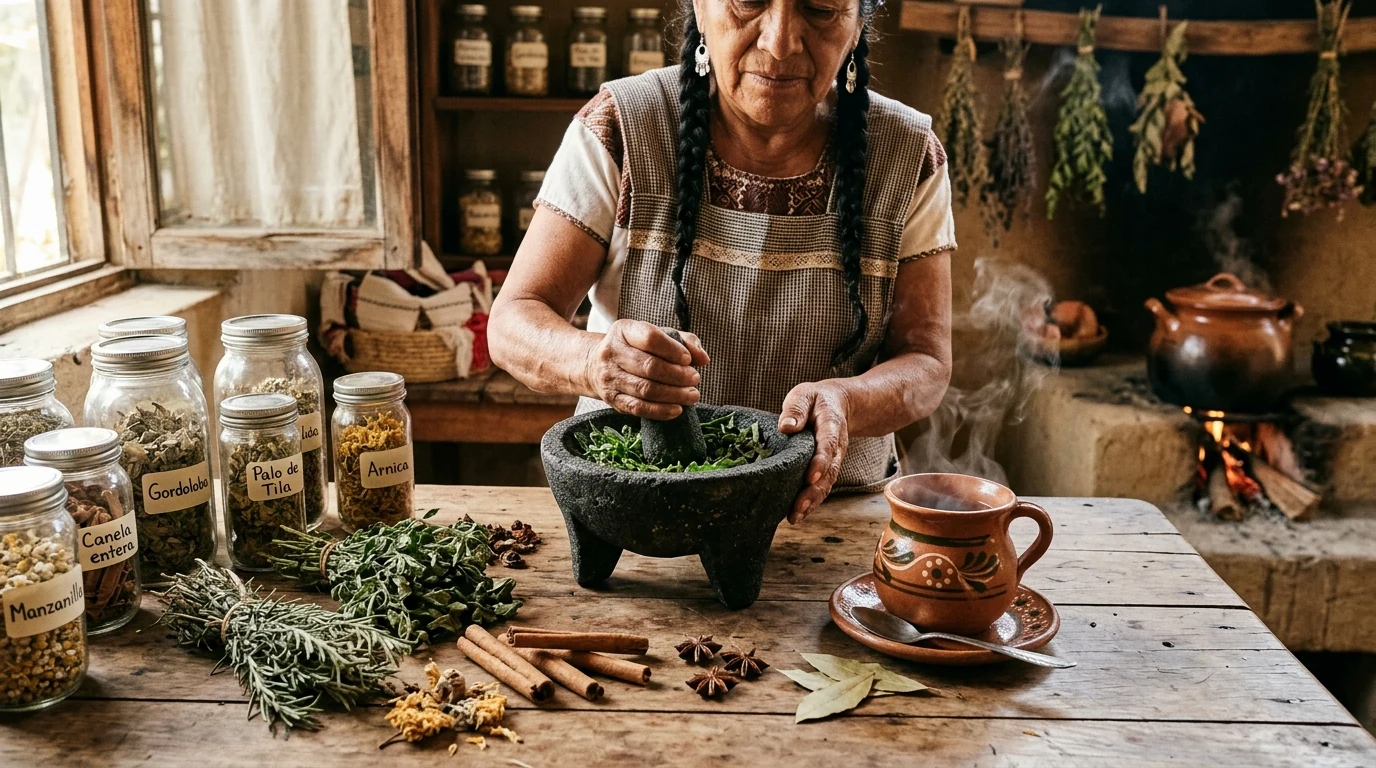
Comparing Classic and Modern Mexican Herbal Books: What to Read Next
The evolution of Mexican herbalism is mirrored in its literature, shifting from guarded ancestral manuscripts to accessible, science-backed guides. Classic texts serve as the spiritual bedrock, preserving the "curanderismo" tradition and the deep, intuitive connection between the land and the community. These works are essential for those seeking the cultural soul and the historical context of traditional healing.
In contrast, modern publications bridge the gap between folklore and pharmacology. Today’s herbal books prioritize botanical precision, safety dosages, and sustainable harvesting practices, making them ideal for the contemporary practitioner who values empirical evidence alongside tradition.
Depending on your goals, here are the recommended paths for your next read:
- For the Historian: Seek out archival compilations and classic ethnobotanical studies that document indigenous wisdom before the industrial era.
- For the Practitioner: Opt for modern field guides that combine high-resolution photography with current toxicological data.
- For the Holistic Seeker: Look for integrative texts that blend ancestral rituals with modern wellness frameworks.
"To read a Mexican herbal is not just to study plants, but to decode a living map of cultural resilience and natural intelligence."
¿Deseas profundizar en Cómo los libros de herbolaria mexicana preservan el conocimiento tradicional?
Consulta la selección de libros oficiales, manuales de botica y hierbas auténticas disponibles en Amazon con envío prioritario:
Check Prices and Deals on Amazon ↗Frequently Asked Questions about Mexican Herbalism Books
Are Mexican herbal books a reliable source for using medicinal plants?
Yes, when they are written by ethnobotanists, traditional healers, or pharmacognosy experts and include botanical identification, dosage, contraindications, and preparation methods. They preserve empirical knowledge while helping readers avoid unsafe use.
How do I choose the best Mexican herbal book for learning about traditional remedies?
Look for books that combine scientific names with local names, explain active compounds, cite traditional and clinical evidence, and provide safety guidelines. Prefer updated editions that bridge ancestral wisdom with modern phytotherapy.