Cómo organizar tu biblioteca de herbolaria mexicana
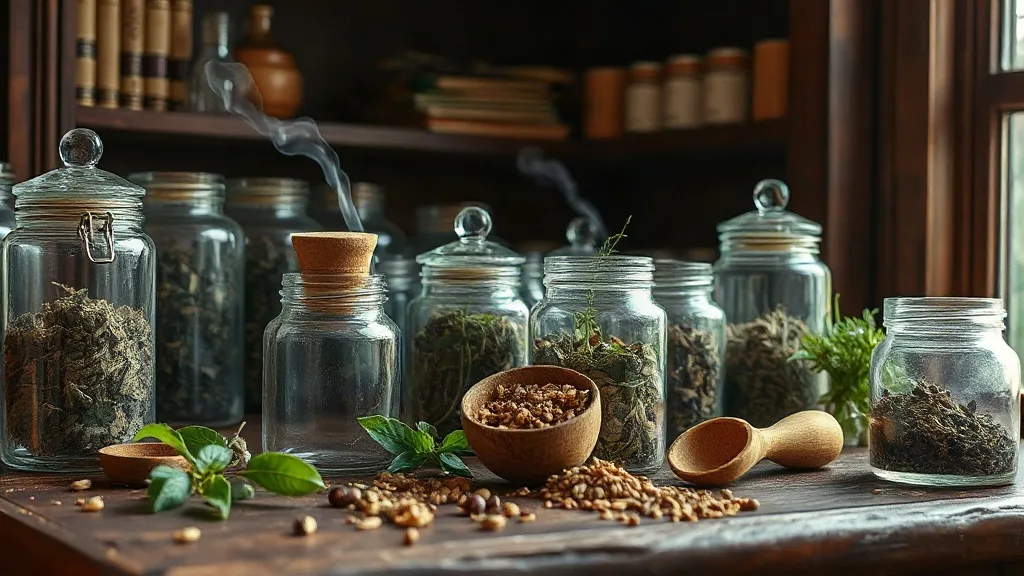

Key Summary: Organize your Mexican herbal library by combining botanical classification with therapeutic use. Categorize texts by plant families or medicinal properties, ensuring rigorous cross-referencing between traditional indigenous knowledge and modern pharmacology. This structured, accessible approach preserves cultural heritage while facilitating efficient, evidence-based research for every practitioner.
Why an Organized Herbal Library Matters
For the dedicated student of Mexican botany, knowledge is rarely found in a single volume. Instead, it exists as a fragmented mosaic: ancient wisdom tucked away in colonial codices, practical observations in field guides, and rigorous data within modern pharmacology texts. Without a deliberate system of organization, this wealth of information becomes a labyrinth, increasing the risk of contradictions or critical omissions.
A structured herbal library is more than a matter of tidiness; it is a safeguard for practice. When data is streamlined, the practitioner can swiftly cross-reference traditional uses with contemporary safety profiles, ensuring that the application of plants is both effective and secure. Moreover, a curated archive honors the lineage of the knowledge, transforming a random collection of notes into a respectful repository of cultural heritage.
- Precision: Eliminates confusion between similar species and regional naming variations.
- Safety: Facilitates quick access to contraindications and dosage guidelines.
- Continuity: Preserves the bridge between ancestral Mexican traditions and scientific validation.
Ultimately, an organized library transforms fragmented data into actionable wisdom, allowing the healer to move from hesitation to confidence.
A Step-by-Step System to Catalog and Classify Your Collection
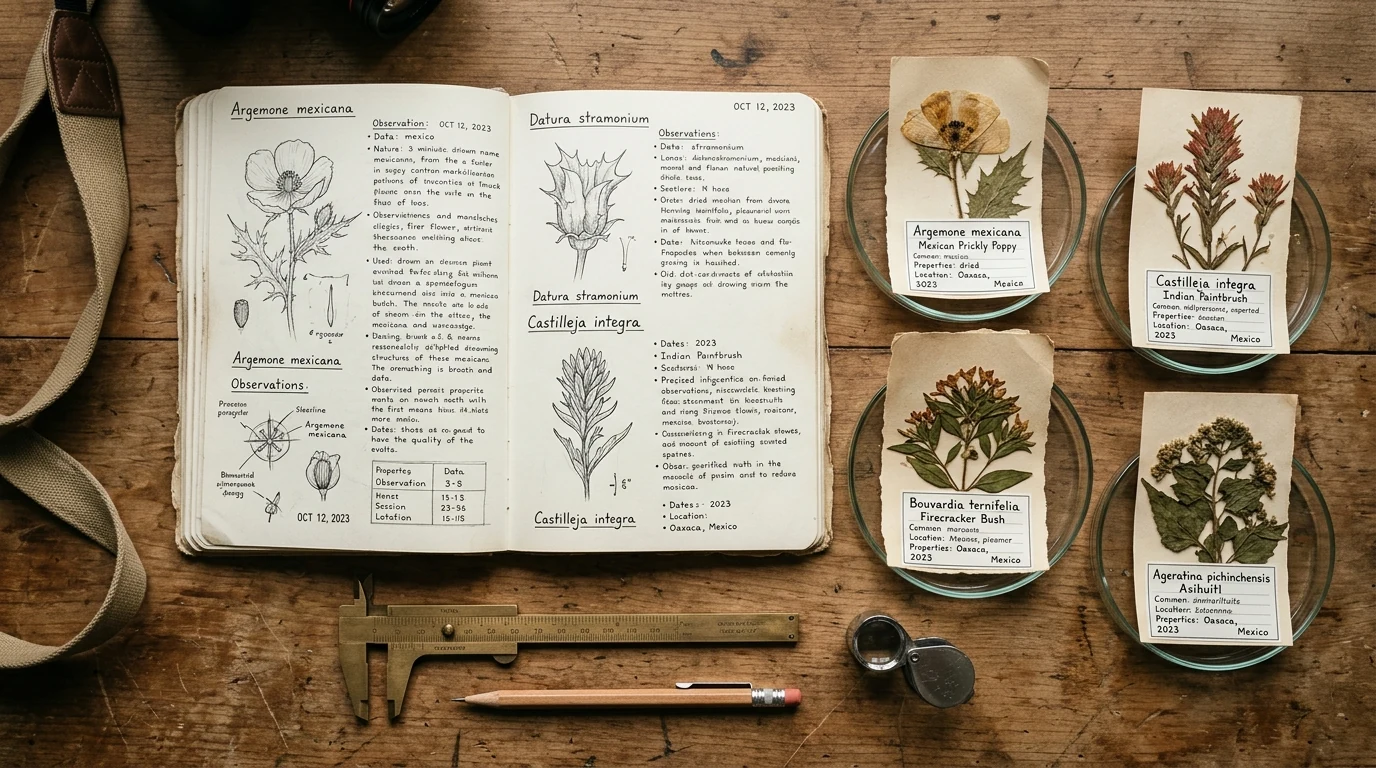
Transforming a scattered pile of texts into a professional herbal library requires a structured taxonomy. To ensure your knowledge is accessible and scalable, implement a repeatable classification system that prioritizes both botanical accuracy and clinical utility.
Begin by sorting your collection through these four primary filters:
- Region: Group texts by geographical origin (e.g., Central Highlands, Coastal regions) to understand ecological contexts.
- Botanical Family: Organize by family (e.g., Asteraceae, Lamiaceae) to identify shared chemical constituents.
- Therapeutic Use: Classify by system—such as respiratory, digestive, or nervous—for rapid clinical retrieval.
- Source Type: Distinguish between ancestral oral traditions, pharmacopeias, and modern peer-reviewed studies.
To elevate your catalog from a simple list to a functional tool, integrate a detailed indexing layer. Use color-coded tabs or a digital spreadsheet to cross-reference dosage notes and safety warnings, ensuring contraindications are visible at a glance. Finally, index your recipes by preparation method (infusions, tinctures, or poultices), allowing you to transition seamlessly from theoretical research to practical application in the apothecary.
Recommended Books, Digital Tools, and Storage Options Compared
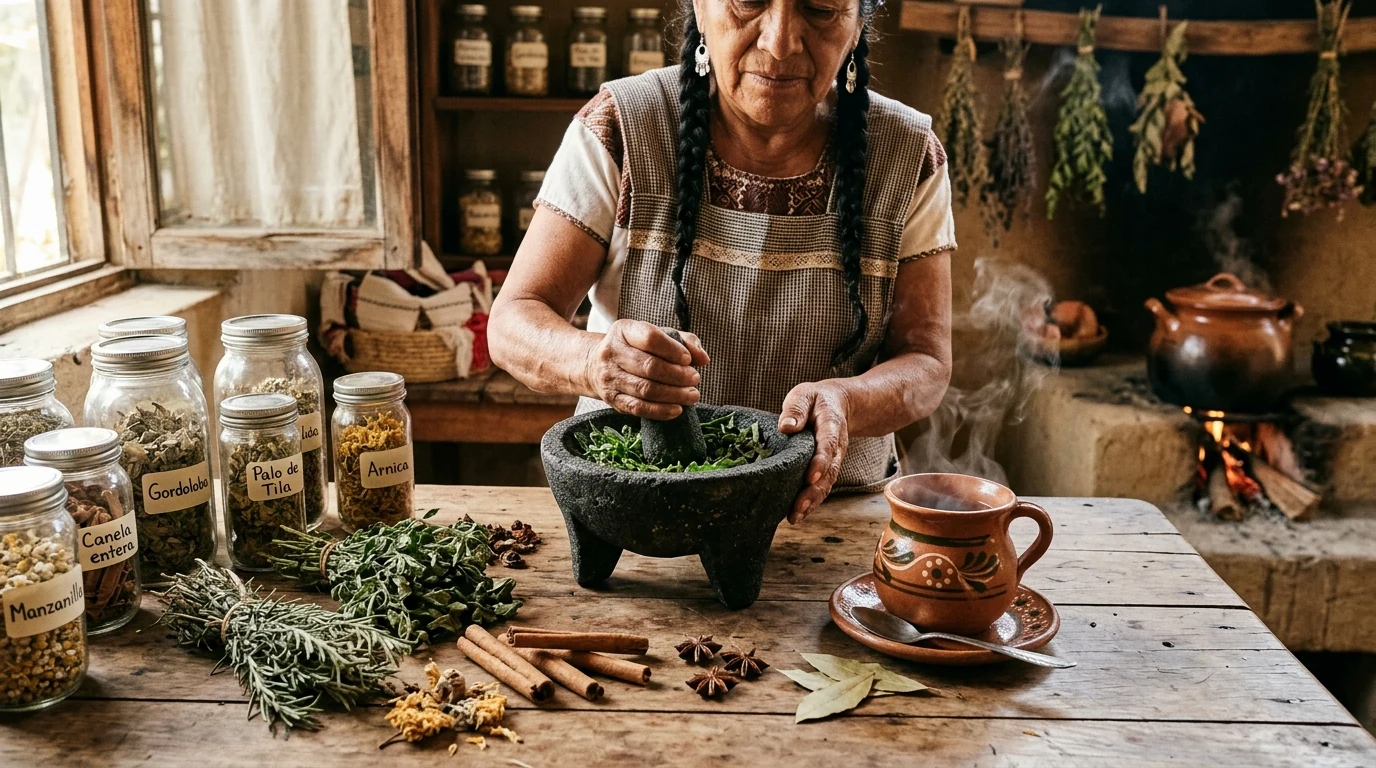
Building a professional herbal library requires a strategic balance between tactile reference and digital efficiency. For those prioritizing botanical accuracy, comprehensive print pharmacopeias and regional Mexican flora guides remain the gold standard, offering irreplaceable visual detail and permanence that screens cannot replicate.
However, for active practitioners, digital integration is essential for scalability. We compare the most effective systems below:
- Digital Databases: While specialized apps offer quick searches, a customized Google Sheet or Notion workspace provides superior flexibility for tracking personal dosages, harvest dates, and supplier contacts.
- Archival Storage: To prevent degradation of physical specimens and handwritten notes, avoid PVC folders. Instead, opt for acid-free archival sleeves and linen-bound binders to ensure your knowledge survives for generations.
- Hybrid Access: The most efficient libraries utilize a "QR-link" system, where physical folders contain codes linking directly to digital research papers or high-resolution images.
Pro Tip: Prioritize "deep" print references for foundational study and "fast" digital tools for daily clinical application.
¿Deseas profundizar en Cómo organizar tu biblioteca de herbolaria mexicana?
Consulta la selección de libros oficiales, manuales de botica y hierbas auténticas disponibles en Amazon con envío prioritario:
Check Prices and Deals on Amazon ↗Frequently Asked Questions about Mexican Herbalism Books
What is the best way to categorize books on Mexican herbalism?
Group them by a primary system that fits your needs—most readers prefer a mix of botanical family, Mexican region, and therapeutic use—then add a simple index or spreadsheet with title, author, key plants, and safety notes.
How can I preserve old or fragile herbal manuscripts and recipe books?
Store them upright in a cool, dry, dark place away from direct sunlight and humidity; use acid-free sleeves and boxes, handle with clean hands, and digitize pages to reduce physical wear.