Comparativa: atlas ilustrado vs guía de texto sobre plantas medicinales
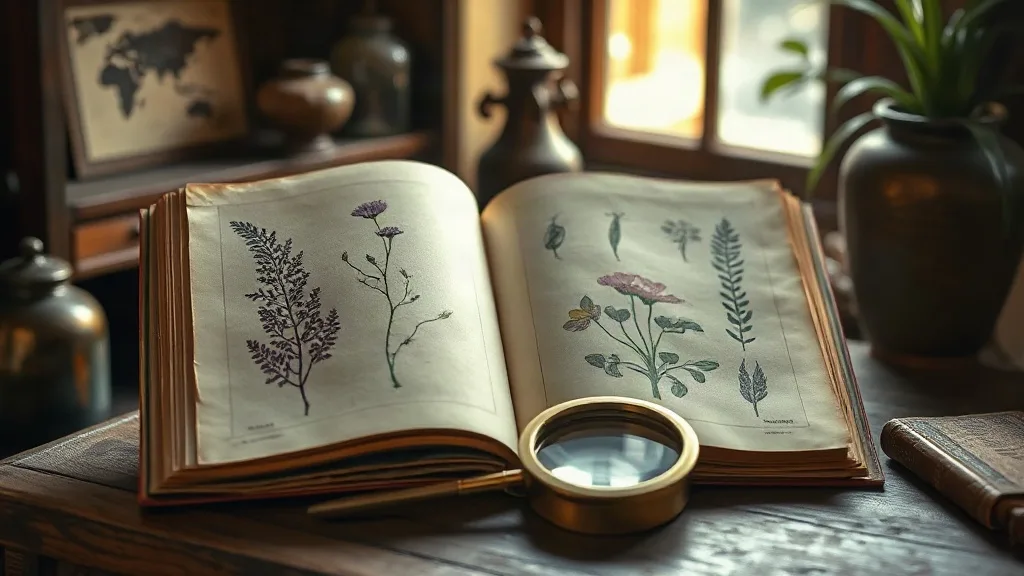

Key Summary: Choose the illustrated atlas for rapid visual identification and botanical accuracy. Opt for the text guide for deep pharmacological insights and traditional Mexican usage. For a rigorous yet accessible approach, the atlas ensures safety through visuals, while the guide provides the essential scientific and cultural context.
What Is the Atlas of Traditional Mexican Medicinal Plants and Why Does the Format Matter?
For those exploring the vast pharmacopeia of Mexico, the primary objective is twofold: accurate identification and safe therapeutic application. Using the wrong species can be ineffective or, in some cases, dangerous. This is why the structural format of the information is not just a preference, but a necessity for safety and efficacy.
While both formats are complementary, they serve distinct cognitive functions in the learning process:
- The Illustrated Atlas: Focuses on visual precision. Through botanical illustrations and high-resolution imagery, it allows the reader to recognize leaf patterns, floral structures, and growth habits, minimizing the risk of misidentification in the field.
- The Text Guide: Provides the intellectual depth. It delivers the critical "how-to," including precise dosages, contraindications, preparation methods, and the rich cultural heritage that informs traditional use.
The synergy between visual recognition and detailed documentation transforms a simple list of plants into a professional tool for holistic health and botanical preservation.
By combining the "what" (visuals) with the "how" (text), the Atlas ensures that traditional knowledge is transmitted with scientific rigor and practical clarity.
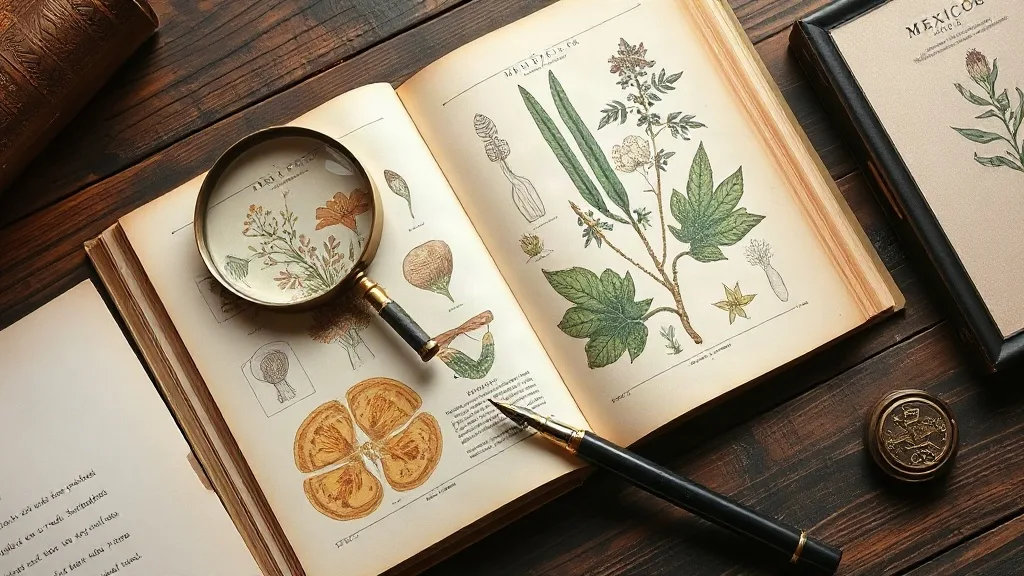
Key Medicinal Plants and How to Use Each Book Step by Step
Mastering herbal medicine requires a synergy between visual precision and technical knowledge. To practice safely and effectively, you must integrate the strengths of both the illustrated atlas and the comprehensive text guide through a structured workflow.
Follow these steps to transform raw botanical data into actionable health solutions:
- Step 1: Visual Identification (The Atlas). Begin with the atlas to ensure absolute accuracy. Use the high-resolution imagery to match the plant’s leaf patterns, flower structure, and native habitat. This prevents dangerous misidentifications in the field.
- Step 2: Technical Validation (The Text Guide). Once identified, transition to the text guide. Here, you will find the critical "how-to": precise preparation methods (infusions, tinctures, or poultices), recommended dosages, and essential contraindications to avoid adverse reactions.
- Step 3: Integrated Application. Combine both resources to cross-reference the plant's potency with its physical characteristics, ensuring a responsible and professional approach to herbalism.
Pro Tip: Never rely on a single source. Use the atlas for what it is and the guide for how it works to guarantee a safe, therapeutic outcome.
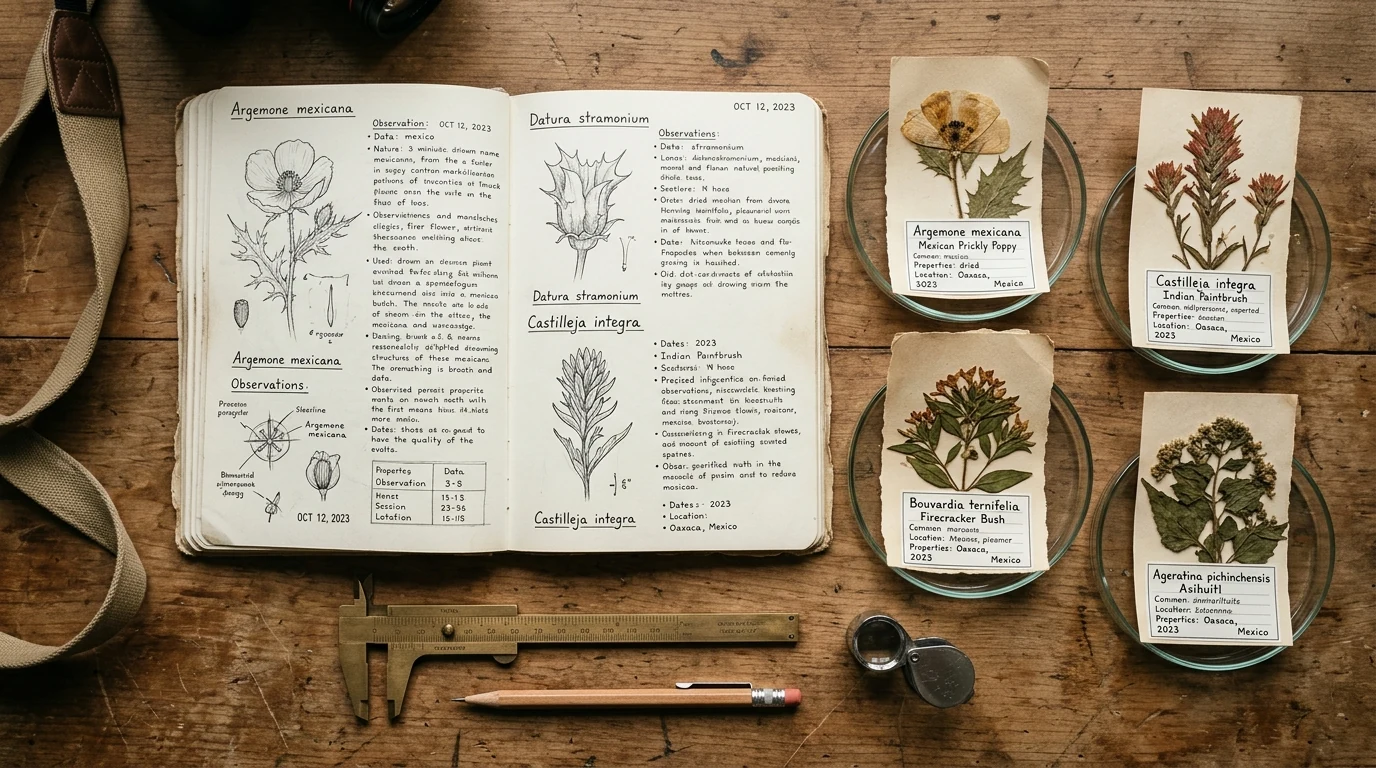
Illustrated Atlas vs. Text Guide: A Practical Comparison and Recommended Resources
Choosing between an illustrated atlas and a text-based guide depends on your immediate objective. For beginners and field herbalists, an atlas is indispensable; its visual taxonomy allows for rapid species identification and prevents dangerous misidentifications in the wild. Conversely, students and practitioners often prefer text guides, which prioritize pharmacological depth, dosage, and contraindications over imagery.
- Illustrated Atlas: Best for morphology, habitat recognition, and visual learning.
- Text Guide: Best for therapeutic protocols, chemical constituents, and clinical application.
For a comprehensive library, we recommend The Botanical Dictionary for visual precision and Medical Herbalism by David Hoffmann for rigorous academic study. To ensure accuracy and legality, avoid fragmented PDF mirrors. Instead, access digital versions through Google Books, JSTOR, or official publisher portals, which provide verified, high-resolution editions.
Pro Tip: The most effective approach is a hybrid strategy—use an atlas for the "what" (identification) and a text guide for the "how" (application).
¿Deseas profundizar en Comparativa: atlas ilustrado vs guía de texto sobre plantas medicinales?
Consulta la selección de libros oficiales, manuales de botica y hierbas auténticas disponibles en Amazon con envío prioritario:
Check Prices and Deals on Amazon ↗Frequently Asked Questions about Mexican Herbalism Books
What is the main difference between an illustrated atlas and a text guide on Mexican medicinal plants?
An illustrated atlas focuses on botanical drawings and visual identification, making it ideal for recognizing plants in the field. A text guide emphasizes written descriptions, traditional uses, dosage, preparation methods, and safety precautions.
Is there a PDF version of the Atlas of Traditional Mexican Medicinal Plants?
Digital and PDF editions are sometimes available through official publishers, university libraries, and authorized academic platforms. Always download from legitimate sources to ensure the content is complete, accurate, and up to date.