Comparativa: libros de herbolaria mexicana antiguos vs nuevos
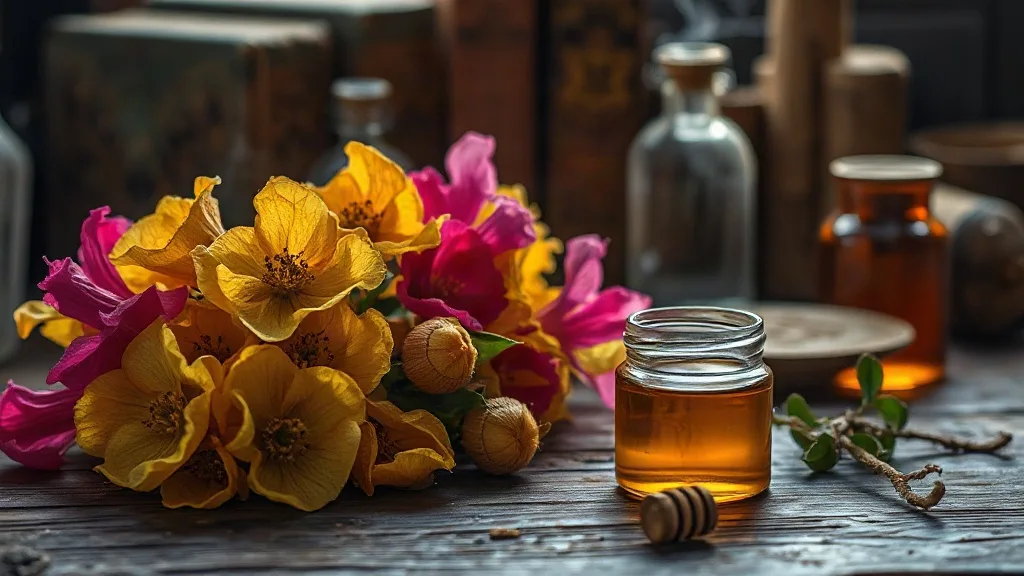

Key Summary: Ancient Mexican herbalism books offer invaluable ancestral wisdom and cultural depth, while modern guides provide essential scientific validation and safety standards. For a complete approach, combine the spiritual heritage of old texts with the rigorous, evidence-based precision of contemporary botany to ensure both authenticity and safety.
Why Compare Old and New Mexican Herbalism Books?
For anyone diving into the rich tapestry of Mexican herbalism, a common dilemma arises: should you rely on the weathered pages of ancestral texts or the polished precision of modern guides? The answer lies in understanding that these resources do not compete, but rather complement one another, serving distinct educational and practical purposes.
Classic texts are indispensable cultural archives. They capture the "soul" of the practice, preserving ancestral wisdom, spiritual contexts, and traditional applications that are often lost in clinical translations. However, they may lack the rigorous scrutiny of contemporary science.
In contrast, modern herbalism books provide the essential safeguards required for today’s practitioner. They offer:
- Precise Botanical Identification: High-resolution imagery and updated nomenclature to prevent dangerous misidentification.
- Evidence-Based Safety: Current data on contraindications, drug interactions, and toxicity.
- Standardized Dosages: Precise measurements that replace vague traditional approximations with reliable guidelines.
Ultimately, bridging the gap between the old and the new allows the reader to honor the cultural heritage of Mexico while ensuring that every remedy is applied with scientific accuracy and safety.
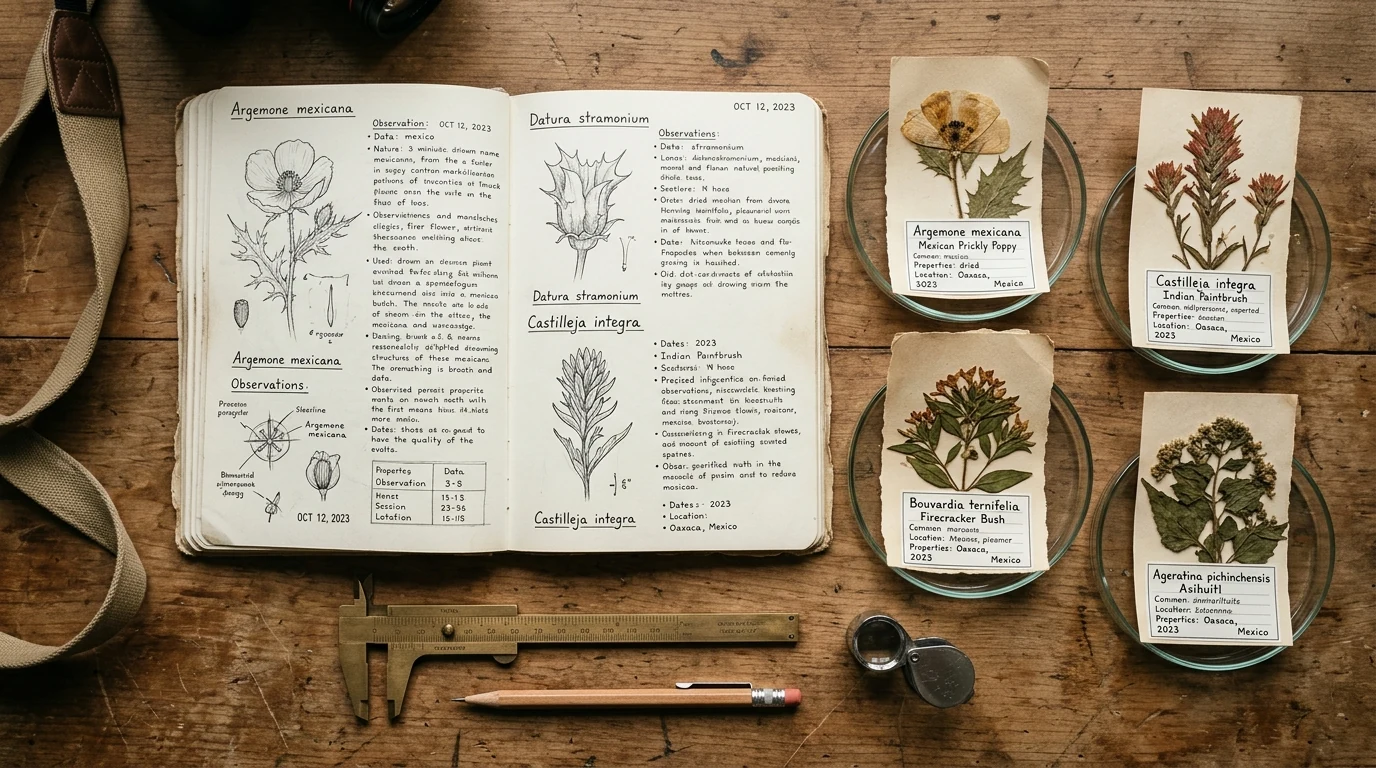
Key Differences Between Classic and Modern Mexican Herbal Guides
The evolution of Mexican herbalism is mirrored in its literature, shifting from ancestral repositories of oral tradition to rigorous botanical manuals. While classic guides are invaluable for preserving indigenous knowledge and cultural heritage, modern publications prioritize clinical safety and empirical validation.
- Botanical Accuracy & References: Classic texts often rely on regional common names, which can lead to ambiguity. Modern guides utilize binomial Latin nomenclature and integrate peer-reviewed scientific references to ensure precise plant identification.
- Preparation & Dosage: Older manuals focus on traditional infusions and poultices based on intuitive practice. In contrast, contemporary books provide standardized dosage guidance and precise extraction methods to ensure consistency.
- Safety & Contraindications: A critical divergence lies in risk management. Modern guides include detailed safety warnings, drug-herb interaction charts, and specific contraindications—elements largely absent in legacy texts.
The transition from classic to modern guides represents a synthesis: the soul of ancestral wisdom meeting the rigor of modern pharmacology to ensure that the healing power of Mexico's flora is utilized both effectively and safely.
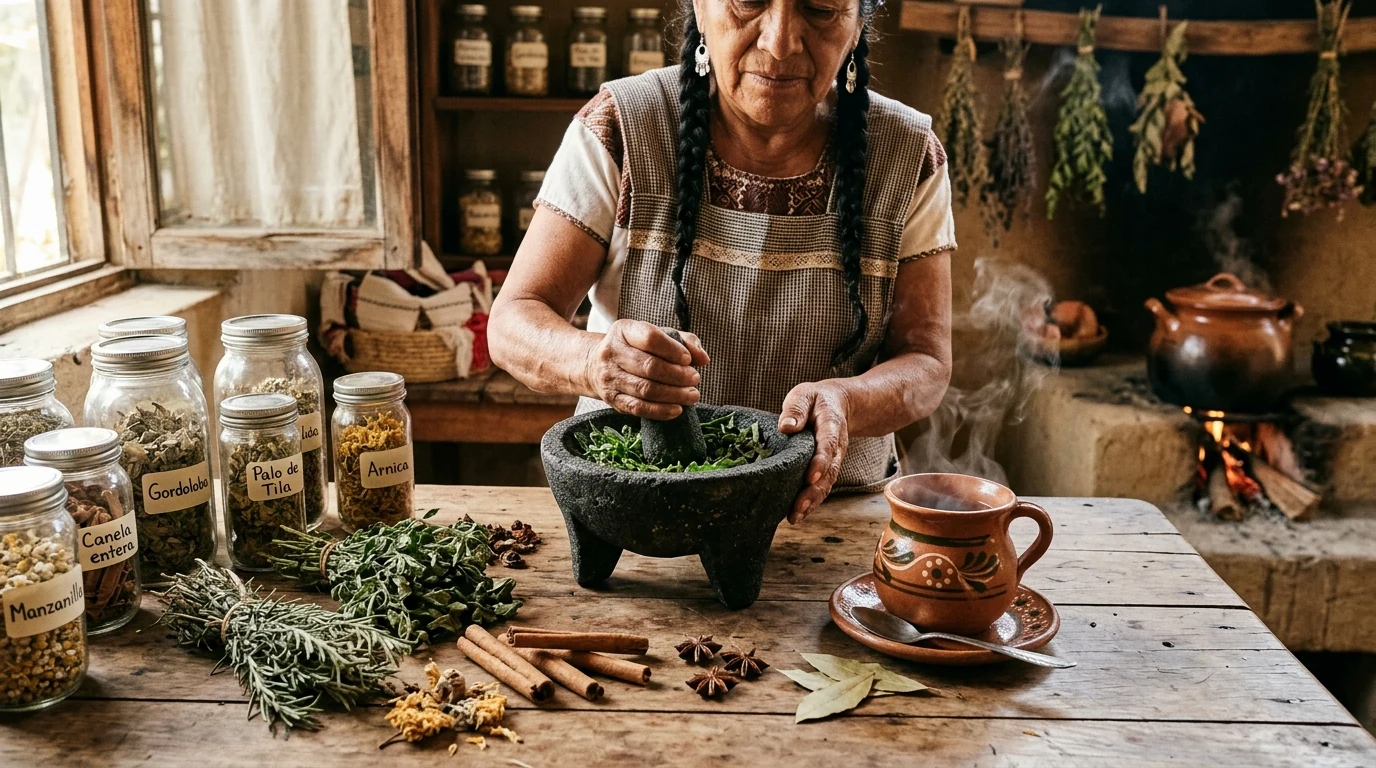
Top Recommended Old and New Mexican Herbalism Books
Navigating the vast landscape of Mexican herbalism requires a balanced approach between ancestral wisdom and modern scientific rigor. To build a safe and effective practice, we recommend a curated blend of historical landmarks and contemporary evidence-based guides.
- Historical Works (e.g., The Badianus Manuscript): Best for historians and practitioners seeking the spiritual and cultural roots of Aztec medicine. These texts cover indigenous classifications and traditional applications but often lack standardized dosages.
- Modern Titles (e.g., Evidence-based Pharmacopeias): Ideal for those prioritizing safety and clinical validation. These books focus on active compounds, contraindications, and precise measurements backed by current research.
Pro Tip for Safe Integration: Use historical texts to discover traditional uses and "forgotten" plants, but always cross-reference them with modern manuals to verify toxicity and drug interactions.
By synthesizing the intuitive depth of old-world herbalism with the precision of new-age botany, you create a holistic toolkit that honors tradition while ensuring pharmacological safety. Whether you are a seasoned herbalist or a curious beginner, this dual-source strategy is the gold standard for exploring Mexico's rich botanical heritage.
¿Deseas profundizar en Comparativa: libros de herbolaria mexicana antiguos vs nuevos?
Consulta la selección de libros oficiales, manuales de botica y hierbas auténticas disponibles en Amazon con envío prioritario:
Check Prices and Deals on Amazon ↗Frequently Asked Questions about Mexican Herbalism Books
Are old Mexican herbalism books still reliable today?
They remain invaluable for ethnobotanical history, traditional uses, and cultural context, but botanical names, dosages, and safety advice should always be cross-checked with modern scientific sources and a qualified herbalist or healthcare professional.
What makes a modern Mexican herbalism book trustworthy?
Look for authors with credentials in ethnobotany, pharmacy, or clinical herbalism; clear botanical nomenclature; cited research; precise dosage instructions; contraindications; and transparent sourcing or preparation methods.