Comparativa: libros de herbolaria mexicana con bibliografía vs sin bibliografía


Key Summary: While guides without citations offer quick, intuitive tips, books with rigorous bibliography are essential for safety and authenticity. For reliable herbalism, prioritize sourced texts; they transform anecdotal folklore into verifiable knowledge, ensuring you can cross-reference botanical data and dosages with scientific and traditional academic standards.
Why Bibliography Matters in Mexican Herbalism Books
Mexican herbalism is a profound tapestry of ancestral wisdom and botanical science. However, a critical divide exists in the literature: books that rely on anecdotal claims versus those grounded in rigorous documentation. When a guide lacks a bibliography, it transforms traditional knowledge into mere opinion, leaving the reader to trust the author's word without a safety net of verification.
The presence of a detailed bibliography is not just an academic formality; it is a matter of safety and legitimacy. The difference is stark:
- Books without bibliography: Often present "secret" remedies or generalized advice, making it impossible to cross-reference dosages or identify potential contraindications.
- Books with bibliography: Bridge the gap between ethnobotany and pharmacology, allowing practitioners to trace a plant's use back to indigenous codices or modern clinical trials.
"In the realm of natural medicine, a source is the difference between a calculated therapeutic choice and a dangerous guess."
Ultimately, a bibliography transforms a simple manual into a reliable tool, ensuring that the rich heritage of Mexican flora is preserved with integrity, transparency, and scientific accountability.
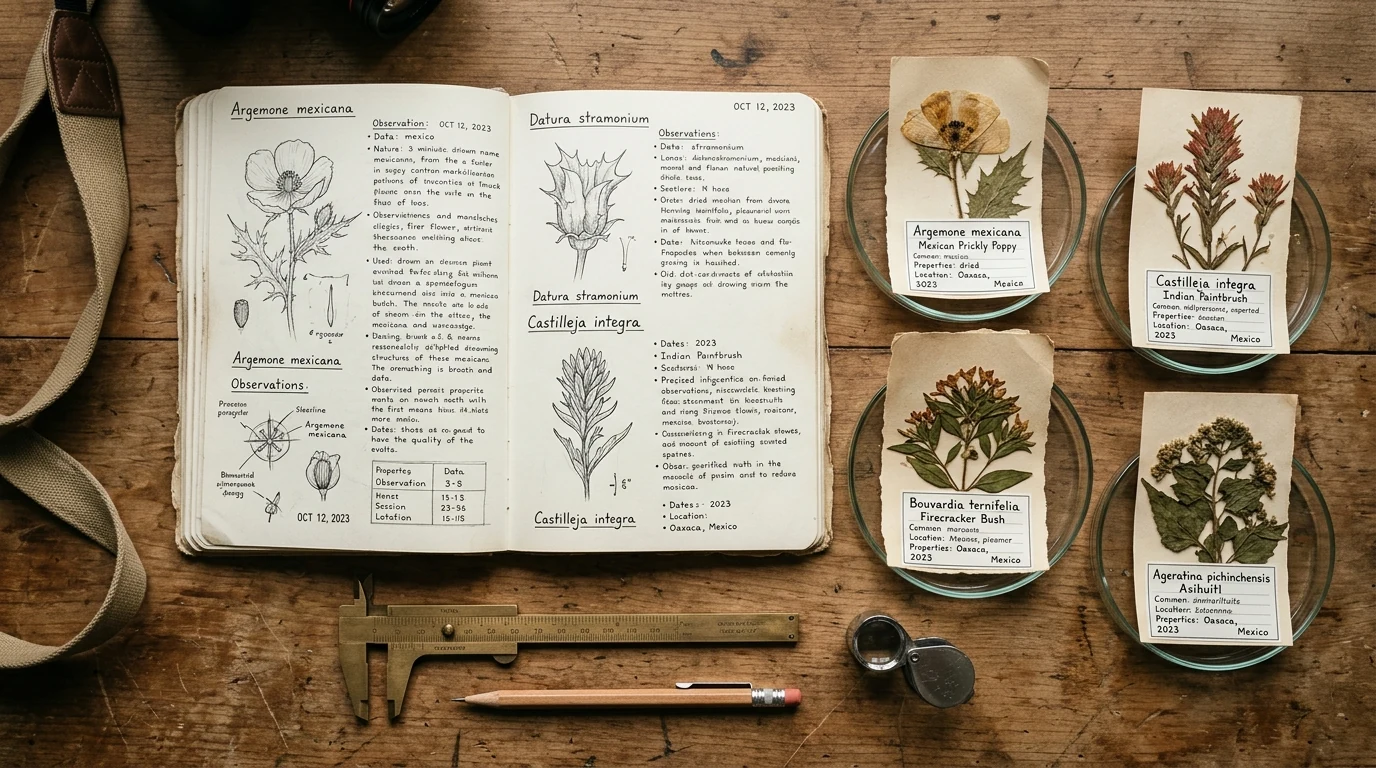
How to Evaluate a Mexican Herbalism Book Step by Step
When exploring the vast world of Mexican botanical medicine, the difference between a reliable guide and a risky compilation lies in its academic rigor. To ensure you are applying safe and effective remedies, follow this evaluation process:
- Check for a Formal Bibliography: This is the gold standard. A book with a detailed bibliography allows you to trace a remedy back to ethnobotanical studies or pharmacological records, ensuring the plant's identity and dosage are verified.
- Analyze the Source of Knowledge: Distinguish between "ancestral wisdom" and "documented evidence." While oral tradition is the heart of Mexican herbalism, books without citations often lack critical safety warnings regarding toxicity or drug interactions.
- Verify Botanical Nomenclature: High-quality texts include both the common name (e.g., Damiana) and the scientific Latin name (Turnera diffusa). Without this, you risk using the wrong species.
- Cross-Reference Recommendations: Compare the book's key remedies with established pharmacopeias. If a recommendation appears only in a non-referenced text, treat it with caution.
Pro Tip: Always prioritize books that cite the Mexican Pharmacopeia or recognized botanical gardens to guarantee the therapeutic integrity of the plants.
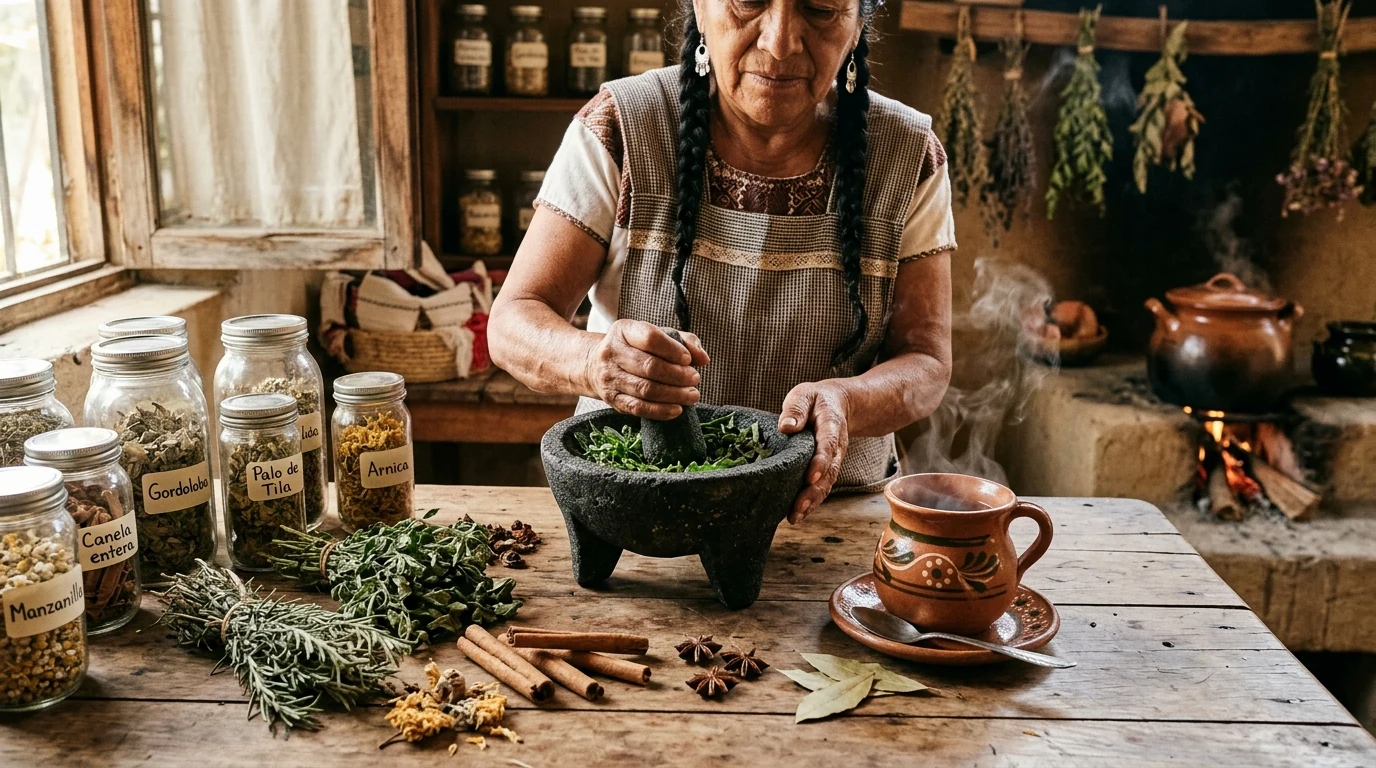
With vs. Without Bibliography: A Side-by-Side Comparison
When selecting a guide on Mexican herbalism, the presence of a detailed bibliography is not merely a formal detail; it is the dividing line between anecdotal folklore and verifiable botanical science. The choice depends entirely on your objective as a reader.
Books without a bibliography often prioritize oral tradition and intuitive healing. They are excellent for cultural immersion and quick reference, offering a "grandmother's wisdom" approach. However, they lack a verification trail, making it difficult to cross-reference dosages or safety warnings.
Books with a bibliography provide a rigorous academic framework. They allow the reader to trace a plant's efficacy back to ethnobotanical studies or pharmacological journals, ensuring a higher standard of safety and precision.
To help you decide, consider these recommended resources based on your needs:
- For Academic Rigor: Seek titles authored by botanists or pharmacologists that cite sources like the UNAM or CONABIO.
- For Cultural Exploration: Opt for community-led guides that focus on regional traditions and ancestral storytelling.
"In herbalism, a source is a safety net. A bibliography transforms a suggestion into a documented practice."
¿Deseas profundizar en Comparativa: libros de herbolaria mexicana con bibliografía vs sin bibliografía?
Consulta la selección de libros oficiales, manuales de botica y hierbas auténticas disponibles en Amazon con envío prioritario:
Check Prices and Deals on Amazon ↗Frequently Asked Questions about Mexican Herbalism Books
Are Mexican herbalism books without a bibliography safe to use?
They can offer cultural insights and traditional recipes, but without cited sources it is harder to verify botanical identification, dosage, and safety. For medicinal use, prefer books that include a bibliography and cross-check recommendations with a healthcare professional.
How can I verify the bibliography in a Mexican herbalism book?
Look for peer-reviewed journals, recognized ethnobotanical or phytotherapy references, and academic publishers. Check that citations match real publications, include authors and dates, and support the specific claims about plants, dosages, and contraindications.