Comparativa: libros de herbolaria mexicana con glosario vs sin glosario
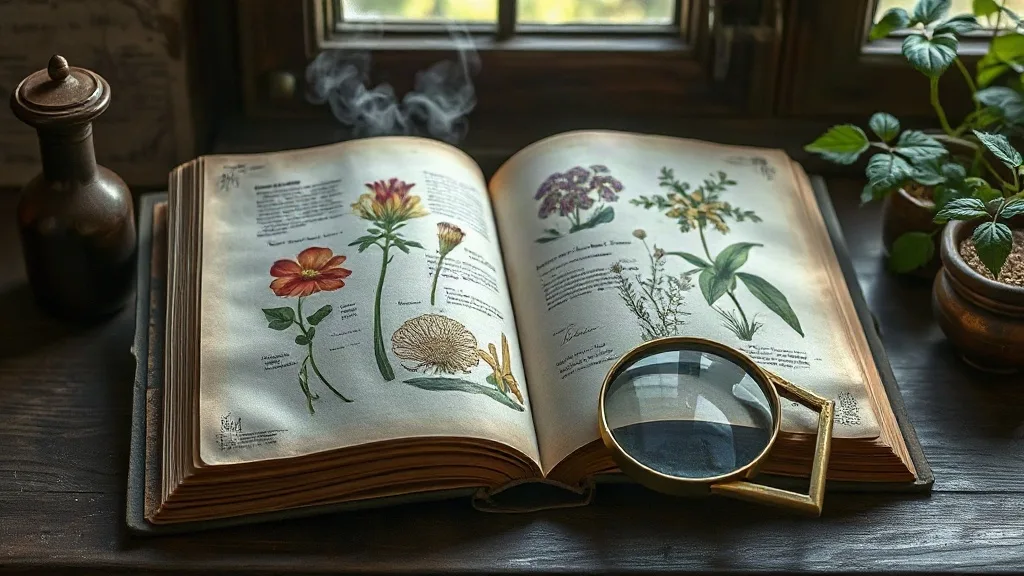

Key Summary: Choose a glossary-led guide for precision and safety; it’s your essential map for identifying species correctly. Books without one offer a more intuitive, narrative flow but risk ambiguity. For rigorous practice, the glossary is non-negotiable—it transforms a simple reading experience into a reliable botanical tool.
Why the Glossary Is the Make-or-Break Feature in Mexican Herbalism Books
Mexican herbalism is a rich tapestry of ancestral knowledge, but for the modern reader, it can be a linguistic minefield. A high-quality herbal guide is not merely a list of remedies; it is a translation of complex cultural data. Without a comprehensive glossary, the reader is forced to navigate a confusing intersection of Nahuatl nomenclature, botanical Latin, regional Spanish dialects, and cryptic dosage abbreviations.
The difference between a book with a glossary and one without is the difference between empowerment and frustration. When a reader encounters a term like "Tonalac" or a specific preparation method like "infusión concentrada," the lack of immediate clarity creates cognitive friction. This friction leads to three critical risks:
- Misidentification: Confusing a medicinal species with a toxic look-alike due to vague regional naming.
- Dosage Errors: Misinterpreting shorthand measurements, potentially compromising safety.
- Reader Attrition: The cognitive load becomes too high, leading the reader to abandon the practice entirely.
Ultimately, a glossary is not an "extra" feature—it is the essential bridge that transforms a dense academic text into a safe, actionable, and accessible tool for healing.
How to Compare Books Side by Side: 5 Practical Criteria
Choosing between a botanical guide with a comprehensive glossary and one without depends on your goals. To determine which format serves you best, evaluate your options using this five-point checklist:
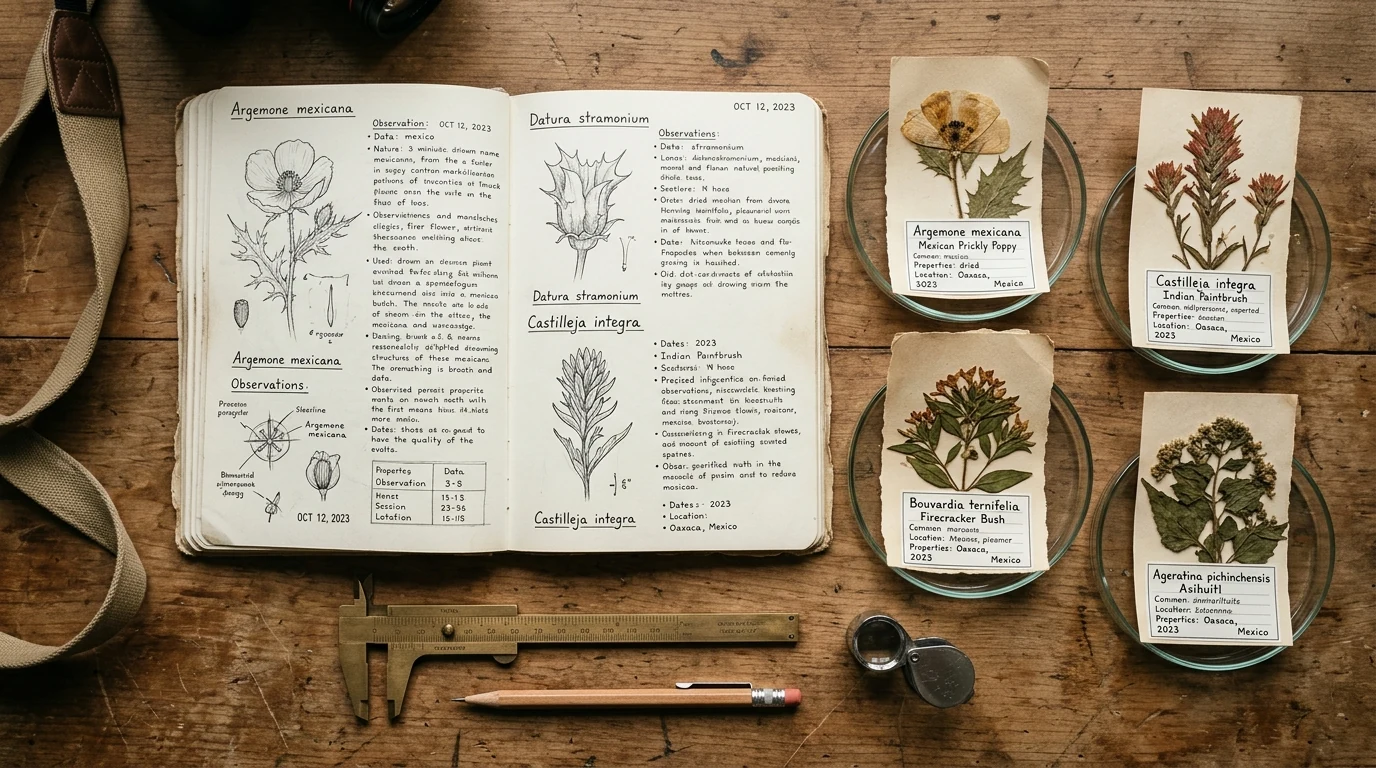
- Botanical Identification Accuracy: Check if the book relies solely on common names or provides scientific nomenclature. Glossaried formats excel here, offering a centralized index to cross-reference synonyms and avoid dangerous misidentifications.
- Terminology Decoding: Look for complex terms like "astringent" or "adaptogen." A glossary transforms a dense academic text into an accessible tool for beginners.
- Dosage and Safety Clarity: Assess how contraindications are presented. While non-glossaried books may integrate warnings into the text, a glossary ensures safety terms are standardized and easy to locate quickly.
- Cultural and Ethnobotanical Context: Evaluate the depth of traditional Mexican knowledge. Non-glossaried narratives often flow better for storytelling, whereas glossaries preserve the precise meaning of indigenous terms.
- Usability for Your Level: Consider your expertise. Experts may prefer the streamlined flow of non-glossaried texts, but students will find a glossary indispensable for building a professional vocabulary.
Best Picks for Each Reader: Glossaried Field Guides vs Scholarly Monographs
Navigating the vast landscape of Mexican herbalism requires choosing a resource that aligns with your specific goals. Whether you are identifying plants in the wild or synthesizing clinical data, the presence of a comprehensive glossary often defines the book's utility.
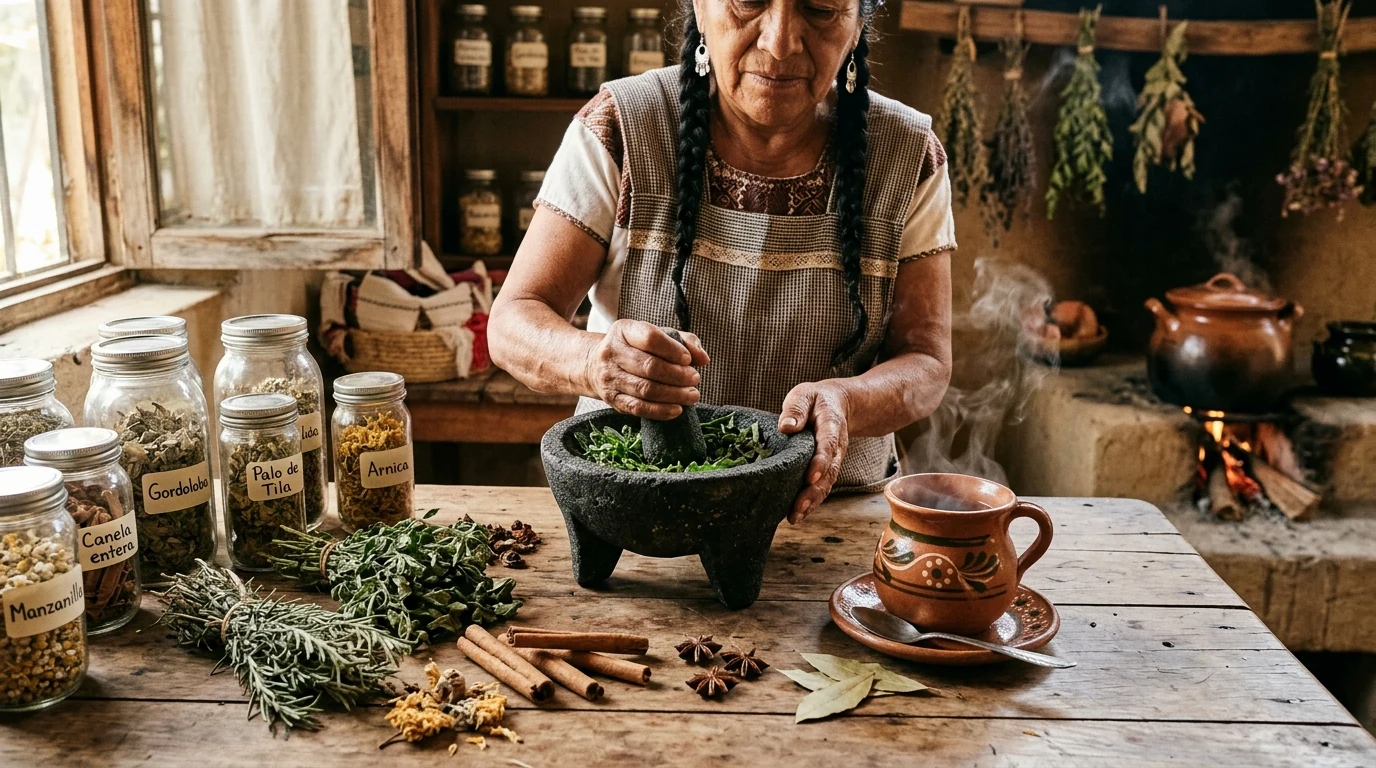
- Field Guides (With Glossaries): Ideal for beginners and field herbalists. These works prioritize accessibility, offering quick-reference glossaries to bridge the gap between common names and botanical terminology. They are essential for those who need immediate, on-the-ground identification.
- Scholarly Monographs (Without Glossaries): Tailored for clinicians and academic researchers. These texts forgo basic definitions in favor of deep-dive pharmacological analyses and ethnobotanical citations. They assume a baseline of professional knowledge, focusing on therapeutic efficacy over basic nomenclature.
Pro Tip: If you are transitioning from a hobbyist to a practitioner, start with a glossaried guide to build your vocabulary before investing in dense, academic monographs.
By matching the format to your expertise, you ensure a seamless learning curve—moving from the intuitive recognition of the field to the rigorous precision of the clinic.
¿Deseas profundizar en Comparativa: libros de herbolaria mexicana con glosario vs sin glosario?
Consulta la selección de libros oficiales, manuales de botica y hierbas auténticas disponibles en Amazon con envío prioritario:
Check Prices and Deals on Amazon ↗Frequently Asked Questions about Mexican Herbalism Books
Do I really need a glossary if I already speak Spanish fluently?
Yes. Mexican herbalism texts often mix Nahuatl and other Indigenous names, botanical Latin, regional slang, and obsolete Spanish medical terms. A good glossary decodes these specialized terms and reduces the risk of misidentifying a plant or misreading a dosage.
Are non-glossaried Mexican herbalism books ever the better choice?
They can be. Advanced practitioners, botanists, or researchers may prefer dense monographs that assume prior knowledge and offer deeper pharmacological or ethnobotanical detail. For beginners or self-taught herbalists, however, a glossary is usually essential for safe, independent learning.