Comparativa: libros de herbolaria mexicana con mapas de distribución vs sin mapas
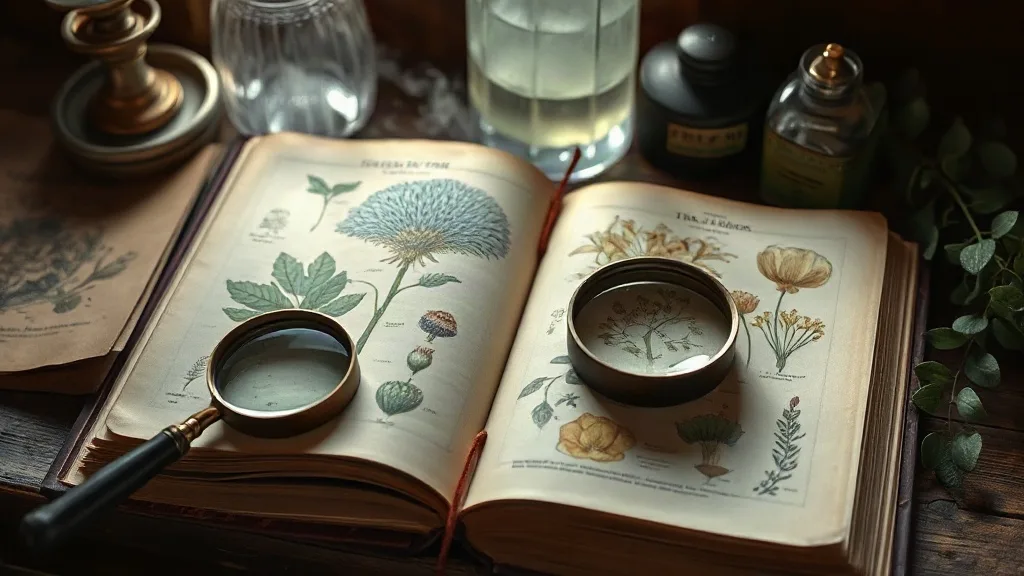
Key Summary: While text-only guides offer great lore, books with distribution maps are indispensable. They transform theoretical knowledge into precise field tools, ensuring you identify species accurately within their native habitats. For rigorous, safe, and scientific foraging, choose the mapped editions—they are the gold standard for any herbalist.
Why distribution maps change the way you use a Mexican herbalism book
For the aspiring herbalist, the gap between theoretical knowledge and practical application is often a matter of geography. While a comprehensive text can describe the virtues of a plant in detail, without distribution maps, that information remains abstract. Maps transform a reference book into a functional field guide by grounding ethnobotanical wisdom in physical reality.
The practical necessity of these visual tools cannot be overstated. Distribution maps allow readers to:
- Verify Regional Availability: Instantly determine if a specific species is native to their state or if they are searching for a plant that doesn't grow in their climate.
- Prevent Misidentification: Reduce the risk of confusing a local species with a distant relative by understanding the specific habitat and range of the target plant.
- Contextualize Foraging: Bridge the gap between ancient tradition and local ecology, ensuring that harvesting is both sustainable and geographically accurate.
Ultimately, a book without maps tells you what a plant is, but a book with maps tells you where it lives. This spatial context is what empowers a practitioner to move confidently from the page into the wild.
Key features to compare: mapped vs. unmapped herbal guides
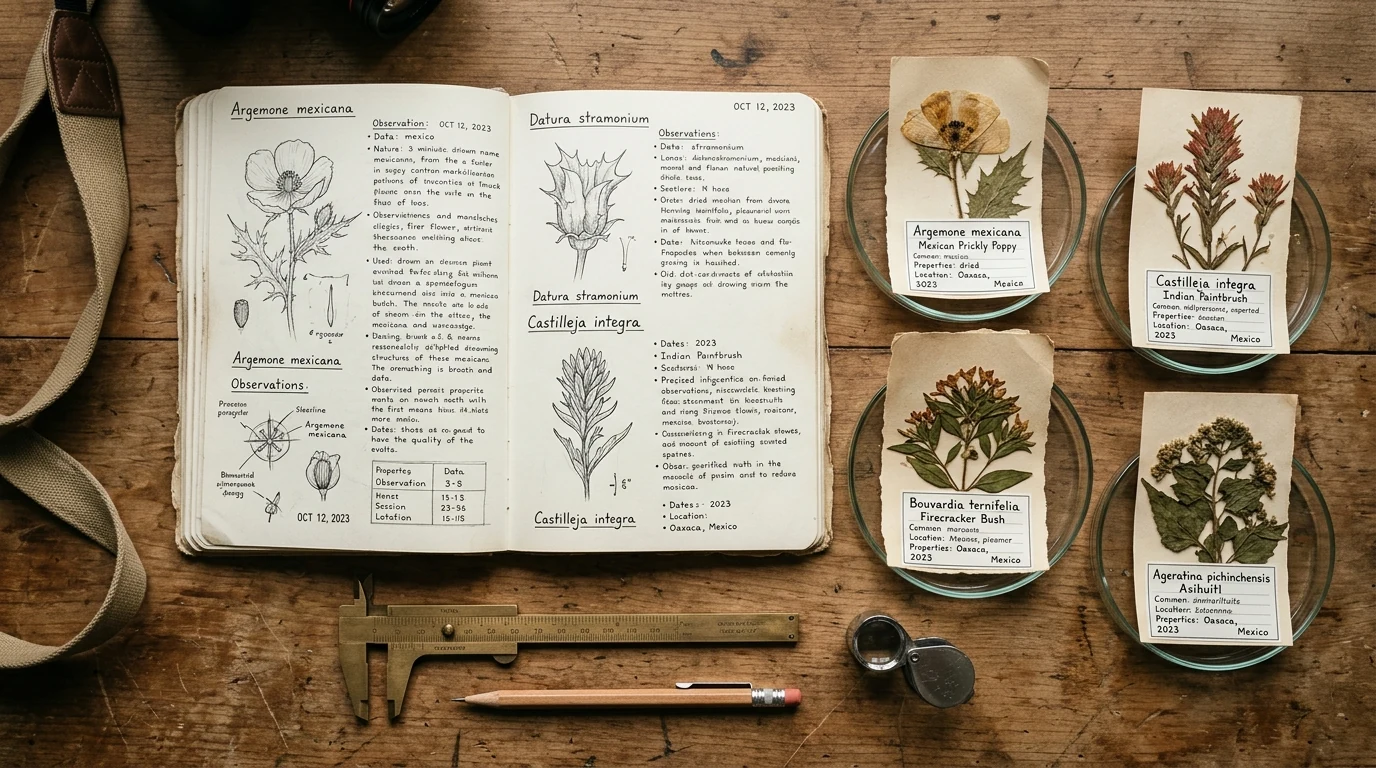
When selecting a reference for Mexican herbalism, the presence of distribution maps fundamentally changes the utility of the text. While both formats offer botanical knowledge, their practical application differs based on the following critical criteria:
- Botanical Identification & Accuracy: Unmapped guides often rely on general descriptions. In contrast, mapped guides provide ecological context, allowing users to cross-reference a plant's presence with specific altitudes and soil types, reducing misidentification risks.
- Geographic Coverage: Mapped guides offer a spatial blueprint of biodiversity across Mexico's diverse regions, whereas unmapped versions provide a global or generic overview that may ignore local endemic variations.
- Dosage and Safety Data: Both typically cover pharmacology, but mapped guides often link potency or chemical composition to the specific region where the plant was harvested.
- Illustrations & Visuals: Unmapped guides frequently prioritize artistic botanical plates; mapped guides integrate these with cartographic data for a holistic view.
- Field Use vs. Desk Reference: Unmapped guides serve as excellent theoretical desk references. Mapped guides are indispensable for field research, enabling precise foraging and sustainable harvesting based on actual habitat locations.
Top recommendations: when to choose a mapped guide and when a text-only book is enough
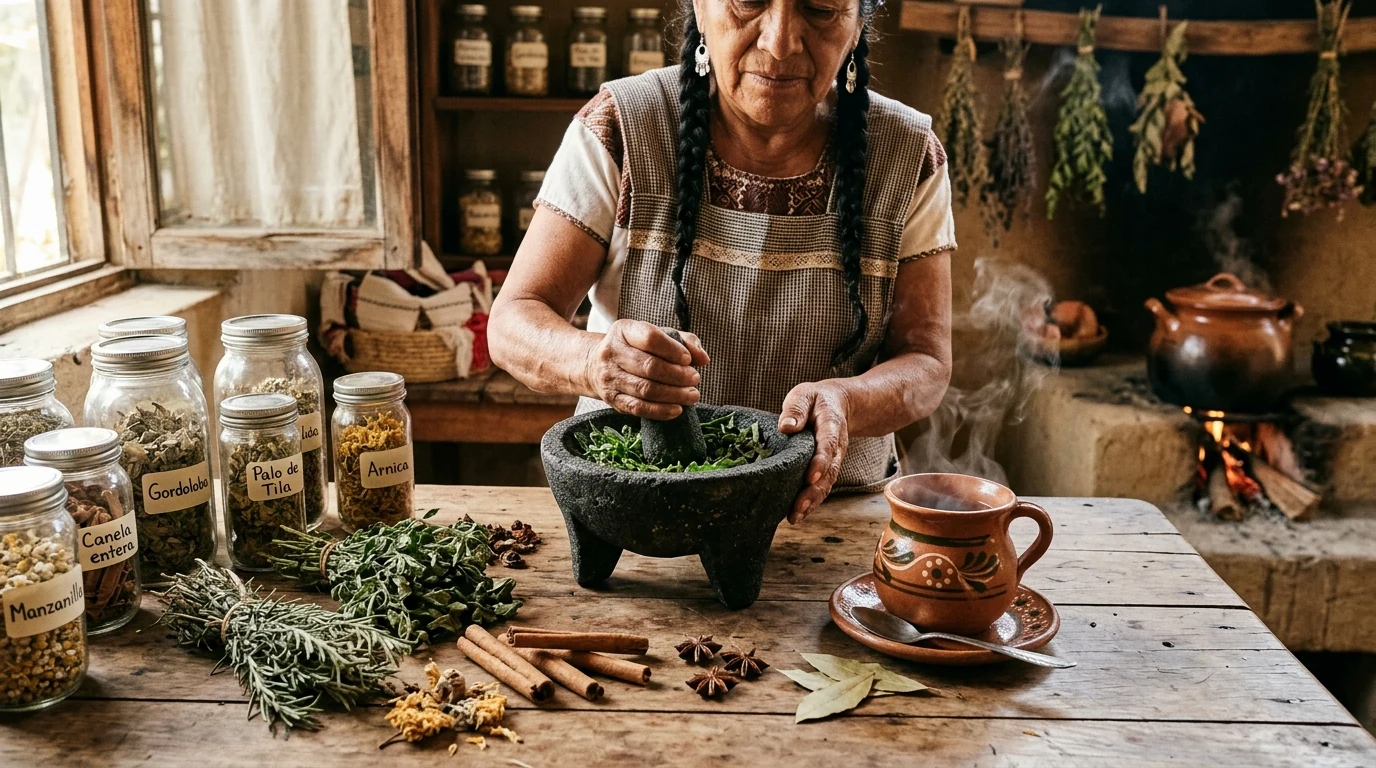
Selecting the right herbal resource depends entirely on your objective: are you seeking to locate a plant in the wild or to understand its chemical properties in a laboratory setting? While both formats provide value, their utility differs based on the practical application of the knowledge.
Choose a mapped guide when your goal is active exploration. These resources are indispensable for:
- Foraging and Fieldwork: Precise distribution maps prevent wasted trips and ensure you are searching in the correct ecological niche.
- Travel and Regional Studies: Ideal for those exploring specific Mexican states to identify endemic species.
- Botanical Surveying: Essential for mapping biodiversity and understanding geographical patterns.
Conversely, a text-only book is sufficient when the focus is theoretical or clinical. These are the superior choice for:
- Historical Context: Deep dives into the ethnobotanical legacy and ancestral uses of Mexican flora.
- Detailed Monographs: Comprehensive academic studies focusing on morphology and taxonomy.
- Clinical Phytotherapy: Professional guides centered on dosage, contraindications, and pharmacological interactions where location is irrelevant.
Ultimately, the map transforms a book into a tool for discovery, while the text transforms it into a source of authority.
¿Deseas profundizar en Comparativa: libros de herbolaria mexicana con mapas de distribución vs sin mapas?
Consulta la selección de libros oficiales, manuales de botica y hierbas auténticas disponibles en Amazon con envío prioritario:
Check Prices and Deals on Amazon ↗Frequently Asked Questions about Mexican Herbalism Books
Are Mexican herbalism books with distribution maps more accurate than those without?
Not necessarily more accurate in botanical descriptions, but maps add essential geographic context that reduces misidentification and helps readers locate plants in the correct habitat.
Can I rely on a text-only herbal book for safe plant identification?
Text-only books are excellent for learning names, uses, and dosages, but safe identification usually requires detailed illustrations or photographs; pair them with a mapped field guide or consult a local expert.