Comparativa: libros de herbolaria mexicana con nombres científicos vs nombres comunes
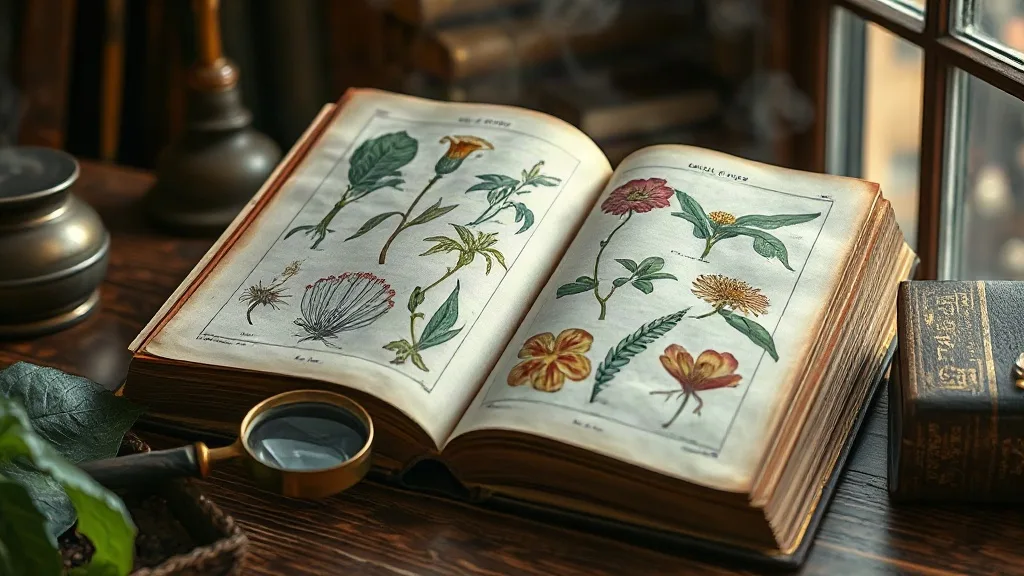

Key Summary: For precision and safety, choose books with scientific names to avoid regional confusion. However, guides using common names are more accessible for beginners. The ideal choice is a hybrid manual: one that bridges traditional folk knowledge with rigorous botanical classification for a reliable, comprehensive experience.
Why Scientific Names Matter in Mexican Herbalism
In the rich landscape of Mexican herbalism, a single plant can carry dozens of different common names depending on the state, community, or indigenous language. While this linguistic diversity reflects a deep cultural heritage, it creates a critical safety gap in phytotherapy. Relying solely on regional names—such as estafiate or árnica—can lead to dangerous misidentifications, as different species often share the same moniker but possess vastly different chemical profiles and toxicities.
Botanical nomenclature serves as the essential bridge between ancestral wisdom and modern clinical safety. By integrating scientific names (Latin binomials), herbalists can transition from anecdotal usage to standardized precision. This rigor ensures that:
- Accuracy: The exact species is identified, eliminating guesswork across geographical borders.
- Safety: Potential contraindications and toxic alkaloids are correctly mapped to the specific plant.
- Validation: Traditional uses can be cross-referenced with pharmacological research and peer-reviewed literature.
"The common name tells us how a plant is loved by a people; the scientific name tells us exactly what the plant is."
Ultimately, books that prioritize botanical nomenclature do not erase tradition—they protect it, ensuring that the healing power of Mexico's flora is applied with absolute certainty.
Key UNAM-Linked Herbalism Books and How to Choose Between Them
Navigating the vast landscape of Mexican herbalism requires a strategic approach to literature. Scholarship from the National Autonomous University of Mexico (UNAM) is the gold standard, bridging the gap between ancestral wisdom and rigorous botanical science. However, the "right" book depends entirely on your objective.
To select the ideal resource, follow this decision framework based on your primary goal:
- For Safe Clinical Use: Prioritize texts that pair common names with scientific binomials (Latin names). Because common names vary by region, relying on them can lead to dangerous misidentifications. Look for UNAM-backed pharmacopeias that detail dosage and contraindications.
- For Field Identification: Choose illustrated guides focused on morphology. These books prioritize visual markers and habitat data, allowing you to transition from a common name to a verified species in the wild.
- For Ethnobotanical Study: Select works that document the cultural narrative and traditional usage. These texts often emphasize common names to preserve the linguistic heritage of indigenous communities.
Pro Tip: If a book lists only common names without scientific verification, treat it as a cultural reference rather than a clinical manual.
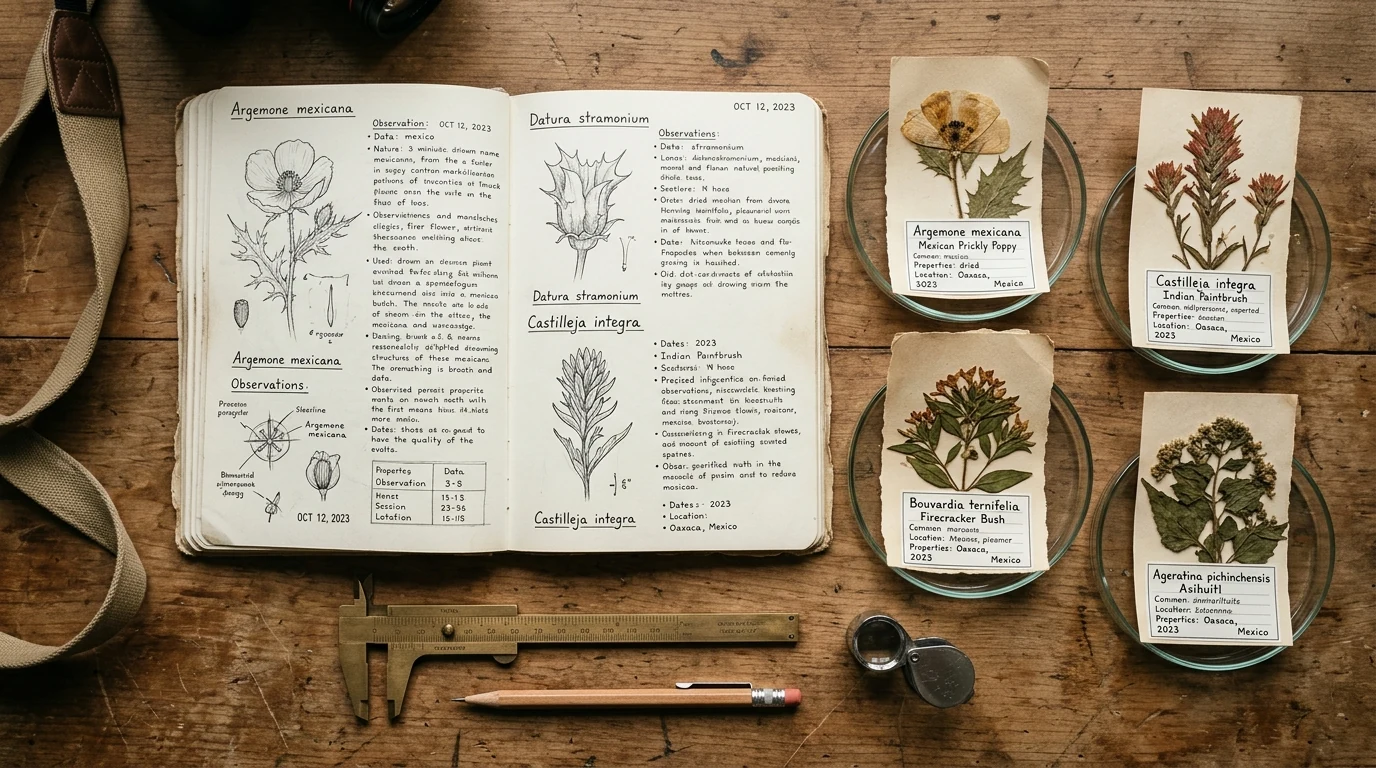
Side-by-Side Comparison and Where to Find Reliable PDFs
When navigating the vast landscape of Mexican herbalism, the distinction between common names and scientific nomenclature is critical for safety and accuracy. Common names (nombres comunes) are culturally rich but often ambiguous; a single plant may have five different names across various Mexican states, or one name may refer to several distinct species.
In contrast, professional botanical texts prioritize scientific names (Latin binomials), which provide a universal standard. Here is how the formats typically compare across recommended literature:
- Traditional Guides: Focus heavily on common names and folk usage, making them accessible but prone to regional misidentification.
- Academic Monographs: Lead with scientific names, ensuring that the pharmacological properties described apply to the exact species.
- Hybrid Manuals: The gold standard, listing both formats to bridge the gap between ancestral knowledge and modern botany.
For those seeking authoritative, free resources, the UNAM (Universidad Nacional Autónoma de México) digital repositories are the most reliable source. To avoid unreliable third-party sites, search specifically within the UNAM Digital Library or the Instituto de Biología portals for official "Herbolaria Mexicana" PDFs, ensuring the data is peer-reviewed and scientifically validated.
¿Deseas profundizar en Comparativa: libros de herbolaria mexicana con nombres científicos vs nombres comunes?
Consulta la selección de libros oficiales, manuales de botica y hierbas auténticas disponibles en Amazon con envío prioritario:
Check Prices and Deals on Amazon ↗Frequently Asked Questions about Mexican Herbalism Books
What is herbolaria mexicana UNAM?
It refers to the academic study and documentation of Mexican herbal medicine, often supported or published by scholars and institutions linked to the Universidad Nacional Autónoma de México (UNAM), combining ethnobotanical tradition with botanical and pharmacological rigor.
Why do some Mexican herbalism books use scientific names while others use common names?
Scientific names provide a single, globally recognized label for each plant, preventing dangerous mix-ups between species that share regional common names. Common names preserve local cultural knowledge and accessibility, but they vary by region and are less reliable for precise identification and dosing.