Comparativa: libros de herbolaria mexicana con recetas vs solo información botánica
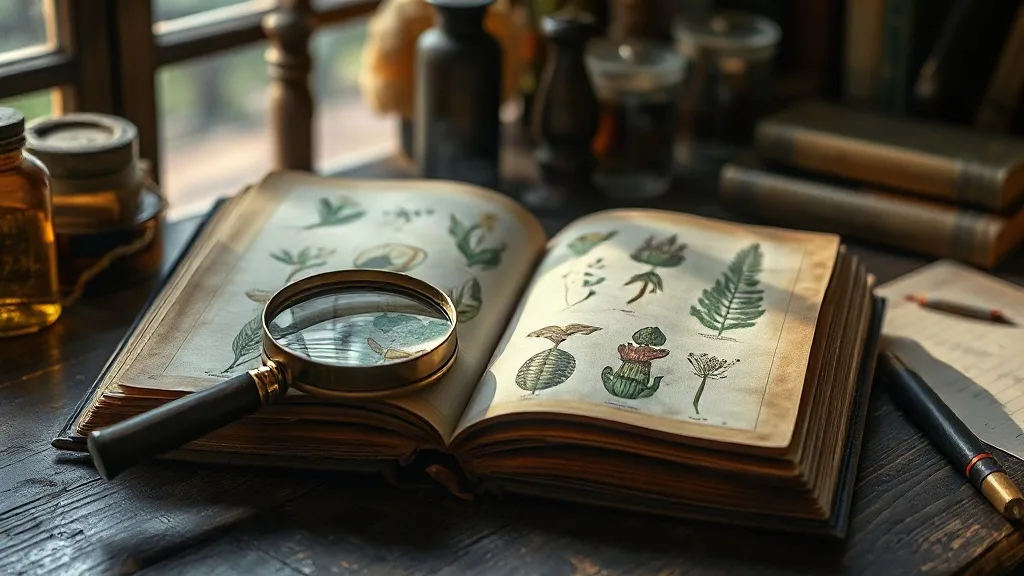
Key Summary: Choose botanical guides for rigorous scientific study and precise identification. However, for practical application, recipe-based herbals are superior, bridging the gap between theory and tradition. For a complete experience, combine both: botanical accuracy ensures safety, while recipes transform knowledge into tangible, ancestral healing practices.
Why readers search for recetas de herbolaria mexicana
There is a profound disconnect between knowing what a plant is and knowing how to use it. While many botanical guides provide exhaustive theoretical data—detailing Latin nomenclature, soil requirements, and chemical compounds—they often leave the reader stranded at the most critical stage: application. This gap is why enthusiasts specifically seek out recetas de herbolaria mexicana.
Theoretical knowledge identifies the remedy, but a recipe provides the protocol. The transition from botany to home pharmacy requires precision to ensure both efficacy and safety. Readers search for structured recipes because they provide essential guidance on:
- Precise Dosage: Moving beyond "a pinch" to specific measurements that avoid toxicity.
- Preparation Methods: Distinguishing when to use a decoction, infusion, or tincture to extract the correct active principles.
- Cultural Context: Understanding the ancestral wisdom and traditional timing that informs Mexican herbalism.
"Botanical information tells us that a plant has healing properties; a recipe tells us how to safely unlock them within the home."
Ultimately, the demand for recipes reflects a desire for actionable wellness—transforming a scientific catalog into a living, breathing practice of ancestral health.
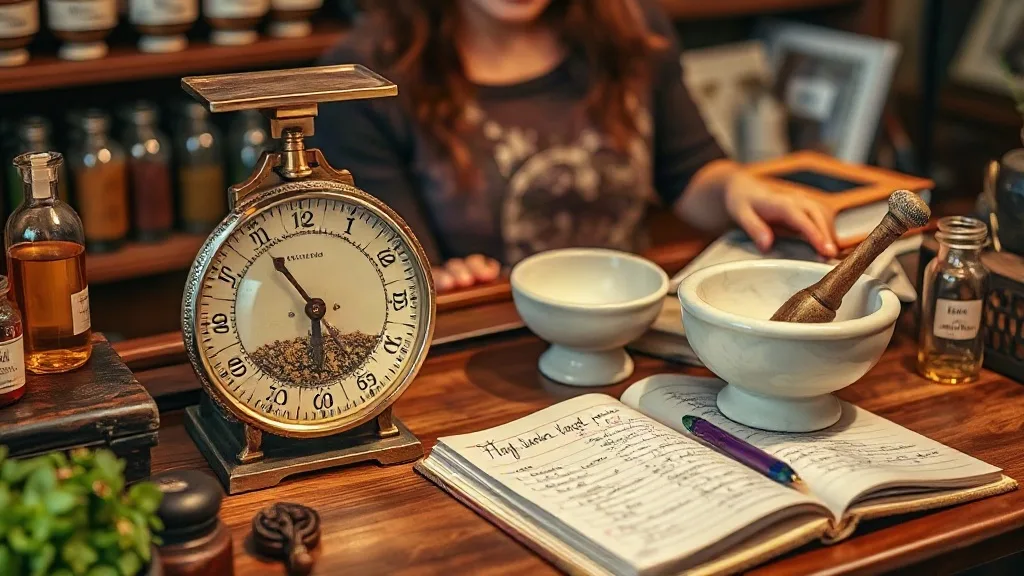
5 recetas de herbolaria mexicana and key plants to look for
While botanical guides provide the "what," a recipe-based herbalism book provides the "how." To transition from theory to practice, look for guides that feature these five traditional Mexican staples:
- Damiana Tea: Used for vitality. Infuse dried leaves in hot water for 10 minutes.
- Gordonia (Gordolobo) Syrup: A respiratory classic. Simmer flowers with honey and water to create a soothing expectorant.
- Aloe Vera Gel: For skin healing. Extract the clear inner fillet and apply directly to burns.
- Chamomile & Linden Infusion: A calming blend. Steep both dried flowers to reduce anxiety and insomnia.
- Epazote Decoction: For digestive health. Boil fresh leaves briefly to alleviate bloating.
However, a high-quality recipe book must go beyond simple instructions. To ensure safe usage, ensure the text includes precise dosages, contraindications (who should avoid the plant), and sourcing guidelines to prevent toxicity from look-alike species.
The true value of a recipe-driven guide lies in its ability to bridge the gap between ancient botanical knowledge and safe, modern application.
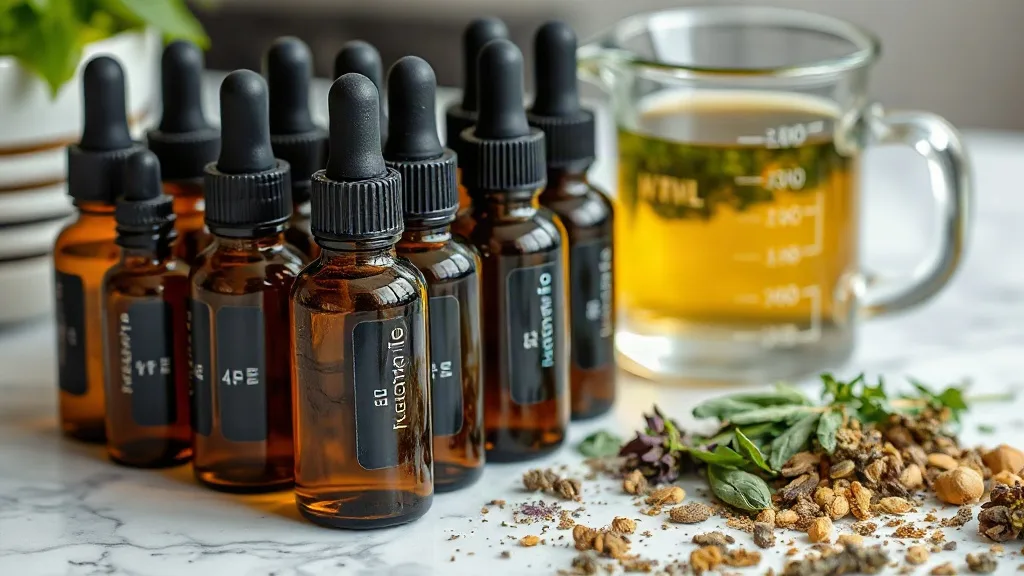
Comparativa: recipe-based books vs. botanical-only books
When diving into the vast world of Mexican herbalism, the choice of literature depends entirely on your goal: are you seeking a scientific catalog or a practical apothecary guide? Botanical-only books function as academic encyclopedias, prioritizing taxonomic precision, detailed morphological illustrations, and rigorous scientific references. These are indispensable for identification and pharmacological study but often lack the "how-to" for home application.
In contrast, recipe-based books bridge the gap between theory and practice. These titles focus on recetas de herbolaria mexicana, transforming raw botanical data into actionable remedies such as tinctures, infusions, and poultices. While botanical guides offer the "what," recipe books provide the "how."
- Botanical-Only Titles: High scientific rigor, extensive Latin nomenclature, and professional botanical plates. Ideal for researchers.
- Recipe-Based Titles: Practical dosages, traditional preparation methods, and user-friendly guides. Often available in accessible PDF formats for quick kitchen reference.
Pro Tip: For a complete mastery of Mexican medicine, we recommend a hybrid approach—using a botanical guide for safe plant identification and a recipe-based manual for therapeutic execution.
¿Deseas profundizar en Comparativa: libros de herbolaria mexicana con recetas vs solo información botánica?
Consulta la selección de libros oficiales, manuales de botica y hierbas auténticas disponibles en Amazon con envío prioritario:
Check Prices and Deals on Amazon ↗Frequently Asked Questions about Mexican Herbalism Books
What is the difference between a Mexican herbalism recipe book and a botanical-only guide?
A recipe book provides preparation methods, dosages, and therapeutic applications for home use, while a botanical-only guide focuses on plant identification, taxonomy, habitat, and chemical constituents without practical remedy instructions.
Where can I find reliable recetas de herbolaria mexicana in PDF format?
Reliable PDFs can often be found through university ethnobotany departments, public digital libraries, and reputable publishers; always verify the source to ensure accurate plant identification and safe dosage guidance.