Comparativa: libros de herbolaria mexicana económicos vs premium
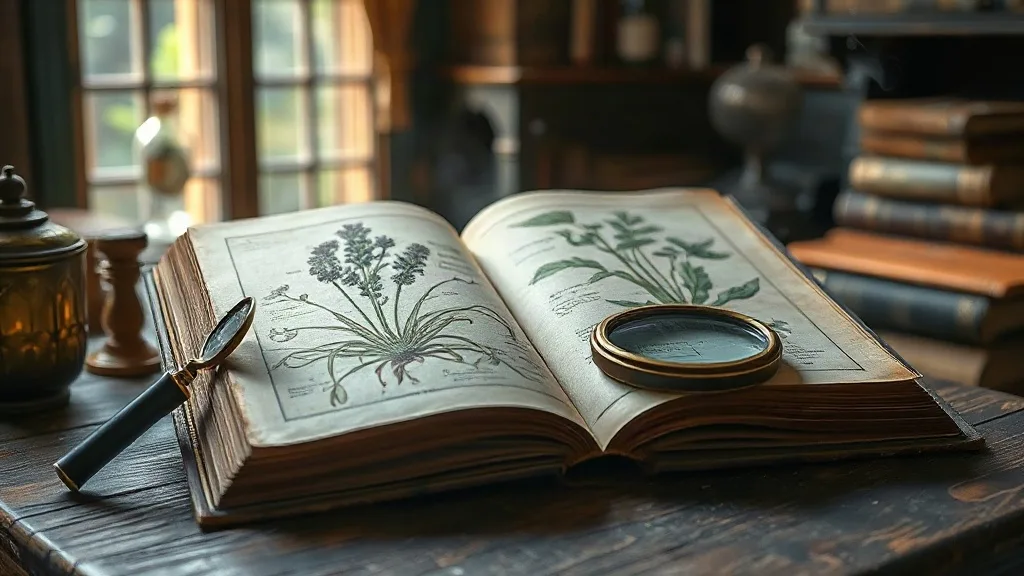

Key Summary: Budget guides offer great introductory basics, but premium editions provide essential scientific rigor and detailed botanical illustrations. For casual curiosity, go economic; however, for safe, professional practice, invest in premium texts. Quality documentation is non-negotiable when blending traditional Mexican wisdom with modern safety standards.
What to Look for in a Mexican Herbalism Book Before Checking the Price
When exploring the vast landscape of Mexican botanical medicine, the temptation to choose the most affordable guide is strong. However, in herbalism, a low price often signals a dangerous compromise in rigor. The real risk isn't a lack of recipes, but a lack of clinical precision.
A premium resource is an investment in safety. Before considering the cost, ensure the text provides these non-negotiable pillars of botanical science:
- Precise Botanical Identification: High-resolution imagery and Latin binomials to prevent toxic misidentification.
- Pharmacological Depth: Detailed analysis of active constituents and standardized dosage guidelines.
- Safety Protocols: Clear contraindications and potential drug interactions to avoid adverse reactions.
- Cultural Lineage: Contextual integration of traditional indigenous knowledge with modern evidence.
Price is a poor proxy for quality in herbalism; a cheap book that omits a critical contraindication is the most expensive mistake a practitioner can make.
Prioritize authoritative sourcing and scientific validation over a bargain. In the realm of natural medicine, the value of a book is measured by the reliability of its data and the safety of its applications.
Budget Picks That Deliver Real Value
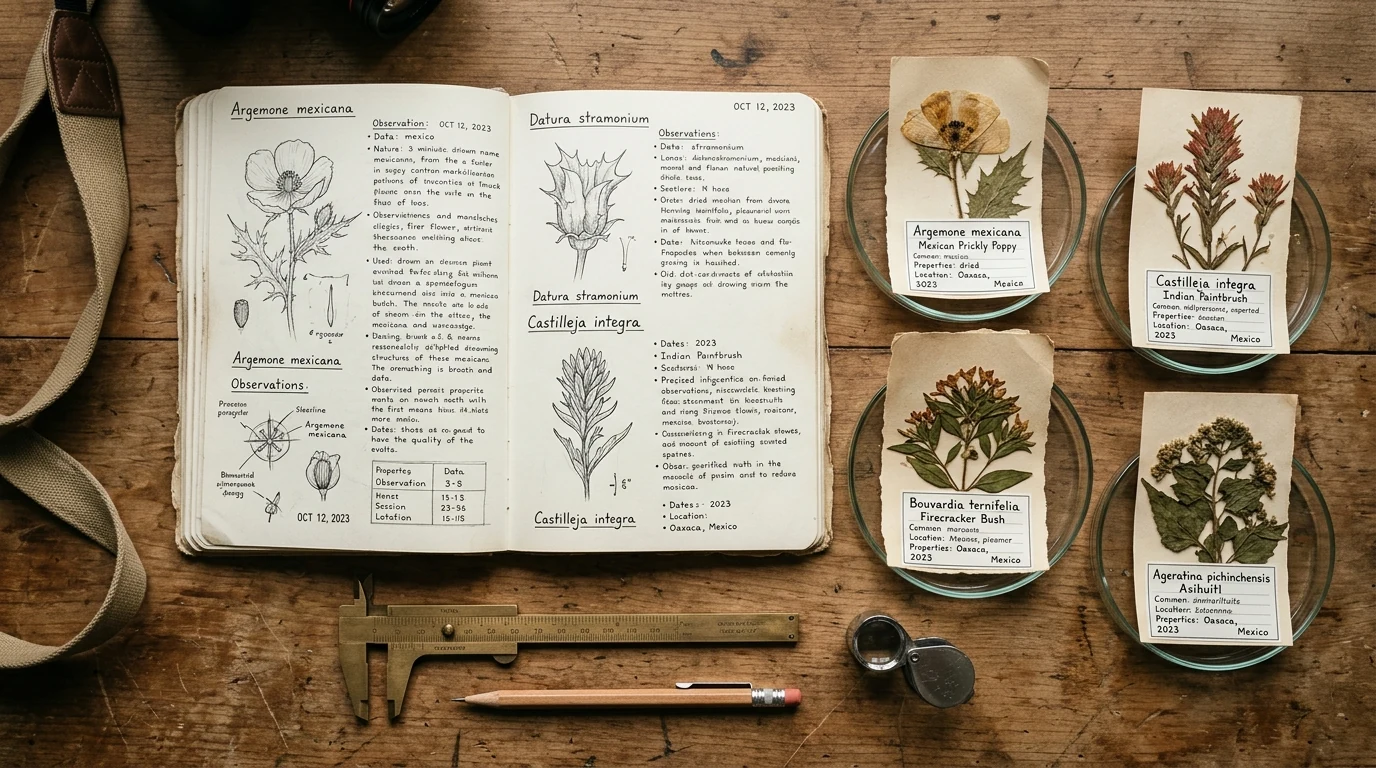
You don’t need a luxury hardcover to begin your journey into Mexican herbalism. There are several affordable guides and regional manuals that provide reliable plant profiles and practical remedies without the premium price tag. These budget-friendly options are often excellent for beginners seeking quick references for common ailments or basic identification of native flora.
However, choosing a lower-cost resource typically involves certain trade-offs. To get the most out of these books while staying safe, keep the following in mind:
- Verification: Budget titles may lack extensive peer-reviewed citations. Always cross-reference dosage and contraindications with a second source.
- Visuals: Lower-cost printing often means simplified illustrations. Never rely solely on a budget sketch for foraging; use a professional field guide to confirm plant identity.
- Depth: While they offer the "how-to," they may skip the "why." Use these as practical handbooks rather than comprehensive pharmacological studies.
Pro Tip: The real value of a budget book lies in its utility. Use it as a starting point to build your home apothecary, but invest in a high-quality botanical atlas as your library grows.
Premium Editions Worth the Investment
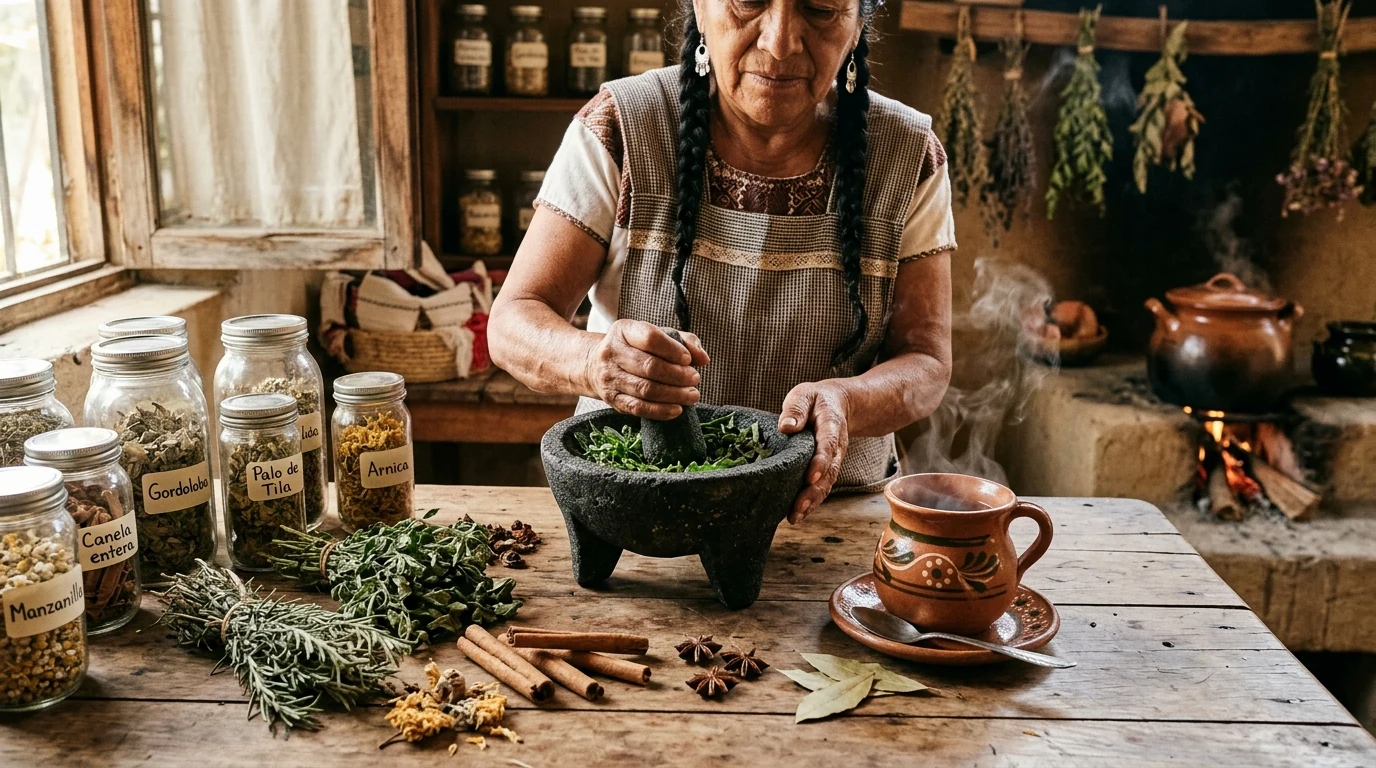
While budget-friendly guides offer a helpful introduction to Mexican flora, premium editions transform a simple list of plants into a professional clinical tool. The primary differentiator lies in the depth of the monographs; where basic books provide brief summaries, premium volumes deliver exhaustive pharmacological profiles, detailing active compounds and precise dosage protocols.
These high-end editions are characterized by a seamless integration of clinical phytotherapy, bridging the gap between ancestral wisdom and evidence-based medicine. This rigor is supported by expert authorship—often comprising PhDs in botany or specialized pharmacologists—and high-resolution, botanical illustrations that eliminate the risk of misidentification in the field.
To choose the right resource, consider this decision matrix:
- The Casual Enthusiast: Opt for economic guides for home gardening and general wellness tips.
- The Student/Practitioner: Invest in premium editions for clinical accuracy, safety contraindications, and academic citations.
- The Collector/Botanist: Prioritize luxury editions for their superior archival quality and detailed taxonomic illustrations.
Investment in a premium text is not just about the paper quality, but about the clinical security and depth of knowledge it provides.
¿Deseas profundizar en Comparativa: libros de herbolaria mexicana económicos vs premium?
Consulta la selección de libros oficiales, manuales de botica y hierbas auténticas disponibles en Amazon con envío prioritario:
Check Prices and Deals on Amazon ↗Frequently Asked Questions about Mexican Herbalism Books
Can an inexpensive Mexican herbalism book still be accurate and safe?
Yes, if it is written by recognized ethnobotanists or herbalists, cites botanical and pharmacological sources, and clearly states dosage, contraindications, and preparation methods. Always cross-check critical safety information with peer-reviewed references.
When is it worth paying premium for a Mexican herbalism book?
A premium book is worth the investment when you need comprehensive plant monographs, integration of traditional knowledge with modern phytotherapy, high-quality botanical illustrations, detailed safety tables, or a durable professional reference that reduces trial-and-error and risk.