Comparativa: libros de herbolaria mexicana en español vs inglés
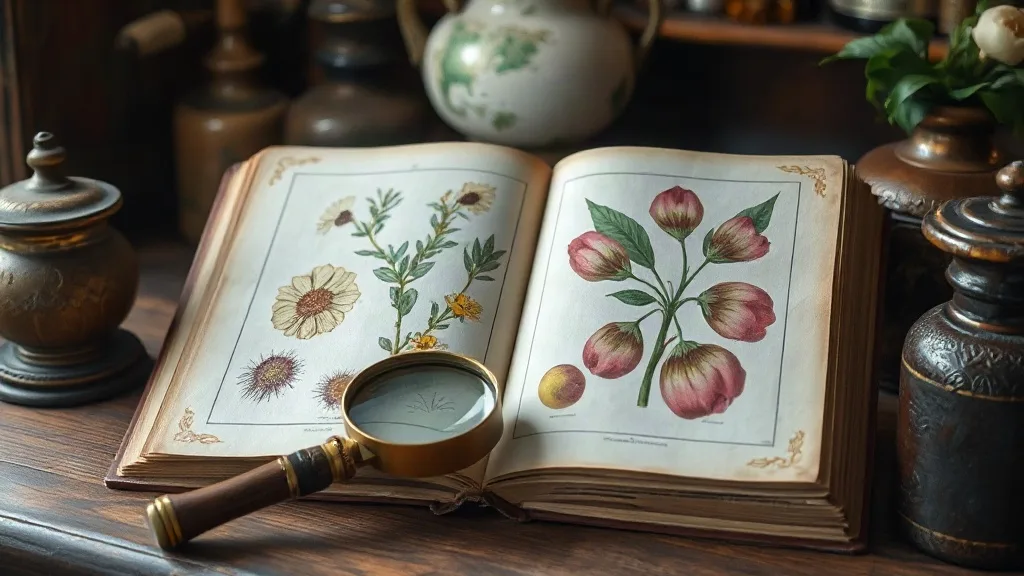

Key Summary: Spanish texts offer deeper cultural roots and ancestral precision, essential for authentic Mexican herbolaria. English versions provide superior scientific standardization and global accessibility. For holistic mastery, combine Spanish sources for traditional wisdom with English literature for pharmacological rigor and contemporary clinical validation.
Why Language Matters When Studying Mexican Herbalism
Studying Mexican herbalism is not merely a botanical exercise; it is an immersion into a living cultural legacy. While English-language texts offer valuable scientific frameworks, they often act as a filter that strips away the nuanced soul of traditional medicine. The linguistic gap creates a significant barrier in the preservation of ancestral knowledge.
The importance of language in this field manifests in several critical areas:
- Preservation of Common Names: Many plants are known by regional names in Spanish or indigenous languages (Nahuatl, Maya) that carry specific diagnostic meanings. Translation often flattens these distinctions, leading to potential identification errors.
- Traditional Wisdom: The "spirit" of the remedy—the ritual, the intention, and the oral tradition—is deeply embedded in the original language. English versions frequently prioritize the chemical compound over the holistic practice.
- Scientific Precision: Bridging the gap between local nomenclature and Latin binomials requires a linguistic bridge. Spanish texts provide a more direct link to the primary sources of Mexican ethnobotany.
Ultimately, learning through the original language transforms the reader from a distant observer into an active participant in the conservation of Mexico's botanical heritage.
How to Choose a High-Quality Mexican Herbalism Book Step-by-Step
Selecting a reliable guide to Mexican herbalism requires a critical eye, especially when comparing Spanish-language texts—which often lean on ancestral tradition—and English editions, which tend toward clinical standardization. To ensure safety and efficacy, follow these practical criteria before purchasing:
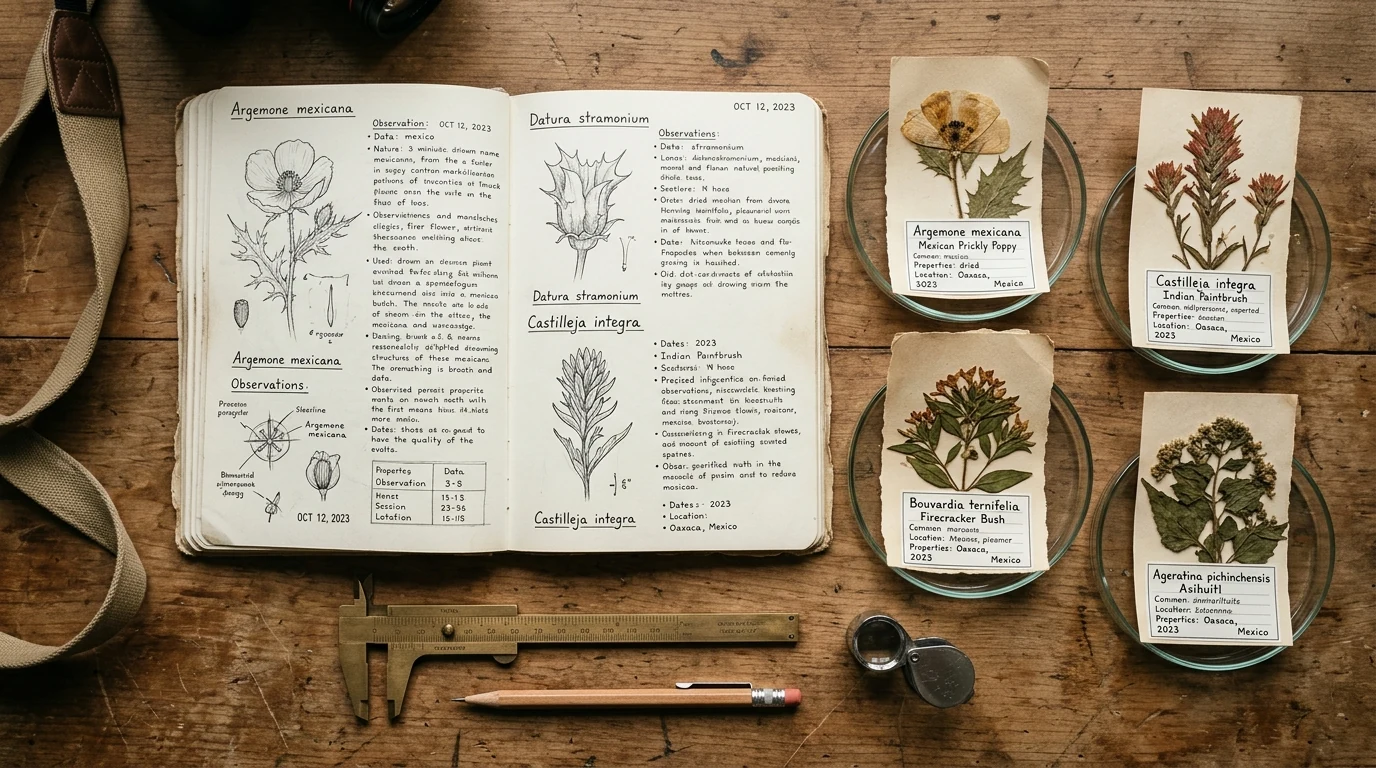
- Verify Botanical Identification: Ensure the book uses binomial nomenclature (Latin names). Common names vary by region in Mexico; scientific names prevent dangerous misidentifications.
- Analyze Dosage and Contraindications: A professional manual must include precise dosages and a dedicated section on toxicity and drug interactions. Avoid books that present plants as "universally safe."
- Evaluate the Author’s Pedigree: Look for a balance between formal botanical training and documented experience in traditional Mexican medicine.
- Cross-Reference Sources: Check if the work cites ethnobotanical studies or recognized pharmacopeias rather than relying solely on anecdotal evidence.
Pro Tip: While English books offer rigorous structural formatting, Spanish texts often provide deeper cultural context. For the best results, cross-reference a clinical English guide with a traditional Mexican source to bridge the gap between science and heritage.
Comparativa: libros de herbolaria en español vs en inglés
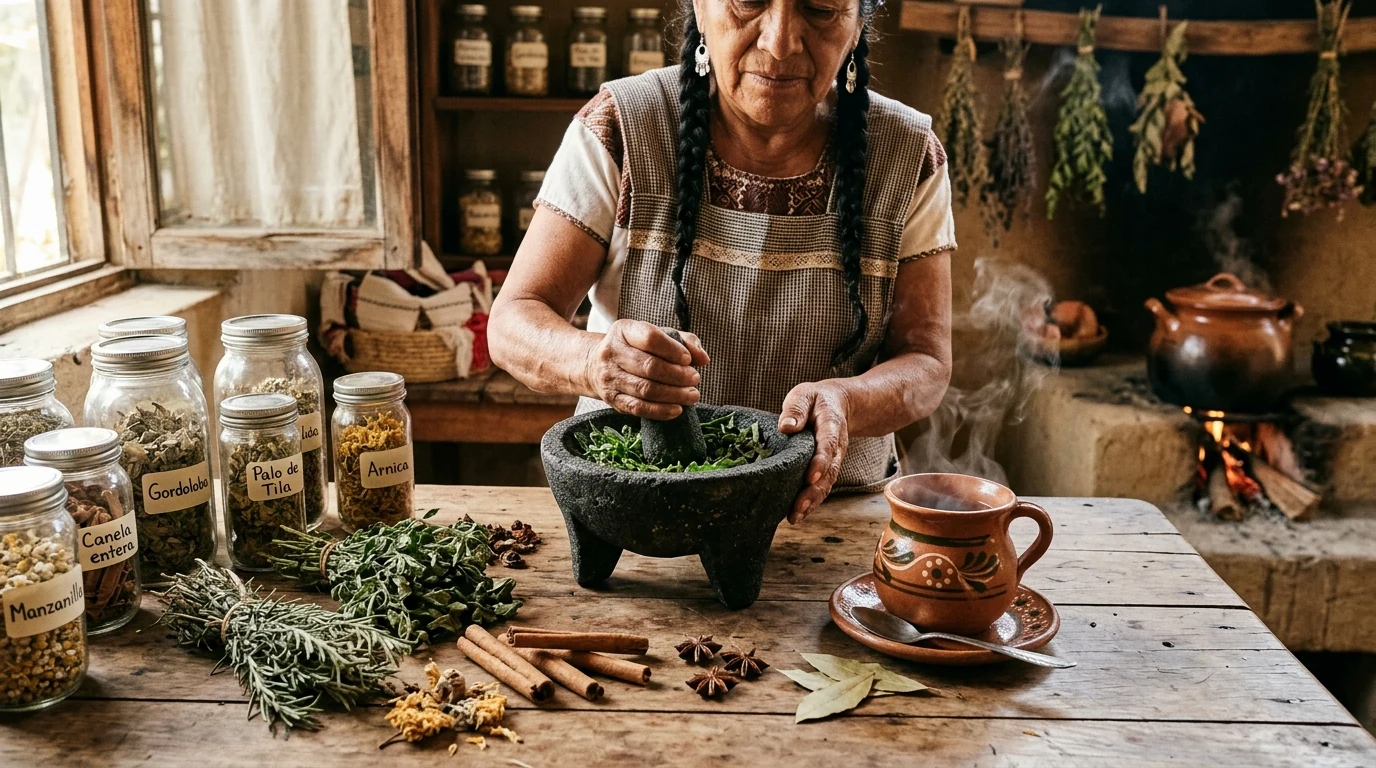
When exploring Mexican herbalism, the choice of language significantly shapes the depth and perspective of the knowledge acquired. Spanish-language literature offers an intimate, ancestral connection, focusing on curanderismo and traditional community practices. In contrast, English resources tend to lean toward a clinical or botanical approach, prioritizing pharmacological validation and systematic classification.
- Spanish Resources: Their strength lies in cultural authenticity and oral tradition. Works like those by Dr. Jose Luis Caparo provide deep insights into regional usage and folk wisdom, though they may sometimes lack standardized scientific citations.
- English Resources: These excel in accessibility and rigorous academic structure. Books such as "Mexican Medicinal Plants" often provide precise botanical nomenclature and safety profiles, though they can strip away the spiritual context of the plants.
Final Recommendation: If you are a practitioner seeking cultural immersion and traditional recipes, prioritize Spanish texts. If you are a researcher or a student of pharmacology seeking standardized data and safety guidelines, English publications are your best bet. For a holistic mastery, a bilingual approach is the gold standard.
¿Deseas profundizar en Comparativa: libros de herbolaria mexicana en español vs inglés?
Consulta la selección de libros oficiales, manuales de botica y hierbas auténticas disponibles en Amazon con envío prioritario:
Check Prices and Deals on Amazon ↗Frequently Asked Questions about Mexican Herbalism Books
¿Es mejor leer herbolaria mexicana en español o en inglés?
El español suele conservar mejor la terminología tradicional, los nombres comunes y el contexto cultural; el inglés aporta estudios etnobotánicos y fitoquímicos con revisión académica. Lo ideal es combinar ambos según tu objetivo: práctica tradicional o investigación científica.
¿Qué debo revisar antes de comprar un libro de herbolaria mexicana?
Verifica que incluya identificación botánica con nombre científico, contraindicaciones, dosis seguras, fuentes bibliográficas y la formación del autor. Un buen libro vincula el uso tradicional con evidencia de seguridad y eficacia.