Comparativa: libros de herbolaria mexicana por región (norte vs sur)
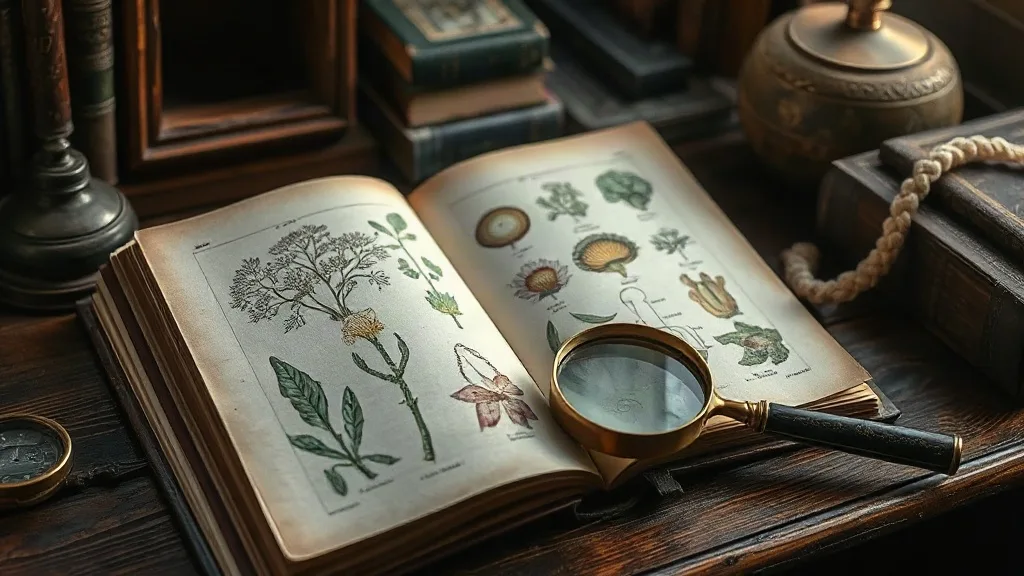
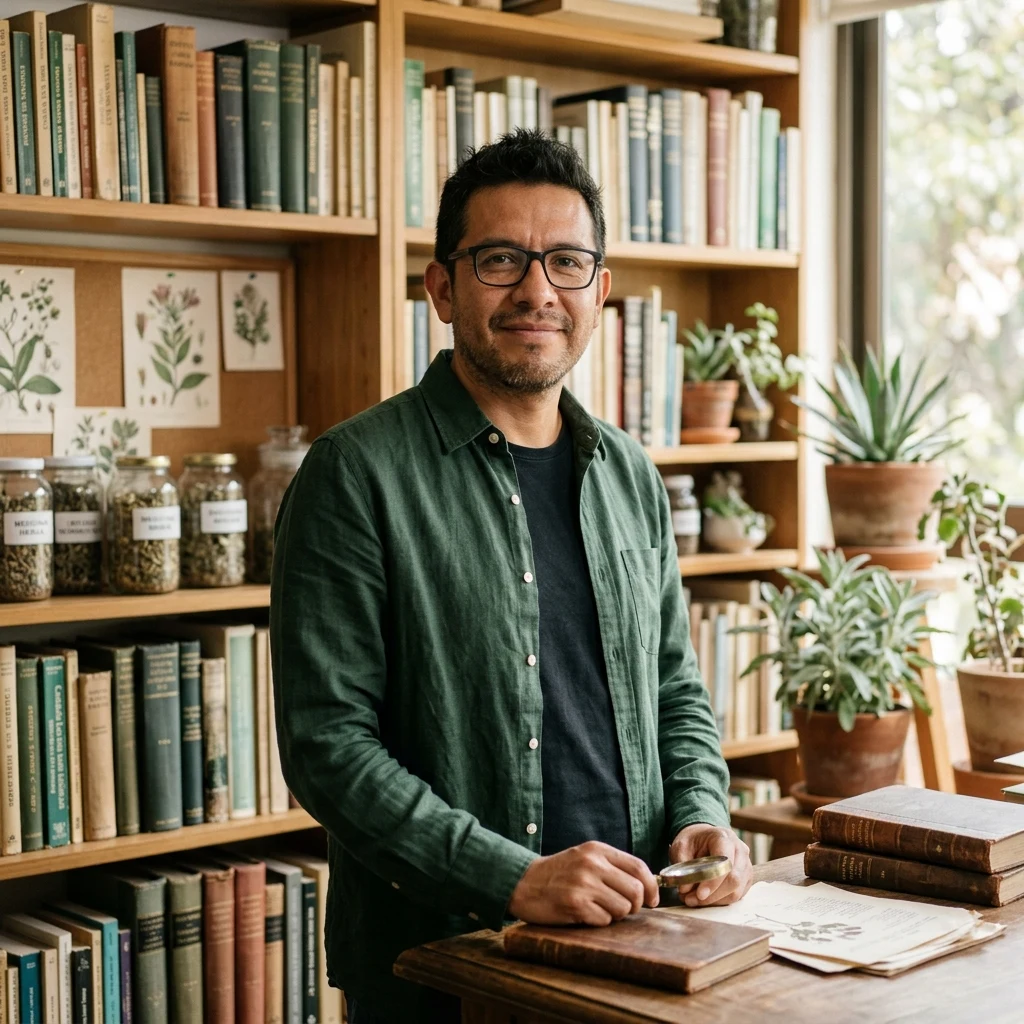
Key Summary: Northern guides prioritize arid-climate resilience and practical survival, while Southern texts emphasize biodiversity and ancestral rainforest wisdom. For a comprehensive view, combine both: the North offers specialized efficiency, and the South provides deep botanical richness. Together, they form a rigorous, complete map of Mexico’s healing flora.
Why Region Matters When Choosing a Mexican Herbalism Book
Mexico is not a botanical monolith; it is a mosaic of diverse ecosystems, from the arid deserts of the north to the humid tropical rainforests of the south. When selecting a guide to Mexican herbalism, ignoring regionality is a critical mistake. A plant that thrives in the highlands of Oaxaca may be non-existent or biologically different in the scrublands of Sonora.
The disparity between regional traditions is profound:
- The North: Focuses on resilience and adaptation, utilizing xerophytic plants, cacti, and resins capable of surviving extreme temperatures and water scarcity.
- The South: Rooted in biodiversity and moisture, emphasizing jungle flora, epiphytes, and a deep integration of Mayan and indigenous tropical medicine.
"To apply a northern remedy to a southern climate—or vice versa—is to ignore the symbiotic relationship between the land, the plant's potency, and the ancestral wisdom of the people who harvest it."
Choosing a book tailored to a specific region ensures that the botanical identifications are accurate and the therapeutic applications are ecologically sound, preventing costly errors in foraging and preparation.
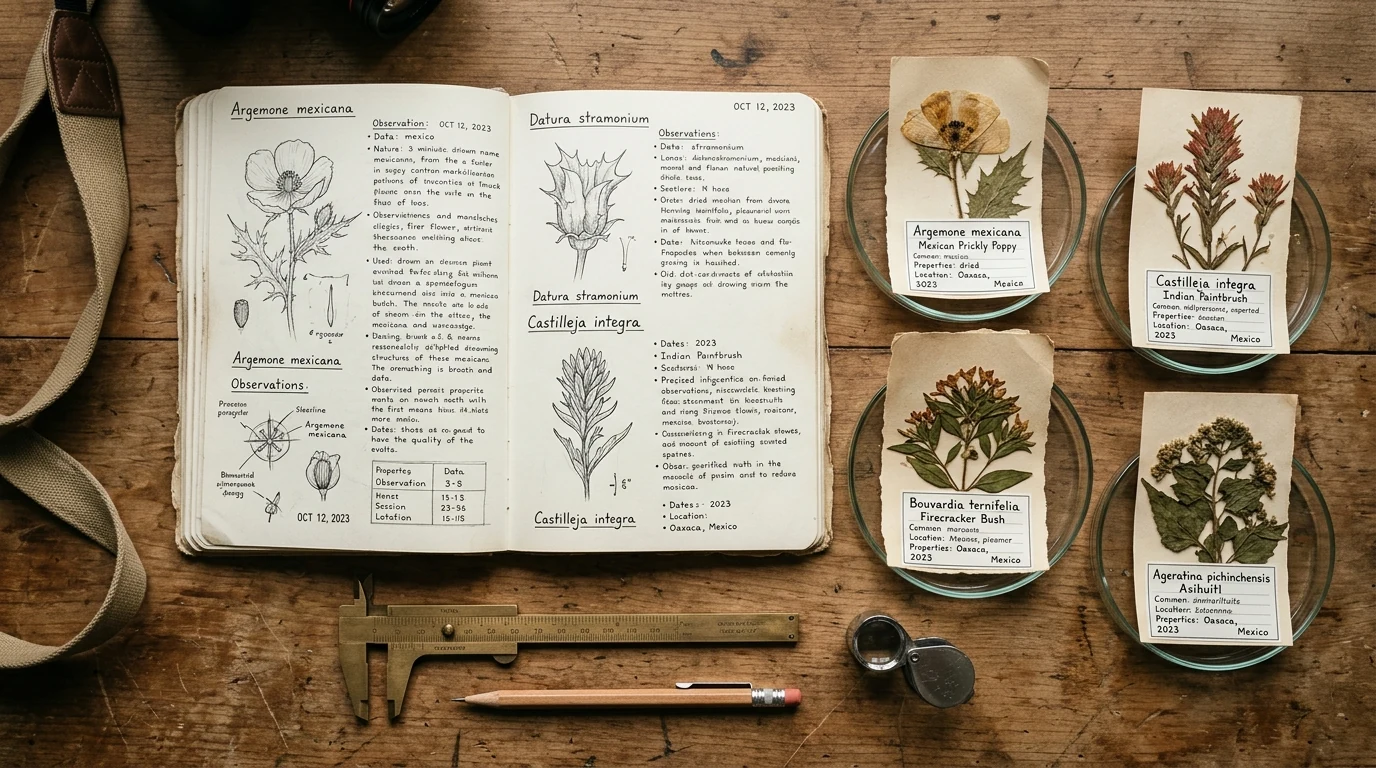
Plantas Medicinales de Oaxaca: Remedies and Traditional Uses
Oaxaca stands as the botanical heart of Mexico, where the convergence of diverse ecosystems allows for a sophisticated tradition of herbalism. Unlike the herbalism of Northern Mexico, which often focuses on arid-climate resilience and specific shrubs, Southern herbolaria is characterized by a lush, tropical complexity and a deep integration of ancestral Zapotec and Mixtec knowledge.
To implement these traditional remedies, practitioners generally follow these fundamental steps:
- Selection: Identify organic specimens such as Damiana (for vitality) or Hierba Luisa (for digestion).
- Preparation: Most Southern remedies are prepared as infusiones (steeping leaves in hot water) or tinturas (alcohol-based extractions) to preserve volatile oils.
- Application: Administer in small doses, typically following the lunar cycle or specific ritual timings common in Southern traditions.
While Northern herbal guides emphasize survivalist plants and drought-resistant roots, Oaxacan texts highlight the synergy between biodiversity and spiritual healing, offering a more holistic approach to wellness.
Integrating these regional insights allows for a comprehensive understanding of Mexican ethnobotany, bridging the gap between the rugged North and the mystical South.
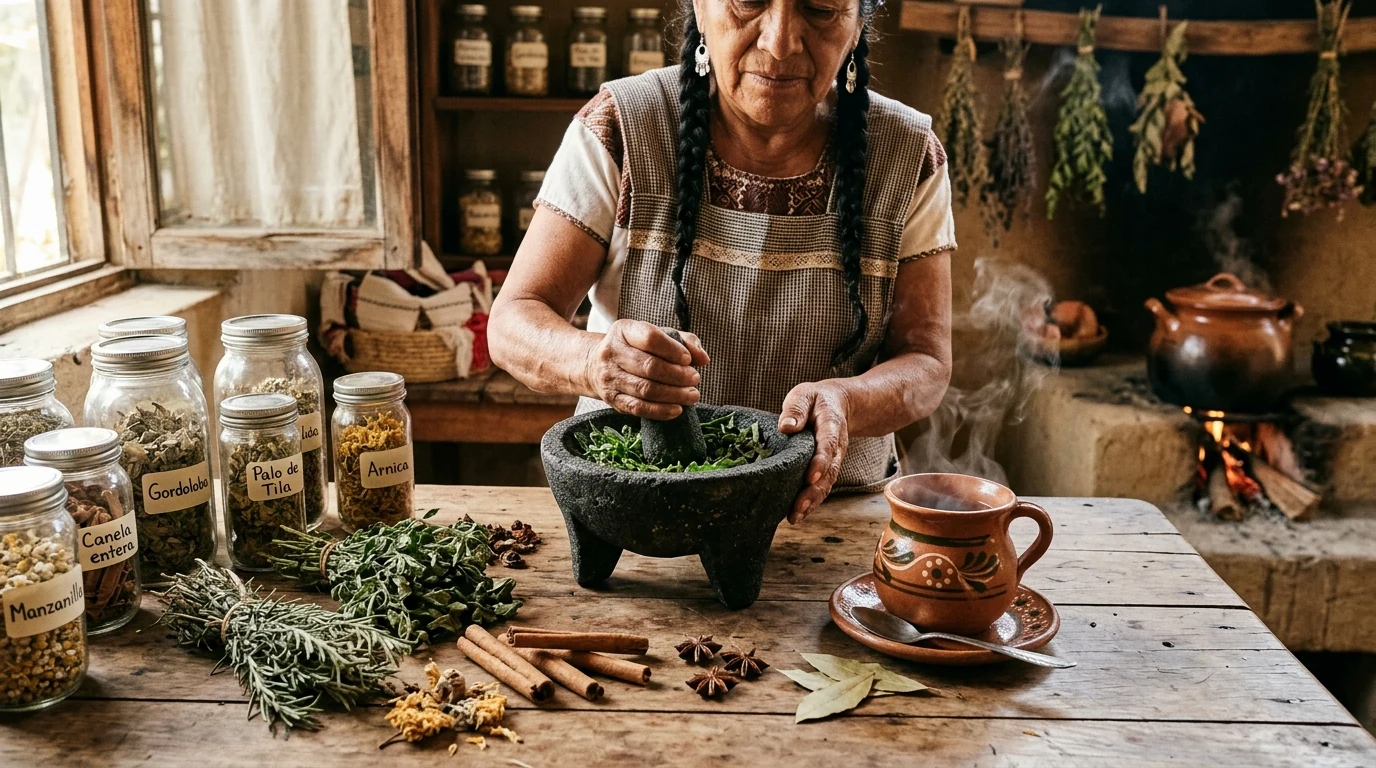
Oaxaca vs. Northern Mexico: Book Comparison and Recommendations
Exploring Mexican herbalism requires a nuanced approach, as the botanical landscape shifts dramatically from the humid tropicals of the south to the arid plateaus of the north. While both regions share a foundation of ancestral knowledge, the literature reflecting these practices differs in focus, species, and application.
Literature centered on Oaxaca tends to be ethnographic and lush, emphasizing the biodiversity of the Sierra Madre del Sur and the integration of Zapotec and Mixtec traditions. These resources are ideal for those studying rainforest medicine and complex ritual healing. In contrast, guides focused on Northern Mexico prioritize xerophytic plants, cacti, and resilience, offering practical insights into desert pharmacology and the influence of frontier survivalism.
Depending on your research goals, we recommend the following resources:
- For Southern Traditions: Seek out regional monographs on Oaxacan ethnobotany that detail the use of endemic orchids and tropical resins.
- For Northern Landscapes: Prioritize field guides on the Chihuahuan and Sonoran deserts, focusing on agave derivatives and drought-resistant shrubs.
"To understand Mexican herbalism is to understand its geography; the plant is the mirror of the land."
¿Deseas profundizar en Comparativa: libros de herbolaria mexicana por región (norte vs sur)?
Consulta la selección de libros oficiales, manuales de botica y hierbas auténticas disponibles en Amazon con envío prioritario:
Check Prices and Deals on Amazon ↗Frequently Asked Questions about Mexican Herbalism Books
What are the most important medicinal plants of Oaxaca?
Oaxaca’s herbal tradition highlights plants such as epazote, hierba santa, muicle, pasiflora, and various cacti. Books on plantas medicinales de Oaxaca typically describe their botanical identification, traditional preparation, dosage, and reported therapeutic uses.
How do herbalism books about Oaxaca differ from those about northern Mexico?
Oaxaca guides focus on tropical and mountainous flora, Zapotec/Mixtec ethnobotanical knowledge, and humid-climate remedies, while northern Mexico books emphasize desert plants, arid-land survival uses, and regional Indigenous traditions such as those of the Rarámuri and Yaqui.