Historia de los libros de herbolaria mexicana: evolución y tendencias
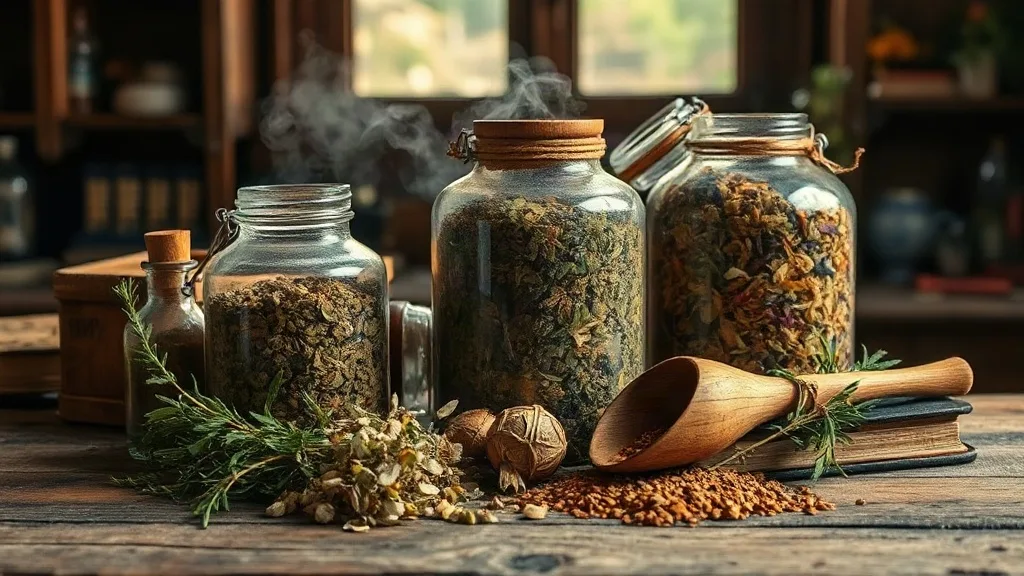

Key Summary: Mexican herbalism evolved from ancestral indigenous wisdom to colonial codices and modern scientific pharmacology. Today, the trend shifts toward integrating traditional knowledge with sustainable practices, blending ancient botanical legacies with contemporary wellness to preserve biodiversity and cultural identity through rigorous, accessible documentation.
Why the Written History of Mexican Herbalism Still Matters
Mexican herbalism is a profound tapestry woven from ancestral Indigenous wisdom and colonial influences. However, a dangerous gap often exists between popular home remedies and safe, clinical application. While oral tradition preserves culture, it can also distort dosages and contraindications, transforming a healing ritual into a health risk. This is where the written record becomes indispensable.
Tracing the evolution of Mexican herbal books—from the pictorial codices of the Aztecs to modern pharmacopeias—allows us to distinguish between three critical pillars:
- Tradition: The cultural heritage and identity embedded in plant use.
- Folklore: Anecdotal beliefs that, while culturally rich, may lack biological validation.
- Evidence-Based Phytotherapy: Documented botanical data that confirms efficacy and safety.
Understanding the history of these texts is not merely an academic exercise; it is a safety imperative.
By analyzing how botanical knowledge was documented and refined over centuries, readers can move beyond guesswork. Studying the written history empowers the modern user to honor the legacy of the curandero while applying the rigor of contemporary science, ensuring that nature's pharmacy is used both respectfully and safely.
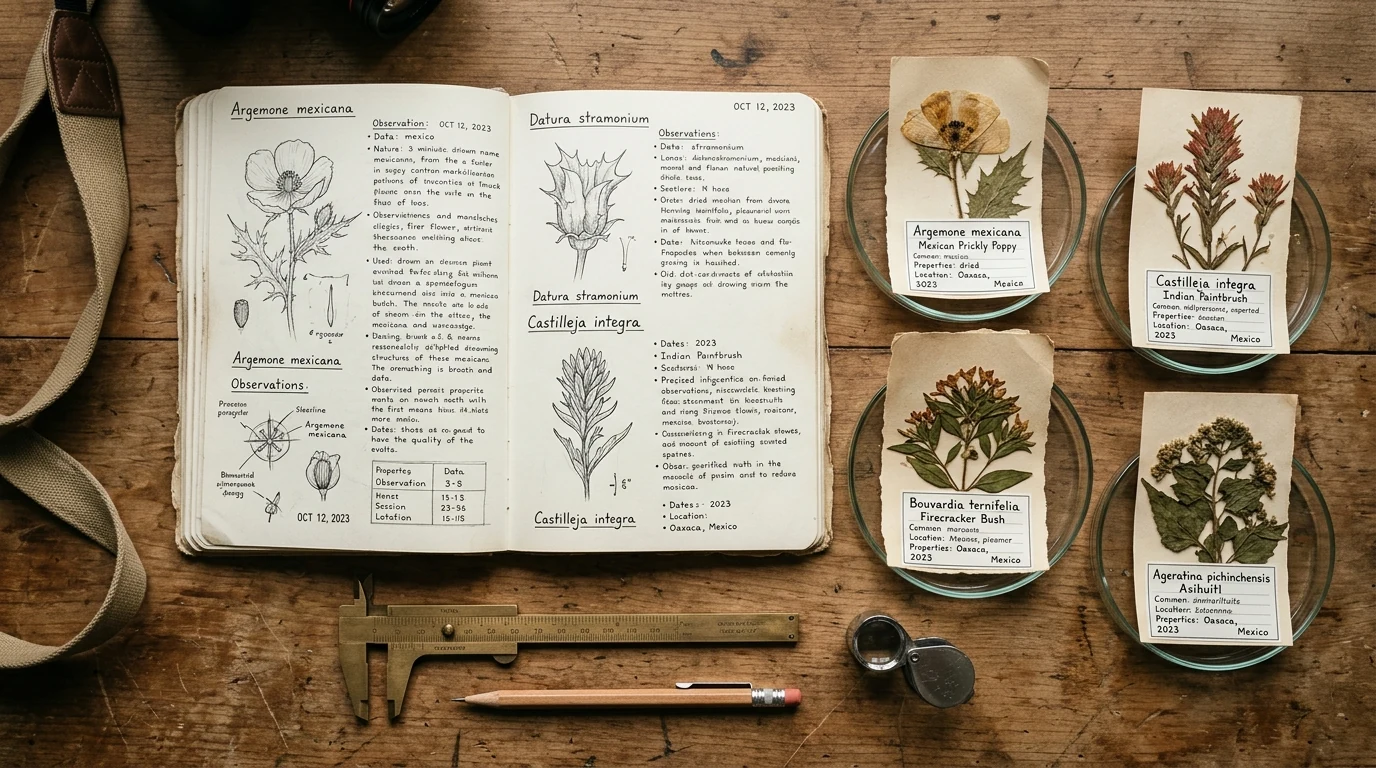
Key Milestones in Mexican Herbal Books: A Step-by-Step Timeline
The evolution of Mexican herbalism is a journey from ancestral oral tradition to rigorous scientific integration. This literary trajectory reflects a continuous effort to categorize the vast biodiversity of the region and standardize the healing arts.
- The Badianus Codex (1552): The first indigenous medical text, blending Nahua knowledge with European formatting. It established the foundational lexicon for plant identification and traditional preparation.
- Francisco Ximénez’s Quatro Libros (18th Century): A pivotal transition toward colonial scholarship, documenting Maya botanical wisdom and refining the dosing of native flora for a broader audience.
- 19th-Century Folk Herbals: These grassroots manuals democratized medicine, shifting focus toward domestic remedies and the practical application of "curanderismo" in rural communities.
- 21st-Century Integrative Manuals: Modern texts now bridge the gap between ethnobotany and pharmacology, offering evidence-based guidelines on dosing and safety while preserving cultural heritage.
From the pictorial records of the Aztecs to today’s clinical manuals, these texts have transformed native plants from mystical secrets into structured therapeutic tools, ensuring that Mexico's botanical legacy remains both accessible and scientifically viable.
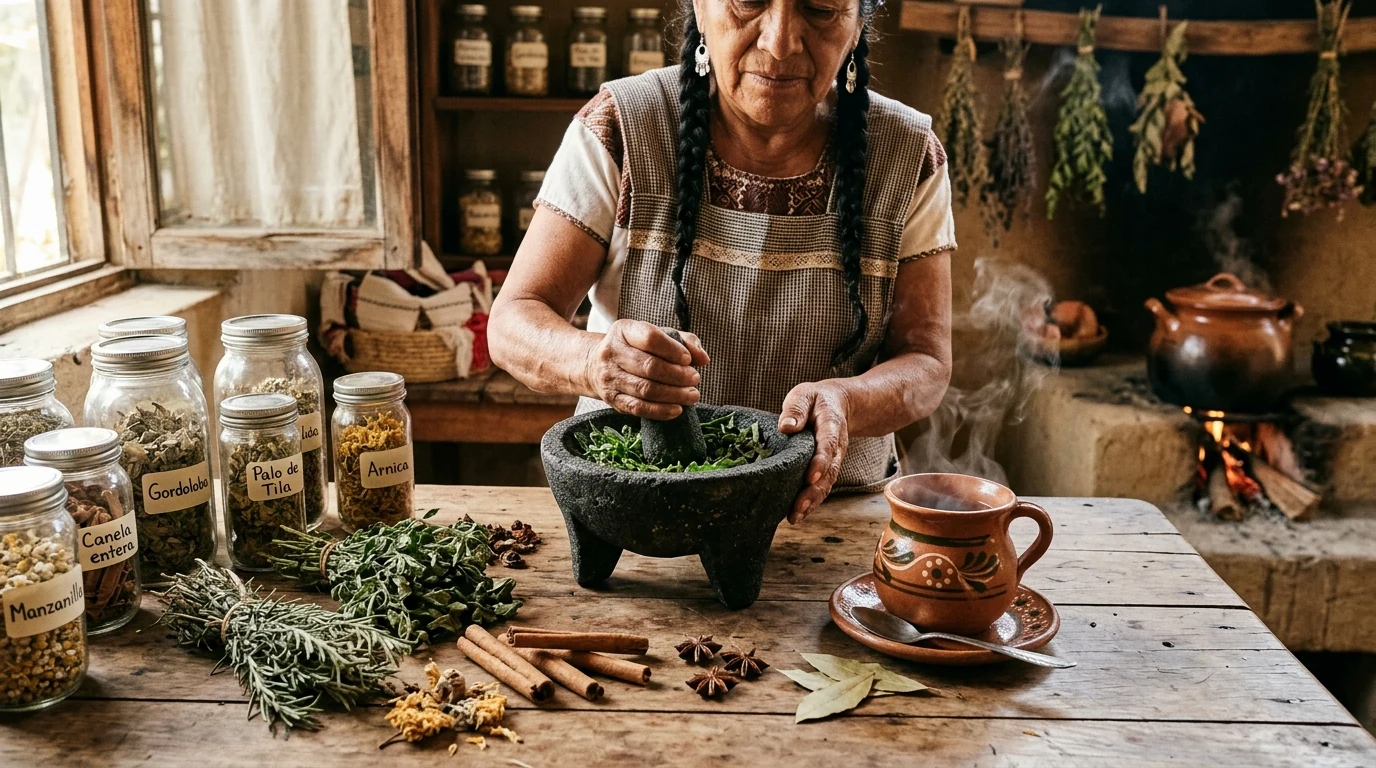
Traditional Herbals vs. Modern Guides: Comparing Sources and Choosing Reliable Resources
The evolution of Mexican herbalism is mirrored in its literature, transitioning from sacred ancestral knowledge to empirical scientific analysis. Early Indigenous codices and colonial manuscripts, such as the Libellus de Medicinalibus Indorum Herbis, serve as invaluable historical archives, blending Mesoamerican wisdom with European botanical frameworks. In contrast, popular remedy collections often prioritize anecdotal success, offering accessible but sometimes unverified domestic applications.
Modern scientific monographs represent the current gold standard, synthesizing ethnobotanical field studies with pharmacological validation. While traditional texts provide the cultural soul and historical context of a plant, contemporary guides offer the safety protocols and dosage precision required for modern health standards.
To navigate today’s vast library of herbalism, readers should apply the following criteria to ensure reliability:
- Academic Rigor: Prioritize sources authored by botanists, pharmacologists, or recognized ethnobotanists.
- Cross-Referencing: Trust books that reconcile traditional usage with peer-reviewed clinical data.
- Botanical Precision: Ensure the text uses binomial nomenclature (Latin names) to avoid dangerous species misidentification.
- Ethical Sourcing: Favor authors who acknowledge Indigenous intellectual property and promote sustainable harvesting.
¿Deseas profundizar en Historia de los libros de herbolaria mexicana: evolución y tendencias?
Consulta la selección de libros oficiales, manuales de botica y hierbas auténticas disponibles en Amazon con envío prioritario:
Check Prices and Deals on Amazon ↗Frequently Asked Questions about Mexican Herbalism Books
What is the oldest known Mexican herbal book?
The earliest surviving herbal manuscript is the Codex Cruz-Badianus (also called the Libellus de Medicinalibus Indorum Herbis), created in 1552 by Indigenous authors Martín de la Cruz and Juan Badiano. It records Aztec medicinal plants, symptoms, and remedies in Nahuatl and Latin, making it the first written bridge between Indigenous herbal knowledge and European medicine.
How has modern science changed Mexican herbal literature?
Modern Mexican herbal books increasingly combine traditional ethnobotanical knowledge with botanical identification, phytochemistry, clinical studies, dosage guidelines, and safety warnings. This shift helps readers move beyond empirical recipes toward safe, effective, and evidence-informed use of native medicinal plants.