Libros de herbolaria mexicana para bibliotecas universitarias


Key Summary: Prioritize peer-reviewed ethnobotanical texts and official pharmacopeias. Focus on titles integrating indigenous knowledge with rigorous pharmacological validation. Essential acquisitions should include comprehensive monographs on Mexican flora and scholarly surveys of traditional medicine to ensure academic reliability and cultural sensitivity within university botanical collections.
Why University Libraries Need a Dedicated Mexican Herbalism Collection
The integration of a specialized Mexican herbalism collection within university libraries is not merely an act of cultural preservation, but a strategic academic necessity. Mexican traditional medicine represents a sophisticated intersection of ethnobotany, pharmacy, anthropology, and clinical medicine, offering a vast repository of indigenous knowledge systems that have evolved over millennia.
For modern researchers and students, these collections serve as critical primary sources for interdisciplinary study. By housing dedicated texts on Mexican flora and traditional healing practices, universities facilitate a deeper understanding of:
- Pharmacological Innovation: Exploring the biochemical properties of native plants to inform contemporary drug discovery.
- Cultural Anthropology: Documenting the socio-cultural frameworks and oral traditions of indigenous communities.
- Sustainable Ecology: Studying the relationship between biodiversity and traditional land stewardship.
"Preserving herbalist literature is essential for bridging the gap between ancestral wisdom and evidence-based science, ensuring that indigenous intellectual property is recognized and respected in academic discourse."
Ultimately, a dedicated collection empowers institutions to foster a more inclusive pedagogical approach, transforming the library into a hub for holistic research and the safeguarding of intangible cultural heritage.
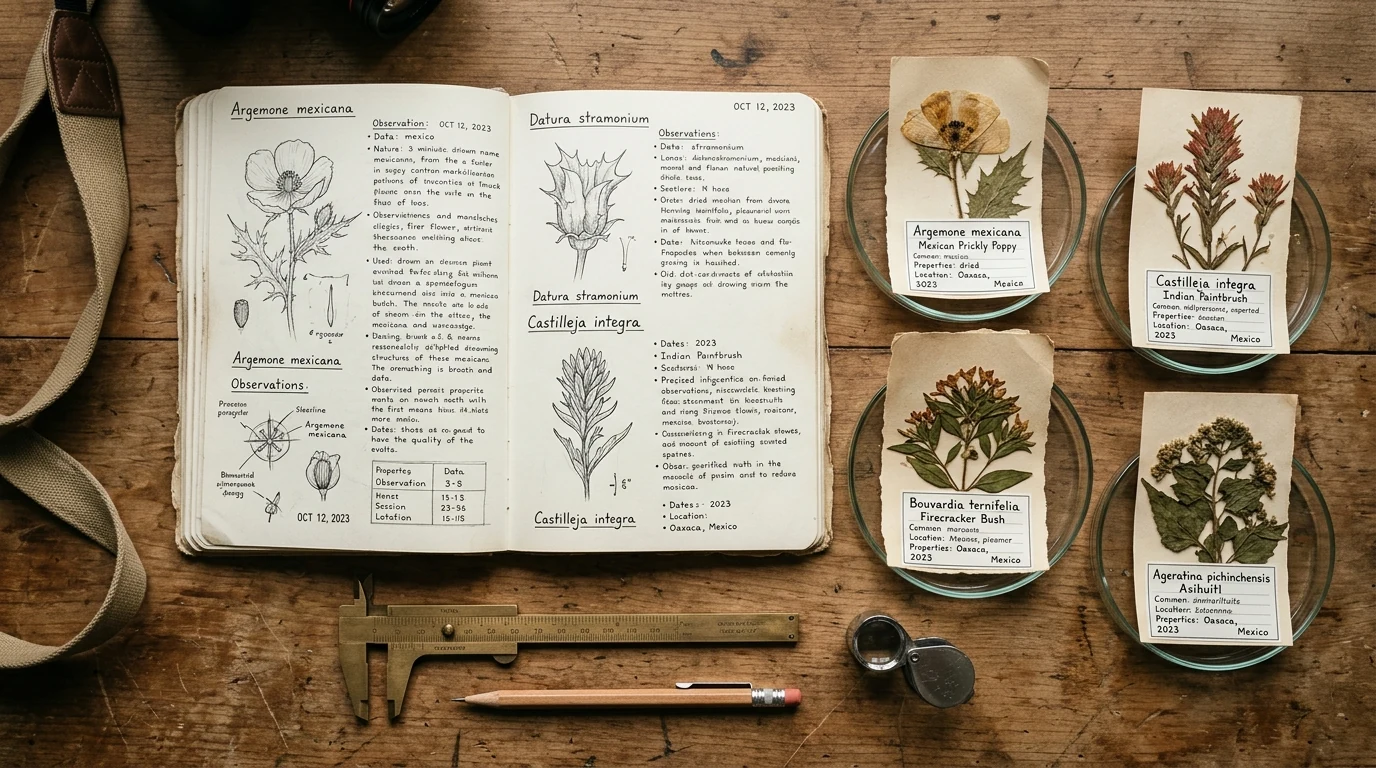
How to Select Authoritative Mexican Herbalism Books for Academic Collections
Curating a scholarly collection on Mexican herbalism requires a rigorous transition from folk tradition to academic evidence. To ensure these resources support university-level research, acquisitions must prioritize scientific validity over anecdotal claims.
Implement the following selection framework to evaluate potential acquisitions:
- Botanical and Taxonomic Precision: Prioritize texts that utilize current binomial nomenclature (Latin names) and provide detailed morphological descriptions to prevent misidentification.
- Safety and Pharmacological Data: Essential volumes must include evidence-based dosage guidelines, contraindications, and toxicity reports to meet institutional safety standards.
- Ethnobotanical Context: Select works that document the cultural provenance of medicinal knowledge, respecting indigenous intellectual property and providing socio-historical context.
- Authoritative Credentials: Verify that authors hold advanced degrees in botany, pharmacology, or anthropology, and that the content is supported by peer-reviewed citations.
- Curricular Alignment: Ensure the material complements existing programs in medicine, biology, or sociology, bridging the gap between traditional knowledge and modern science.
The goal is to acquire a balanced bibliography where traditional Mexican wisdom is validated by rigorous botanical standards and academic scrutiny.
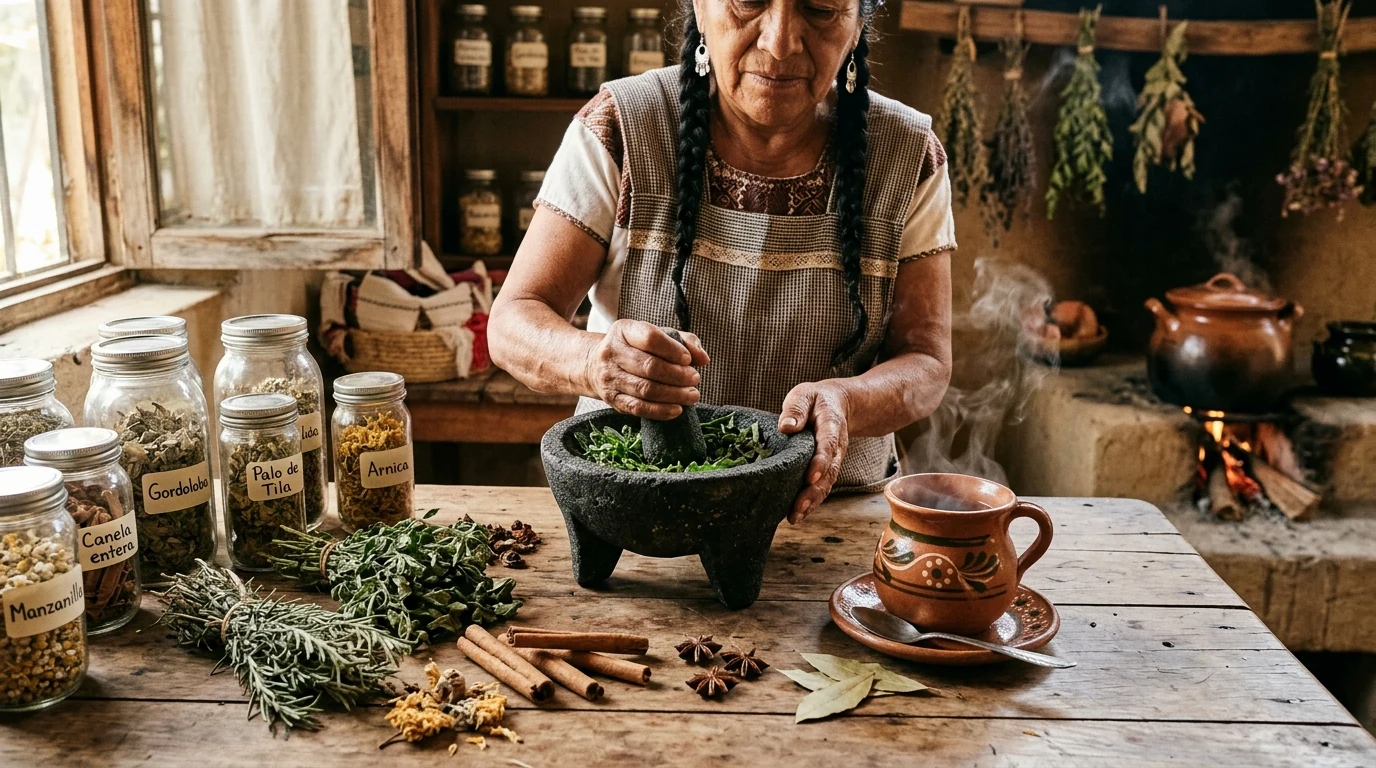
Print, Digital, and Institutional Resources Compared
Building a comprehensive collection of Mexican herbal medicine requires a strategic equilibrium between historical depth and contemporary scientific rigor. While core reference books—such as foundational ethnobotanical surveys—provide indispensable taxonomic stability and cultural context, they often lack the real-time updates found in modern phytotherapy texts, which prioritize pharmacological evidence and clinical safety.
To optimize budget and accessibility, libraries should integrate these physical assets with a tiered digital strategy:
- Digital Databases & E-books: Essential for rapid cross-referencing and remote access, offering scalable growth without physical shelf constraints.
- Institutional Repositories: High-value sources for localized theses and regional botanical studies that are often unavailable through commercial vendors.
- Curated Publishers: Prioritizing academic presses and specialized botanical vendors ensures that acquisitions meet peer-reviewed standards.
The ideal collection does not choose between formats but leverages them: print for archival permanence, digital for agility, and institutional archives for specialized regional knowledge.
By balancing these resources, university libraries can provide a robust ecosystem that supports both traditional wisdom and modern pharmaceutical research.
¿Deseas profundizar en Libros de herbolaria mexicana para bibliotecas universitarias?
Consulta la selección de libros oficiales, manuales de botica y hierbas auténticas disponibles en Amazon con envío prioritario:
Check Prices and Deals on Amazon ↗Frequently Asked Questions about Mexican Herbalism Books
What criteria should librarians use to select Mexican herbalism books?
Prioritize works with verified botanical taxonomy, clear safety and dosage information, documented ethnobotanical use, credentials in pharmacy, botany, or ethnomedicine, peer-reviewed or institutional backing, and respectful representation of traditional knowledge.
Which Mexican herbalism titles are essential for university libraries?
Core acquisitions typically include classic references such as Maximino Martínez’s works on Mexican medicinal plants, the Farmacopea Herbolaria de los Estados Unidos Mexicanos, and contemporary ethnobotanical or phytotherapy texts that combine traditional use with modern clinical evidence; selections should match local academic programs in pharmacy, medicine, anthropology, and biology.