Libros de herbolaria mexicana para cocineros profesionales
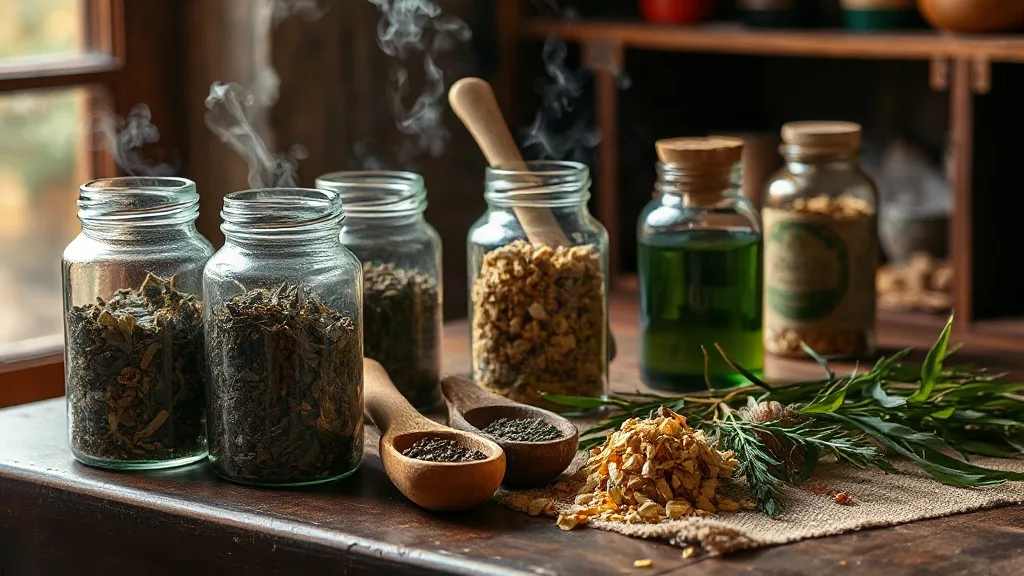

Key Summary: For professional chefs, prioritize rigorous botanical guides and culinary ethnobotany. Focus on titles blending scientific taxonomy with gastronomic application. While specific "Mexican herbalism" cookbooks are rare, combining academic flora manuals with regional indigenous cookbooks ensures a precise, safe, and innovative approach to native ingredients.
Why Professional Chefs Need a Structured Guide to Mexican Herbalism
Mexican cuisine is deeply rooted in the symbiotic relationship between gastronomy and ancestral medicine. However, for the modern professional chef, there is often a precarious gap between traditional folk knowledge and the rigorous demands of a commercial kitchen. Relying on anecdotal evidence or vague descriptions can lead to inconsistency in flavor profiles and, more critically, safety risks.
To bridge this divide, a structured botanical guide is essential. Professional kitchens operate on precision; therefore, integrating medicinal herbs requires more than intuition—it demands botanical accuracy and a standardized approach to sourcing and application. A professional framework ensures that chefs can:
- Guarantee Safety: Distinguish between edible varieties and toxic look-alikes through precise botanical identification.
- Optimize Potency: Understand the chemical properties of herbs to preserve active compounds and flavor integrity during high-heat processes.
- Elevate Innovation: Move beyond cliché ingredients to discover forgotten species that offer unique organoleptic properties.
"The transition from 'traditional use' to 'culinary application' requires a bridge of scientific rigor to ensure that every plate is as safe as it is soulful."
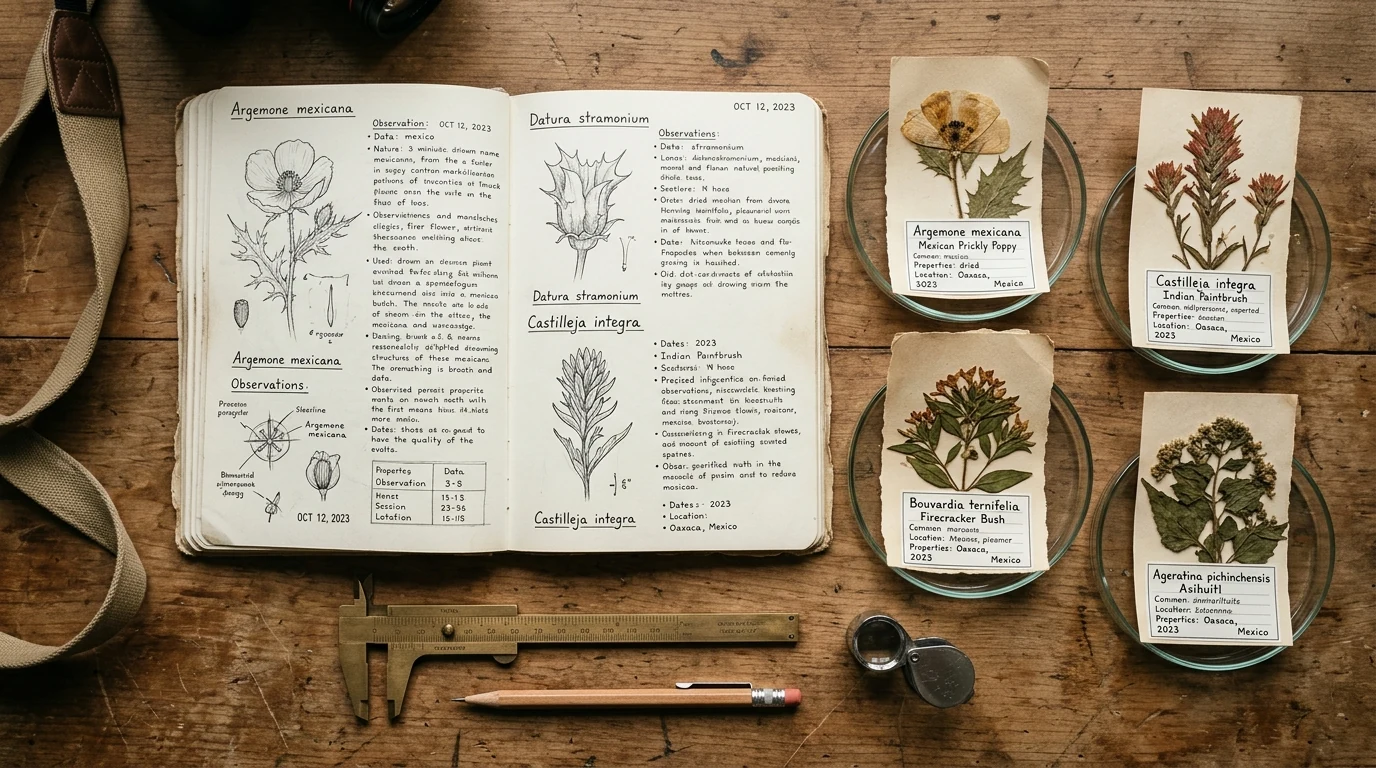
Key Medicinal Herbs in Mexican Cuisine and How to Use Them in the Kitchen
Integrating Mexican medicinal herbs into professional gastronomy requires a balance between therapeutic potency and sensory harmony. For the modern chef, these botanicals are not merely seasonings but active ingredients capable of enhancing both the nutritional profile and the digestive experience of a dish.
- Epazote: Recognized by its pungent, resinous aroma. Rich in ascaridoles, it is essential for reducing flatulence in legumes. Application: Add whole sprigs to black bean stews during the final 10 minutes of simmering.
- Hoja Santa: A heart-shaped leaf with anise-like notes and calming properties. Application: Use as a wrap for fish or blend into creamy sauces for a sophisticated, herbal depth.
- Mexican Oregano: More citrusy and potent than Mediterranean varieties, containing high levels of carvacrol. Application: Infuse into oils or rub onto proteins before roasting to aid digestion.
- Pasiflora (Passionflower): Known for its sedative alkaloids. Application: Best utilized in infusions or syrups for dessert menus to promote relaxation.
Chef's Principle: To preserve volatile active compounds, incorporate delicate herbs at the end of the cooking process or use low-temperature infusions.
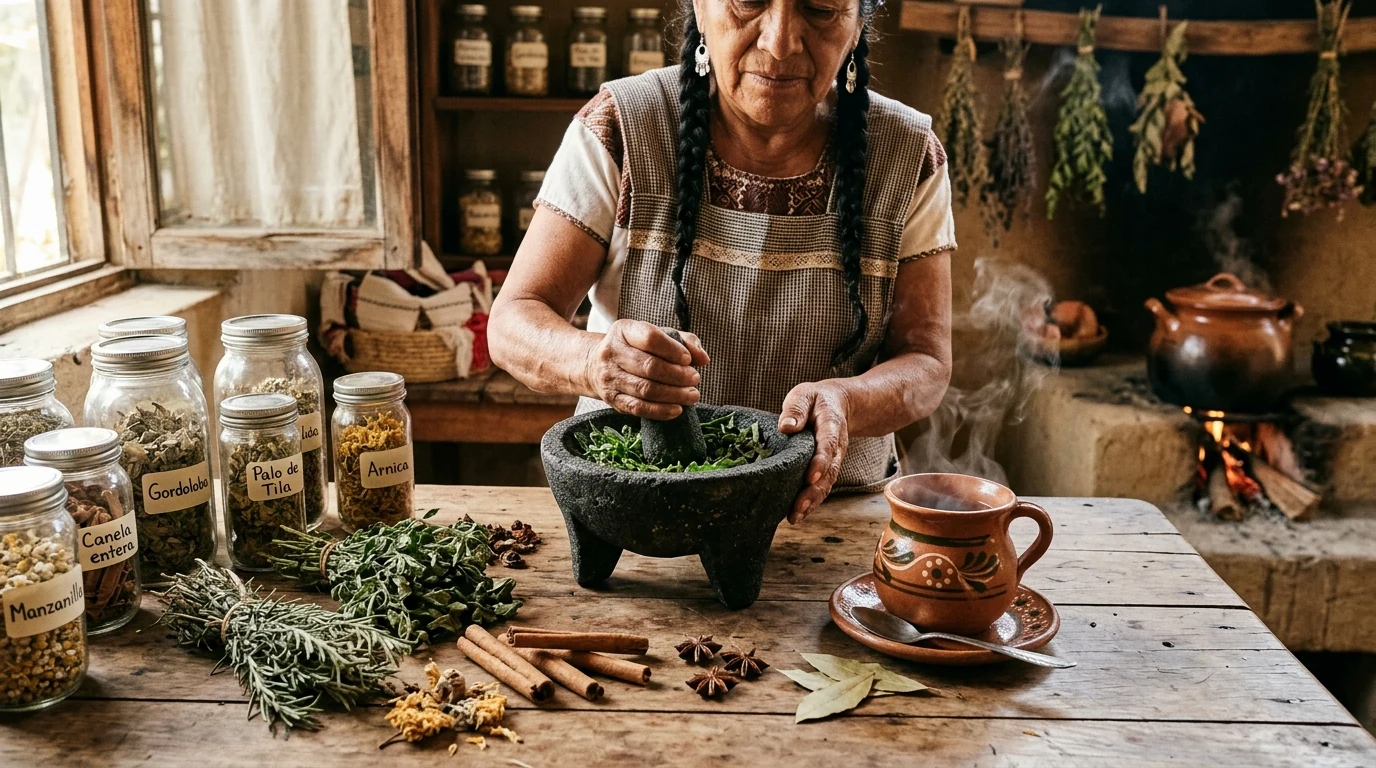
Explicación detallada sobre compares leading mexican herbalism books by depth, scientific rigor, recipe integration, and chef-friendly format, ending with a shortlist of recommended titles and additional trusted resources for ongoing learning....
¿Deseas profundizar en Libros de herbolaria mexicana para cocineros profesionales?
Consulta la selección de libros oficiales, manuales de botica y hierbas auténticas disponibles en Amazon con envío prioritario:
Check Prices and Deals on Amazon ↗Frequently Asked Questions about Mexican Herbalism Books
What should a professional chef look for in a Mexican herbalism book?
Look for botanical identification guides, evidence-based dosage information, clear safety warnings, culinary applications, and references to traditional Mexican ethnobotany paired with modern phytotherapy.
How can medicinal herbs be safely incorporated into a professional Mexican menu?
Start with herbs recognized as food-safe in culinary quantities, verify contraindications, document sourcing and preparation methods, train staff on correct usage, and avoid therapeutic medical claims on the menu.