Libros de herbolaria mexicana para estudiantes de biología
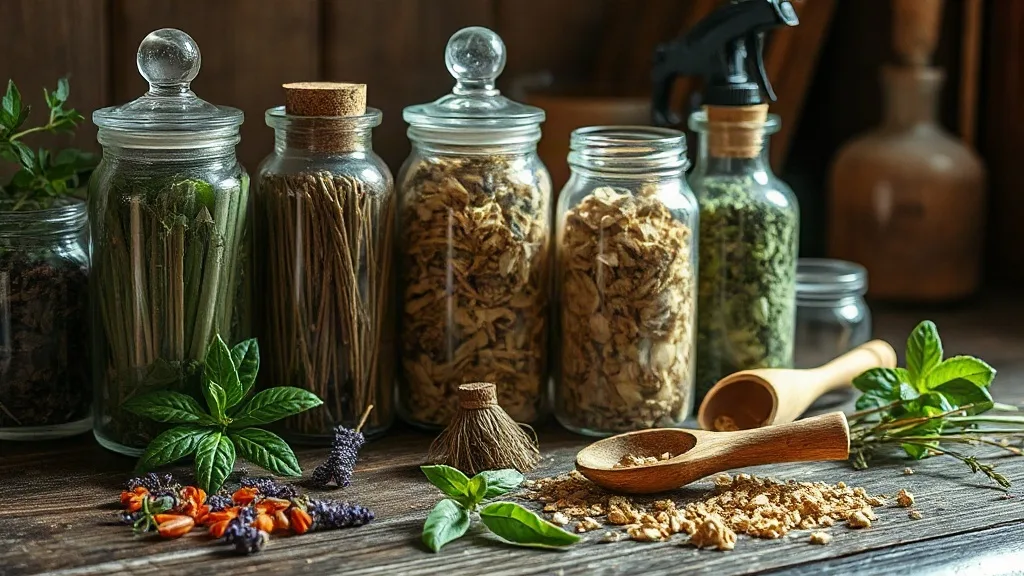

Key Summary: For biology students, prioritize the Flora de México for taxonomic rigor, paired with Libros de Herbolaria for ethnobotanical context. Blend scientific classification with ancestral wisdom to master Mexican biodiversity. Focus on verified monographs to bridge the gap between traditional healing and modern botanical science.
Why Biology Students Need Specialized Mexican Herbalism Books
While academic botany provides the structural foundation of plant science, a significant gap often exists between theoretical taxonomy and the practical application of folk herbalism. For biology students, relying solely on general textbooks can overlook the nuanced ethnobotanical wisdom embedded in Mexican culture. Specialized herbalism texts bridge this divide, transforming anecdotal tradition into rigorous scientific inquiry.
Integrating these specialized resources allows students to move beyond simple classification and delve into the pharmacological complexities of native flora. High-quality texts provide critical frameworks for:
- Precise Botanical Identification: Distinguishing between therapeutic species and toxic look-alikes through morphological rigor.
- Phytochemical Analysis: Understanding the specific active compounds and secondary metabolites that drive biological effects.
- Safe Dosage & Toxicology: Learning the precise thresholds between a medicinal dose and a toxic reaction.
- Evidence-Based Validation: Applying the scientific method to validate traditional uses through clinical data and peer-reviewed research.
By synthesizing ancestral knowledge with modern laboratory standards, biology students evolve from passive observers of nature into skilled practitioners capable of advancing sustainable pharmacology and biodiversity conservation.
Key Books and Authors Every Biology Student Should Know
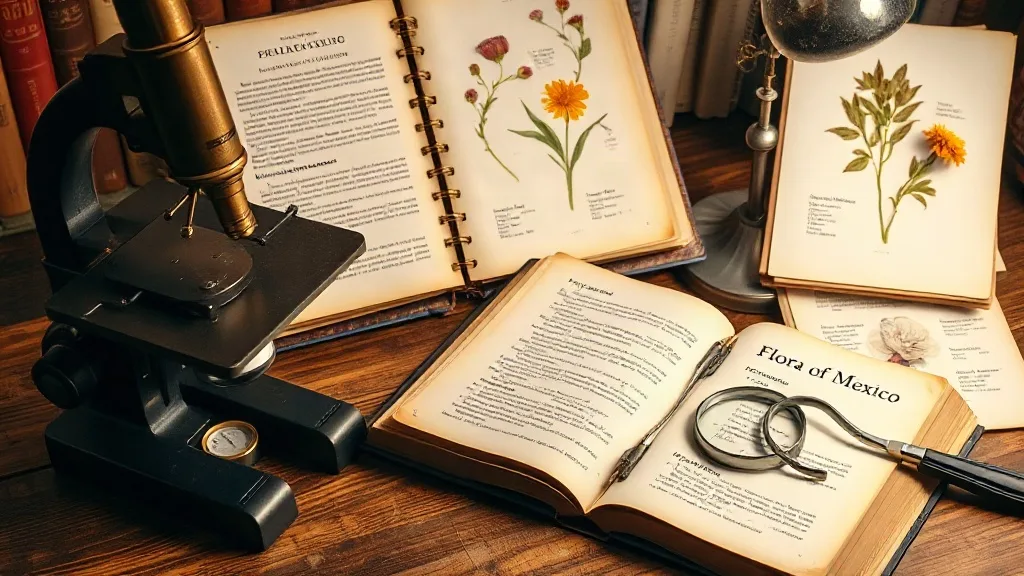
Mastering Mexican herbalism requires a multidisciplinary approach, blending rigorous botanical taxonomy with the ancestral wisdom of ethnobotany. For biology students, the transition from academic theory to field application is best achieved through a curated progression of literature that bridges the gap between laboratory science and traditional pharmacognosy.
Depending on your current level of expertise, we recommend the following essential titles:
- Beginner: Start with "Plantas Medicinales de México" by Juan Carlos Uansey. This serves as an accessible introduction to identification and basic therapeutic properties, ideal for those establishing their foundational vocabulary.
- Intermediate: Transition to the works of Alwyn Gentry and specialized ethnobotanical atlases. These texts provide deeper insights into phytogeography and the chemical constituents of endemic species, essential for understanding biodiversity.
- Advanced: Dive into comprehensive pharmacognosy manuals and integrative texts that analyze the synergistic effects of alkaloids and flavonoids. Focus on peer-reviewed monographs that validate traditional uses through modern pharmacological assays.
"The integration of traditional knowledge and biological rigor is the only path toward a sustainable and scientifically sound understanding of Mexico's botanical wealth."
How to Choose the Right Herbalism Book for Your Biology Course or Research
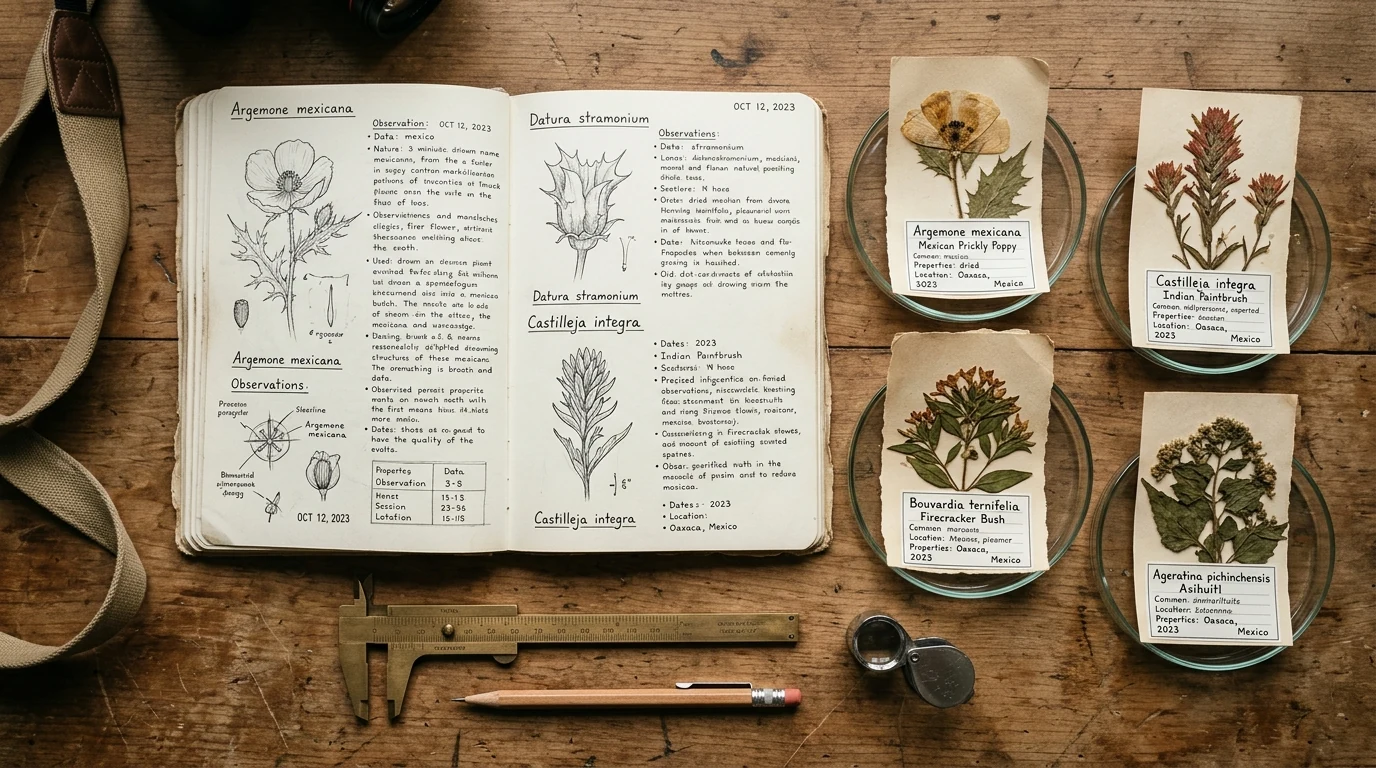
Selecting the ideal herbalism text requires aligning the book's objective with your academic goals. For biology students, the distinction between taxonomic scope and therapeutic application is critical. If your research focuses on botany or systematics, prioritize manuals that emphasize morphological descriptions and phylogenetic classification. Conversely, if your study centers on ethnobotany or pharmacology, seek texts that detail bioactive compounds and traditional medicinal uses.
To ensure scientific rigor, evaluate the following criteria before purchasing:
- Scientific Depth: Distinguish between anecdotal guides and peer-reviewed academic texts that provide chemical analysis and clinical references.
- Regional Focus: Ensure the content is specific to Mexican flora, as botanical properties vary significantly across geographical zones.
- Practical Features: High-quality botanical illustrations are indispensable for field identification, while comprehensive indexes and standardized citation formats are essential for academic referencing.
A high-quality reference should bridge the gap between ancestral knowledge and modern biological science, providing a verifiable framework for both laboratory research and field study.
¿Deseas profundizar en Libros de herbolaria mexicana para estudiantes de biología?
Consulta la selección de libros oficiales, manuales de botica y hierbas auténticas disponibles en Amazon con envío prioritario:
Check Prices and Deals on Amazon ↗Frequently Asked Questions about Mexican Herbalism Books
What makes a Mexican herbalism book suitable for biology students rather than general readers?
It combines botanical taxonomy, morphological descriptions, phytochemistry, and ethnobotanical context with verifiable sources, making it useful for coursework and research.
Do these books cover safety and dosage, or just plant identification?
The best titles include both accurate botanical identification and sections on active principles, traditional uses, contraindications, and dosage frameworks, though students should always cross-check with peer-reviewed literature.