Libros de herbolaria mexicana para estudiantes de gastronomía
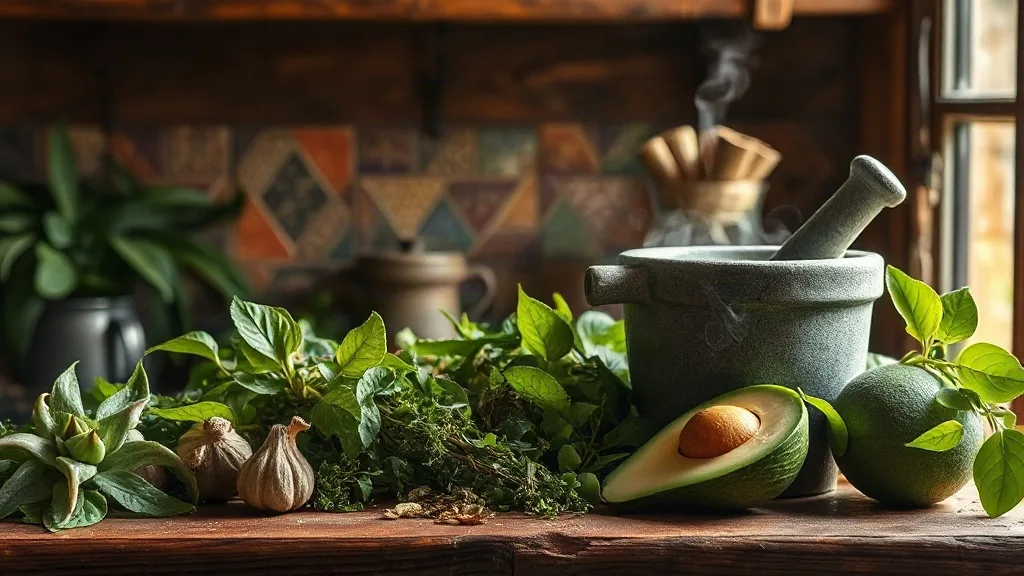

Key Summary: For gastronomy students, prioritize The Flora of Mexico for botanical rigor and specialized regional guides on edible wild plants. Focus on texts blending ethnobotany with culinary application to master sustainable sourcing, flavor profiles, and the ancestral heritage of Mexican herbs with professional precision.
Why Gastronomy Students Should Study Mexican Herbalism
For the modern chef, mastery extends beyond technique; it lies in the ability to evoke emotion and heritage through flavor. Studying Mexican herbalism allows gastronomy students to transcend standard seasoning, unlocking a sophisticated palette of aromatic and medicinal plants that redefine flavor profiling. By integrating ancestral botanical knowledge, chefs can transform a simple dish into a narrative, utilizing menu storytelling to connect diners with Mexico’s rich biodiversity and cultural identity.
Beyond aesthetics, this study fosters a commitment to sustainable sourcing. Understanding the lifecycle and ecology of native herbs encourages the use of hyper-local ingredients, reducing carbon footprints and supporting regional biodiversity. However, the bridge between tradition and the kitchen must be built on precision. A formal study of herbalism ensures that students move beyond folklore toward evidence-informed practices, prioritizing safety and toxicity awareness in culinary applications.
- Enhanced Complexity: Discovering nuanced bitter, floral, and earthy notes.
- Cultural Stewardship: Preserving indigenous knowledge through contemporary plating.
- Responsible Innovation: Balancing creative experimentation with botanical safety and sustainability.
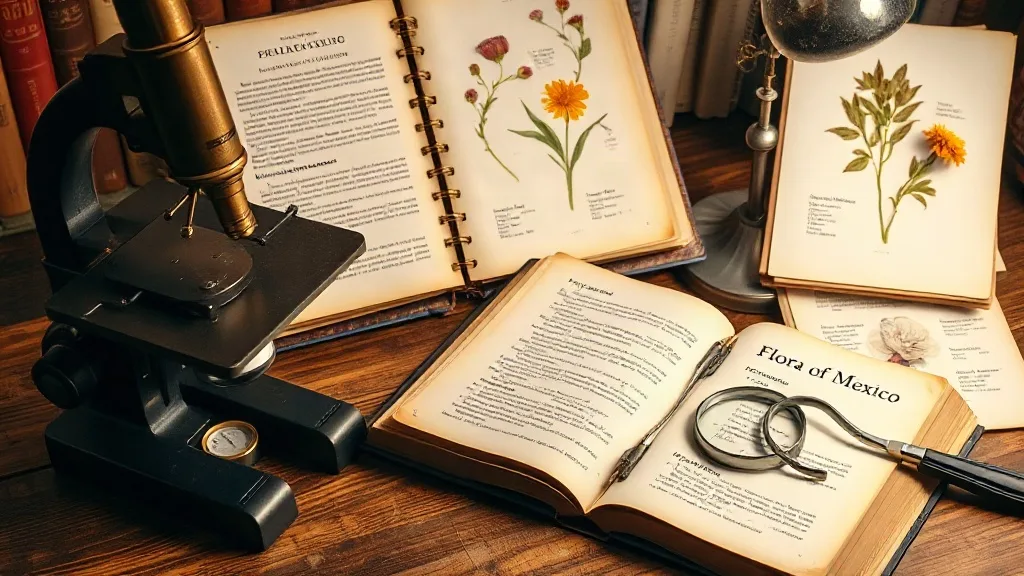
Explicación detallada sobre introduces essential native herbs—such as epazote, hoja santa, mexican oregano, and pasilla de oaxaca—covering botanical identification, aroma and flavor, safe culinary dosages, and simple infusion or seasoning techniques....
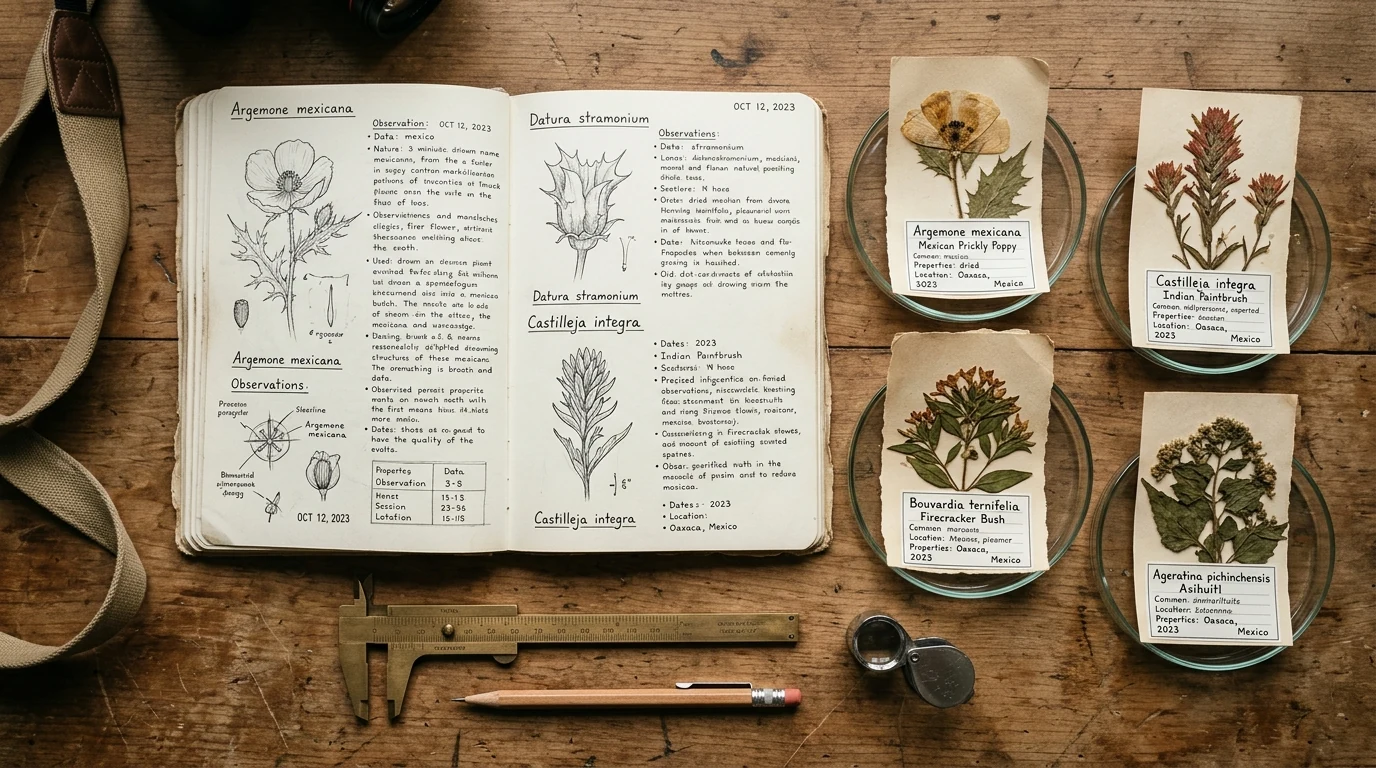
Top Books and Resources Compared for Culinary Learners
For gastronomy students, selecting the right herbalism guide is the difference between simply following a recipe and mastering the alchemy of flavor. While many texts exist, the ideal culinary resource must balance botanical rigor with practical kitchen application.
To help you navigate your library, we have categorized the leading resources based on their pedagogical strengths:
- Comprehensive Encyclopedias: Best for those seeking botanical accuracy and taxonomic depth. These are essential for identifying wild species and understanding the chemical properties of Mexican flora.
- Recipe-Driven Manuals: Ideal for immediate application. These focus on infusions, tinctures, and seasoning, prioritizing flavor profiles and culinary techniques over theoretical botany.
- Student-Friendly Guides: Designed for rapid learning, these resources utilize visual aids, comparison charts, and simplified dosage guides, making them perfect for high-pressure kitchen environments.
"The bridge between traditional Mexican herbalism and modern gastronomy lies in the precision of the source. Choosing a guide that prioritizes both safety and sensory impact is paramount for any aspiring chef."
Whether you prioritize scientific depth or practical execution, selecting a resource that aligns with your current skill level will accelerate your mastery of Mexico's rich botanical heritage.
¿Deseas profundizar en Libros de herbolaria mexicana para estudiantes de gastronomía?
Consulta la selección de libros oficiales, manuales de botica y hierbas auténticas disponibles en Amazon con envío prioritario:
Check Prices and Deals on Amazon ↗Frequently Asked Questions about Mexican Herbalism Books
What skills will gastronomy students gain from Mexican herbalism books?
Students learn to identify native herbs, understand their culinary and traditional uses, dose them safely, and create authentic, plant-forward dishes rooted in Mexican food culture.
How do I choose the right Mexican herbalism book for culinary school?
Look for books that combine botanical accuracy with practical kitchen applications, include clear identification guides, safety notes, and recipes relevant to modern Mexican gastronomy.