Libros de herbolaria mexicana para museos y centros culturales
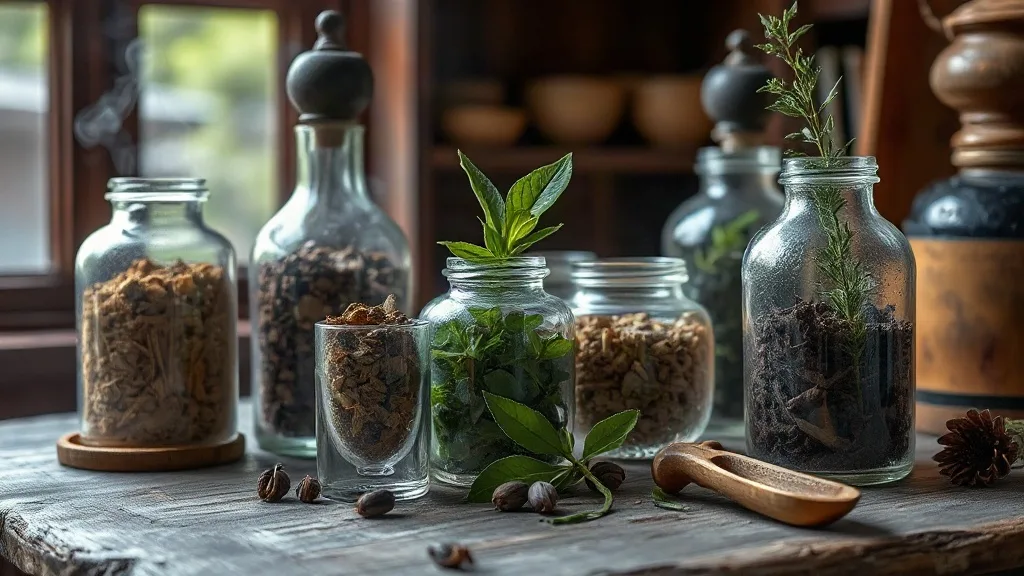
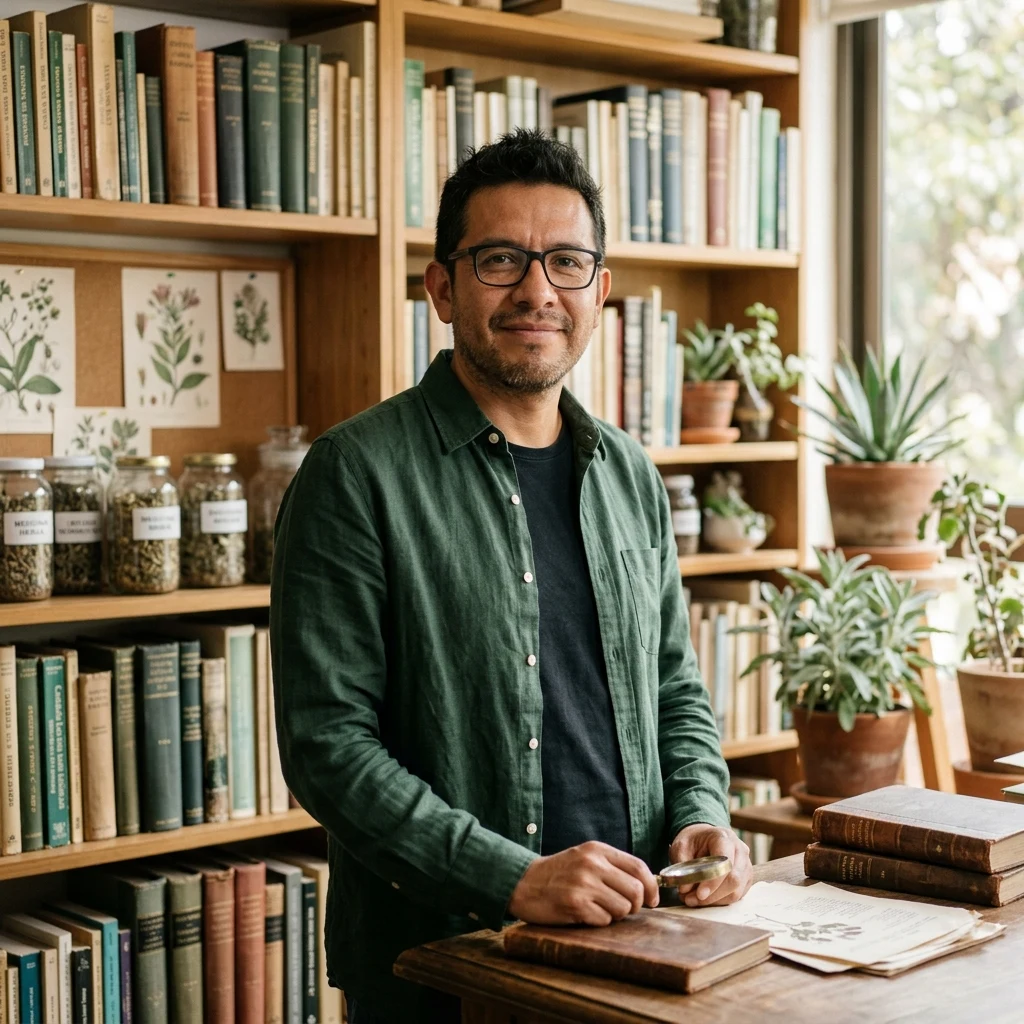
Key Summary: For museums and cultural centers, prioritize authoritative botanical guides and ethnobotanical studies. Focus on titles that blend rigorous scientific classification with ancestral Mexican knowledge. These resources ensure an accessible yet scholarly approach to showcasing Mexico's rich herbal heritage, balancing cultural storytelling with academic precision for diverse audiences.
Why Museums and Cultural Centers Need Specialized Mexican Herbalism Libraries
For museums and cultural centers, the integration of specialized Mexican herbalism libraries is not merely an academic addition, but an ethical imperative. Traditional botanical knowledge is often fragile, passed down through oral traditions that risk erasure. By curating authoritative, culturally grounded texts, institutions transform from passive exhibitors into active guardians of Indigenous intellectual property.
A rigorous library serves as the essential foundation for public programming, ensuring that interpretations are rooted in authenticity rather than folklore. This scholarly rigor is critical to:
- Preventing Appropriation: Distinguishing between sacred traditional use and commercial trends to avoid the commodification of ancestral wisdom.
- Combatting Misinformation: Providing verified botanical data to prevent the spread of dangerous or inaccurate health claims in public exhibits.
- Ethical Interpretation: Ensuring that the narratives presented honor the original stewards of the knowledge, providing proper attribution to specific ethnic groups and regions.
"Accurate documentation is the bridge between mere curiosity and true cultural preservation, turning a gallery visit into an act of historical justice."
Ultimately, these libraries empower curators to lead conversations that respect the profound intersection of biodiversity, spirituality, and Mexican identity.
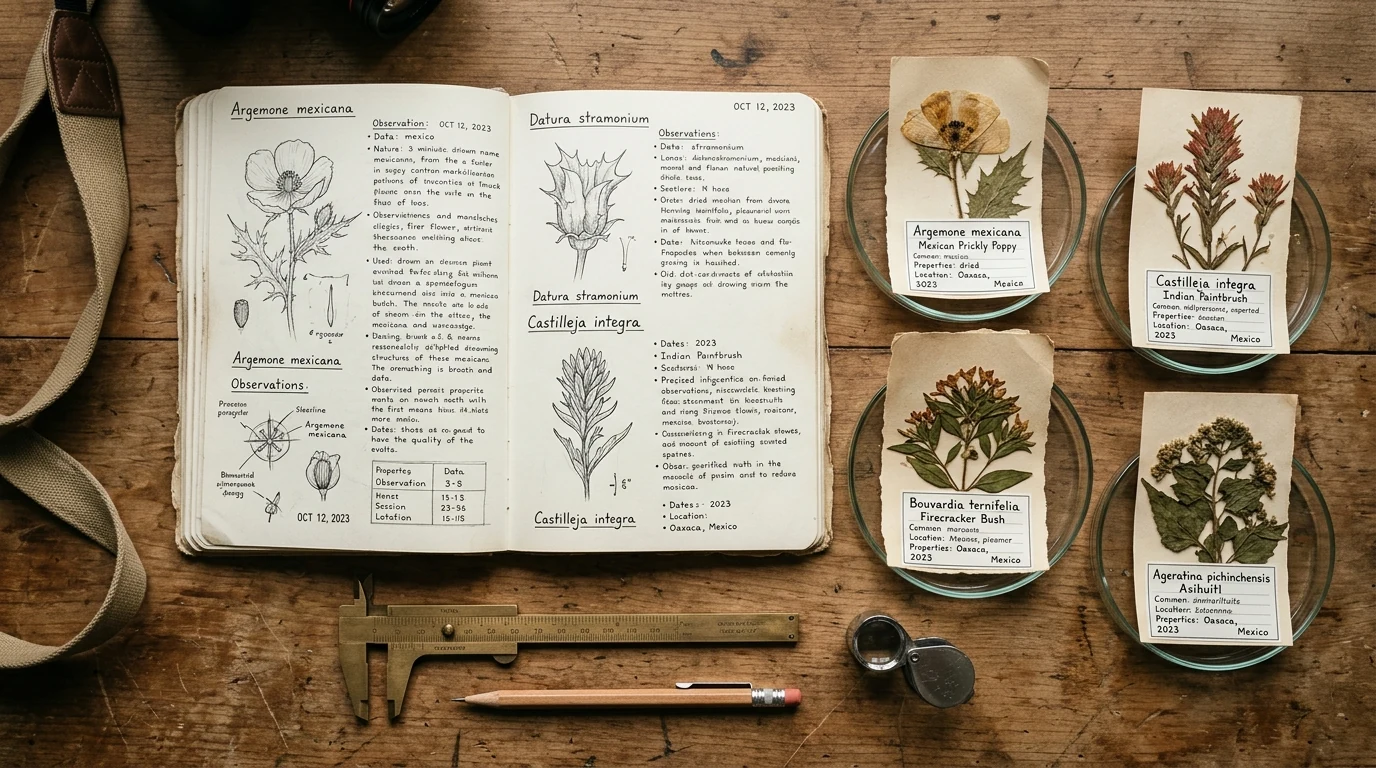
Essential Mexican Herbalism Books for Exhibitions, Education, and Public Programs
Curating a library for museums and cultural centers requires a strategic balance between rigorous scientific data and accessible storytelling. To build a comprehensive resource center, we recommend a tiered reading list organized by institutional objective:
- Botanical Identification: Begin with authoritative field guides and floras of Mexico. These are indispensable for curators ensuring taxonomic accuracy in botanical displays and living exhibits.
- Ethnobotanical History: Integrate seminal works on Mesoamerican medicine, such as the Libellus de Medicinalibus Indorum Herbis (Badianus Manuscript), to provide visitors with a historical trajectory of indigenous knowledge.
- Therapeutic Applications: For educational workshops, select pharmacopeias that bridge the gap between traditional ancestral wisdom and contemporary pharmacology, emphasizing sustainable harvesting.
- Visitor-Friendly Introductions: Incorporate illustrated compendiums and children's books that simplify complex ecological relationships, making the magic of Mexican flora accessible to diverse audiences.
"Integrating these diverse perspectives transforms a simple collection of books into a dynamic educational tool, fostering a deeper public appreciation for Mexico's biocultural heritage."
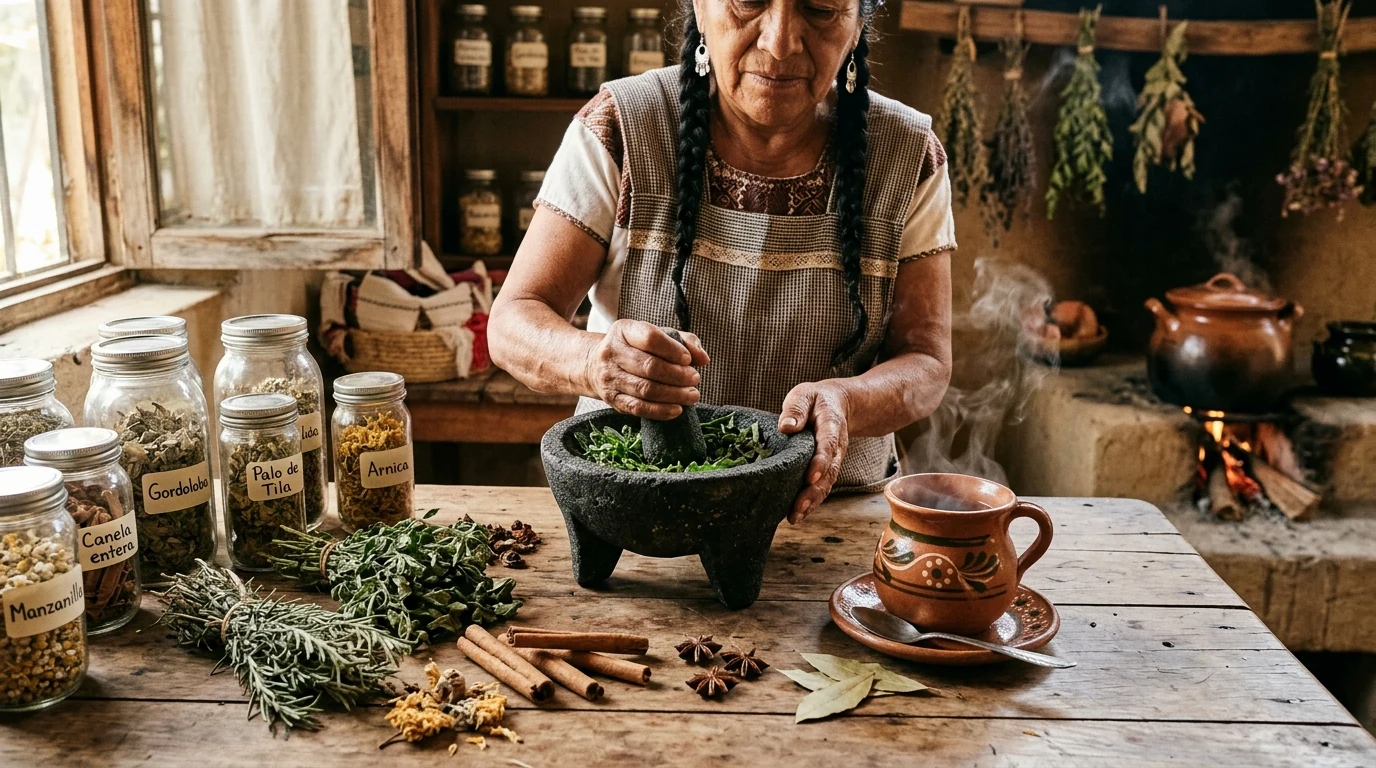
How to Choose, Display, and Use Herbalism Books in Cultural Spaces
Curating a collection of Mexican herbalism books requires a strategic balance between academic rigor and accessibility. To create a comprehensive resource, cultural spaces should integrate three distinct categories of literature:
- Scholarly Works: Essential for historical context and botanical taxonomy, focusing on peer-reviewed research and archival codices.
- Practical Manuals: User-centric guides that detail preparation methods and traditional dosages for community health.
- Illustrated Herbals: Visually driven volumes that facilitate species identification and attract diverse audiences through botanical art.
Selection criteria must prioritize author credentials and scientific accuracy to avoid misinformation. It is crucial to select titles that reflect the regional diversity of Mexico—distinguishing, for example, the medicinal traditions of the Mayan southeast from the Nahua highlands—ensuring the collection is geographically representative.
The goal is to transform the bookshelf from a static display into a living bridge between ancestral wisdom and contemporary science, tailored to the specific curiosity of the visitor.
When displaying these works, pairing practical guides with scholarly texts encourages a dialogue between empirical tradition and academic validation, enhancing the educational value of the space.
¿Deseas profundizar en Libros de herbolaria mexicana para museos y centros culturales?
Consulta la selección de libros oficiales, manuales de botica y hierbas auténticas disponibles en Amazon con envío prioritario:
Check Prices and Deals on Amazon ↗Frequently Asked Questions about Mexican Herbalism Books
What makes a Mexican herbalism book suitable for a museum or cultural center?
A suitable book combines botanical accuracy, clear sourcing of traditional knowledge, respectful authorship or community collaboration, and accessible language for diverse visitors and educators.
How can cultural centers use these books responsibly in public programs?
Centers should pair book displays with contextual labels, consult local healers or ethnobotanists, avoid reducing herbalism to folklore, and clearly distinguish cultural knowledge from medical advice.