Libros de herbolaria mexicana para viajeros interesados en cultura mexicana
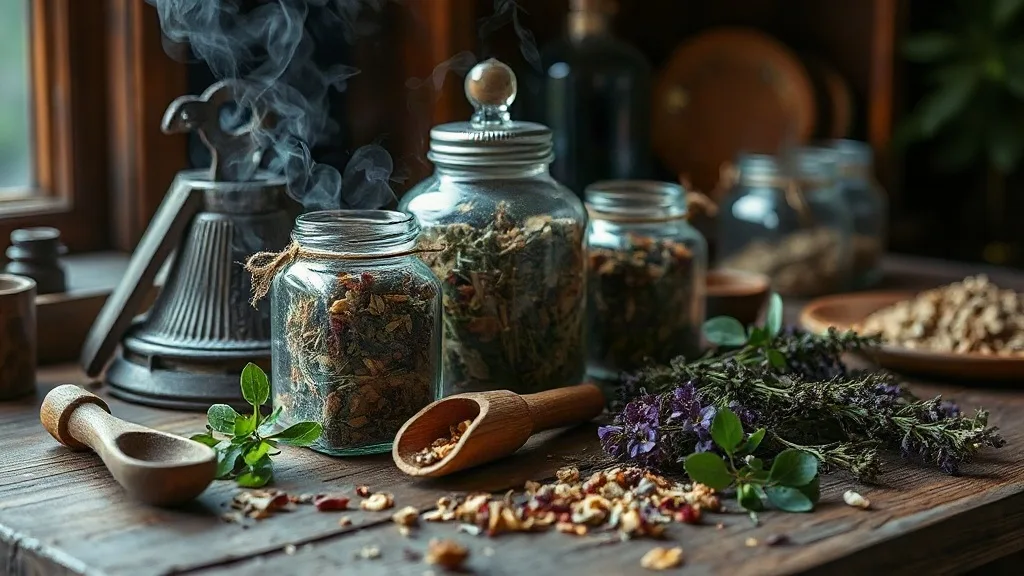
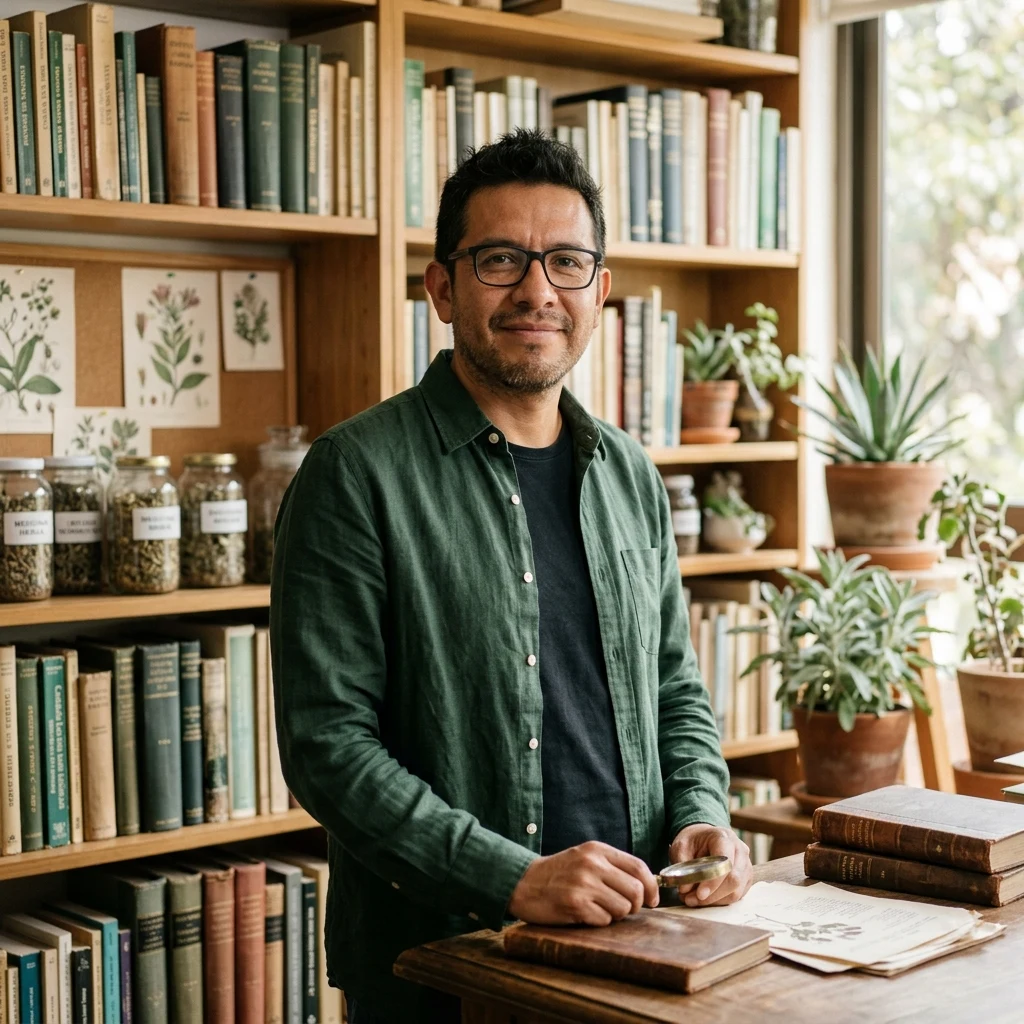
Key Summary: For travelers seeking cultural depth, prioritize the Flora de México series or guides by botanists like FasMRP. These resources blend rigorous scientific classification with ancestral knowledge, offering an accessible yet scholarly window into Mexico’s rich medicinal heritage and the spiritual essence of its native plants.
Why Mexican Herbalism Matters to Culture-Minded Travelers
For the conscious traveler, Mexico is more than a collection of landscapes; it is a living pharmacy. Traditional herbalism is not a relic of the past, but a vibrant thread woven into the fabric of daily life. From the aromatic hierbas simmering in a street-side caldo to the sprawling botanical chaos of a local mercado*, plant medicine defines the Mexican sensory experience.
Understanding this ancestral knowledge allows you to engage with the culture on a deeper level, recognizing that healing practices are inextricably linked to spirituality, festivals, and gastronomy. However, there is a vast difference between observing a ritual and comprehending its root.
"To walk through a Mexican market without knowing its plants is to read a book in a language you don't speak."
To move beyond superficial tourism, reliable guides are essential. High-quality books on Mexican herbalism provide the necessary context to:
- Distinguish between culinary herbs and potent medicinal remedies.
- Respect the indigenous wisdom and ethical sourcing of native species.
- Navigate the intersection of traditional curanderismo and modern wellness.
Equipped with the right knowledge, your journey transforms from simple sightseeing into a profound cultural immersion.
Essential Plants, Remedies, and Safety Basics Every Traveler Should Know
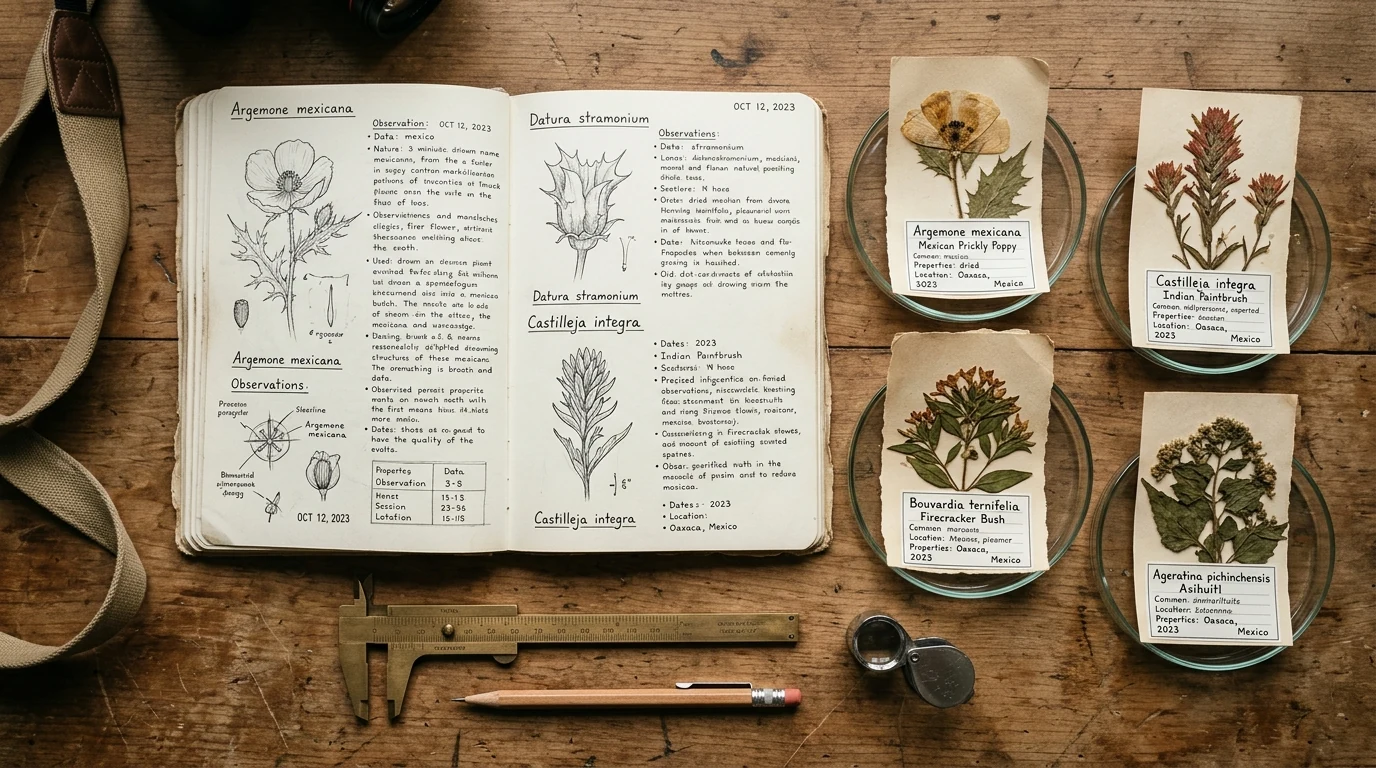
Exploring Mexico is as much a sensory journey as it is a cultural one. For the curious traveler, the landscape is a living pharmacy where ancestral wisdom meets botanical diversity. Understanding a few key species can deepen your connection to local traditions and provide natural support during your travels.
- Epazote: Essential for digestive health; its oils help reduce flatulence when cooking legumes.
- Hoja Santa: Known for its anise-like aroma, it is traditionally used to soothe respiratory congestion and inflammation.
- Damiana: A potent tonic from the Yucatán peninsula used to elevate mood and combat fatigue.
- Arnica: The gold standard for topical relief of bruises and muscle soreness after long treks.
Safety First: While nature provides, caution is paramount. Many plants contain potent active compounds that can interact with prescription medications or cause allergic reactions. Always verify dosages and source your herbs from reputable providers.
Herbalism is a complementary art, not a replacement for clinical medicine. If you experience severe symptoms or are pregnant, always consult a certified healthcare professional before integrating traditional remedies into your wellness routine.
Best Books and Resources to Read Before Your Trip
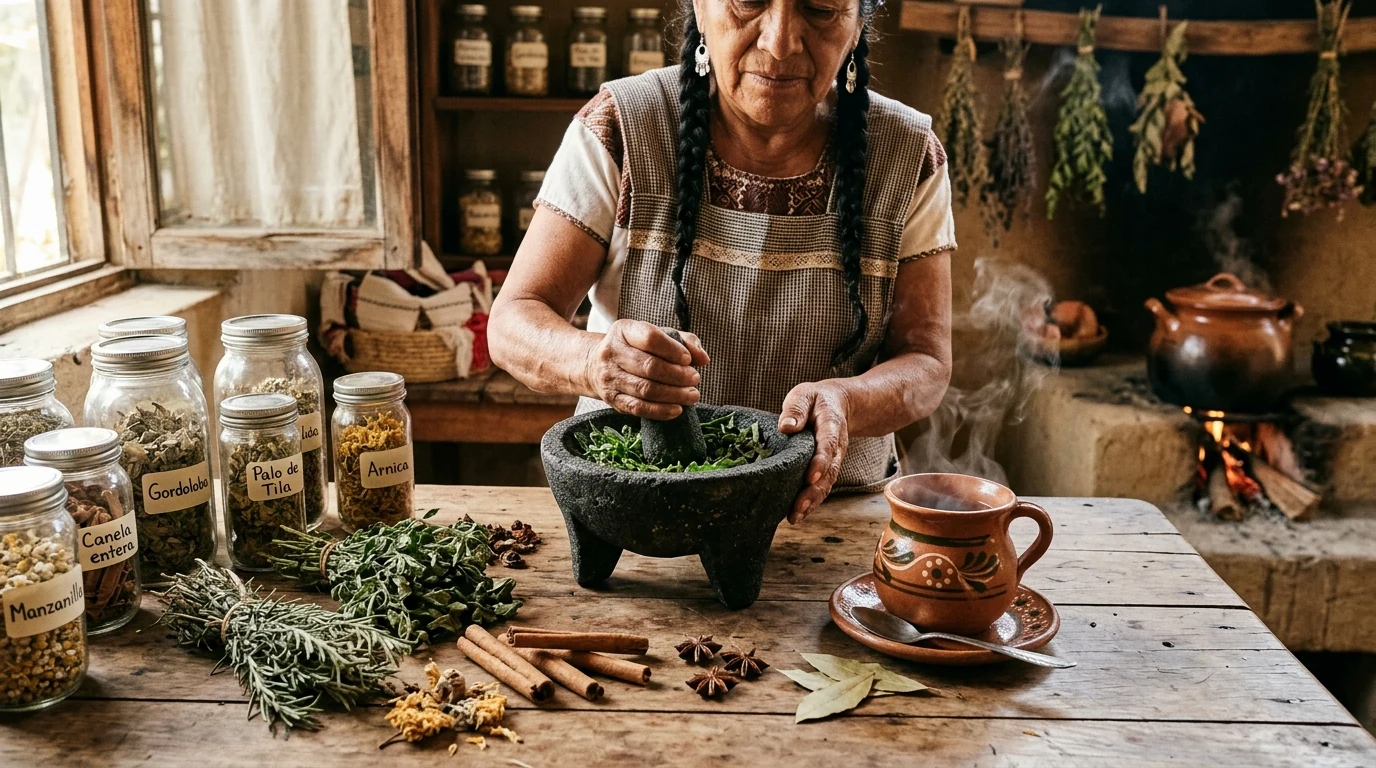
Preparing for a journey into Mexico’s botanical heart requires more than just a map; it requires the right lens. Depending on whether you are a casual traveler or a dedicated student of plant medicine, your reading list should balance academic rigor with practical accessibility.
- Travel-Friendly Introductions: For those seeking a cultural overview, look for illustrated guides to Mexican flora. These are ideal for identifying iconic species like the Dahlia or Agave while exploring public gardens and markets.
- Ethnobotanical Histories: To understand the spiritual and ancestral link between the land and its people, dive into ethnobotanical texts. These resources focus on the "why" behind the usage, blending archaeology with botany.
- Field Guides: For the adventurous hiker, a technical field guide is indispensable. These prioritize morphology and habitat, allowing you to distinguish between medicinal herbs and their toxic look-alikes in the wild.
- Clinical Herbal Manuals: For practitioners, comprehensive pharmacopeias offer deep dives into dosages and chemical constituents, providing a scientific backbone to traditional wisdom.
By pairing a high-level history with a practical field guide, you will transform your trip from a simple sightseeing tour into a profound immersion in Mexico's living pharmacy.
¿Deseas profundizar en Libros de herbolaria mexicana para viajeros interesados en cultura mexicana?
Consulta la selección de libros oficiales, manuales de botica y hierbas auténticas disponibles en Amazon con envío prioritario:
Check Prices and Deals on Amazon ↗Frequently Asked Questions about Mexican Herbalism Books
What is Mexican herbalism and why should travelers learn about it?
Mexican herbalism is the traditional use of native and introduced plants for healing, cooking, and ritual, combining Indigenous, Spanish, and modern scientific knowledge. Travelers who understand it can appreciate markets, food, and local wellness practices more deeply and respectfully.
Is it safe for travelers to buy and use medicinal plants in Mexico?
It can be safe if you stick to well-documented culinary herbs and use reputable books to identify plants and dosages. Avoid self-treating with unknown herbs, especially if pregnant, taking medication, or managing chronic conditions, and consult a qualified herbalist or physician.
Which type of herbalism book is best for a short cultural trip to Mexico?
A compact, illustrated field guide or ethnobotanical travel book is ideal for short trips. It helps you recognize common market plants, understand their cultural role, and know which ones are safe to taste or use as tea without requiring deep clinical training.