Libros de herbolaria mexicana sobre plantas medicinales para el sistema hormonal
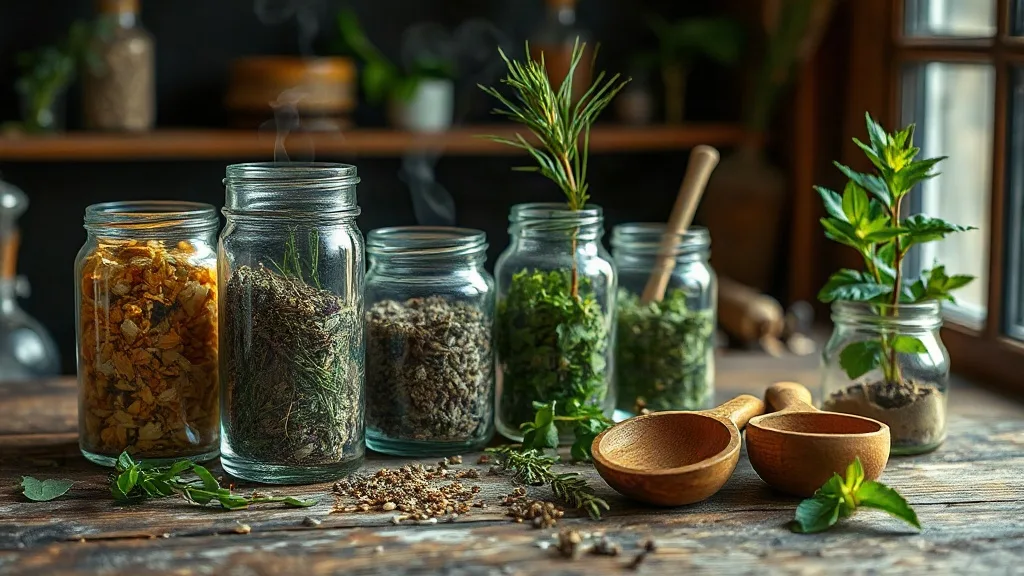
Key Summary: Explore ancestral wisdom through titles like Plantas Medicinales de México. For hormonal balance, seek guides blending ethnobotany with clinical rigor, focusing on native adaptogens. These texts offer a culturally rooted bridge between Mexico’s rich biodiversity and holistic endocrine wellness, ensuring a safe, traditional approach to healing.
Why Hormonal Balance Matters and How Mexican Herbalism Approaches It
The endocrine system acts as the body's chemical messenger network, releasing hormones that regulate everything from metabolism and sleep to mood and reproductive health. When this delicate symphony falls out of tune, the effects are systemic. Common signs of hormonal imbalance include persistent fatigue, unexplained weight fluctuations, mood swings, and disrupted sleep patterns—signals that the body is struggling to maintain homeostasis.
Traditional Mexican herbalism views these imbalances not as isolated symptoms, but as a loss of equilibrium between the individual and their environment. Rather than targeting a single hormone, this ancestral approach seeks to restore harmony through a holistic triad:
- Botanical Synergy: Utilizing native plants—such as those found in specialized Mexican herbal guides—to gently modulate endocrine function.
- Nutritional Alignment: Integrating ancestral diets that provide the essential building blocks for hormone production.
- Lifestyle Integration: Aligning daily rhythms with natural cycles to reduce cortisol and systemic stress.
By blending empirical botanical knowledge with a mindful approach to living, Mexican herbalism offers a sustainable path toward reclaiming hormonal vitality and overall well-being.
Key Hormonal Medicinal Plants and How to Use Them Safely
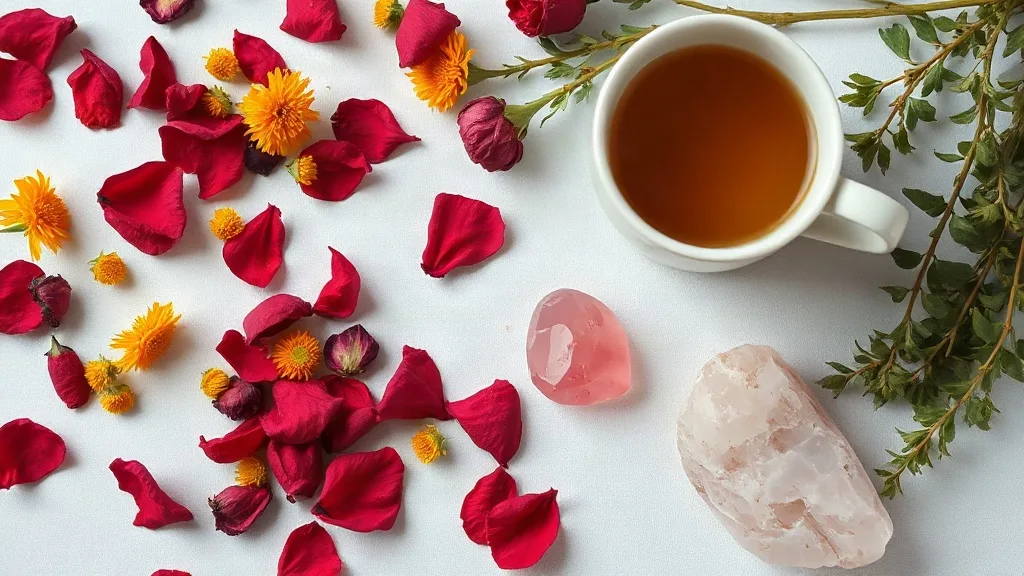
Mexican herbalism offers a rich treasury of evidence-informed botanicals traditionally used to modulate the endocrine system. From the adaptogenic properties of Ashwagandha (integrated into modern Mexican practice) to native species like Vitex agnus-castus (Chasteberry) and various species of Salvia, these plants are prized for their ability to balance estrogen and progesterone levels, alleviate PMS, and manage menopausal symptoms.
To harness these benefits, preparation methods must be precise. Most hormonal supports are administered via:
- Infusions: For delicate leaves and flowers to preserve volatile oils.
- Decoctions: For roots and barks to extract potent alkaloids.
- Tinctures: Concentrated alcohol-based extracts for precise dosing.
Safety First: Hormonal plants are biologically active. Dosage must be individualized based on age, weight, and health history. Because phytoestrogens can interfere with synthetic hormone therapies or affect hormone-sensitive conditions, self-prescription is discouraged.
Integrating these botanical allies requires a synergy between traditional wisdom and clinical safety. Always consult a certified herbalist or healthcare provider to ensure that your chosen regimen complements your overall health strategy without adverse contraindications.
Best Mexican Herbalism Books and Resources Compared
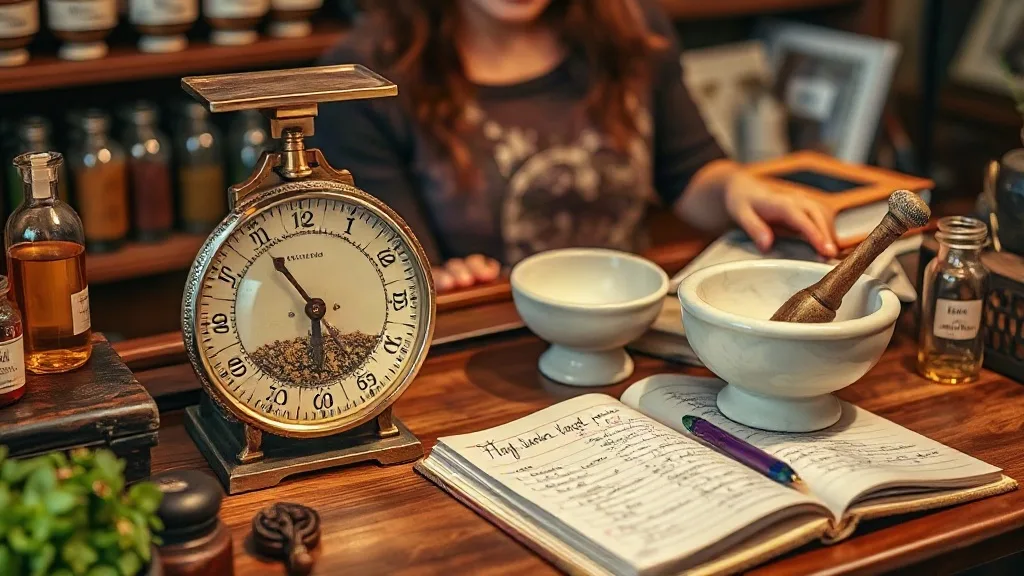
Navigating the vast landscape of Mexican botanical medicine requires resources that balance ancestral wisdom with pharmacological rigor, especially when addressing the delicate nature of hormonal health. For those seeking to harmonize the endocrine system, the choice of literature depends largely on your current level of expertise.
- For Beginners: Look for comprehensive guides that prioritize safety and identification. Resources focusing on estrogen-balancing herbs and common Mexican flora offer accessible, practical recipes and clear dosage guidelines, making them ideal for those starting their holistic journey.
- For Advanced Practitioners: Seek out specialized monographs and academic texts. These resources delve deeper into the phytochemical properties of endemic species, providing the botanical accuracy necessary to understand how specific alkaloids interact with hormonal receptors.
The gold standard in these resources is the integration of traditional "Curanderismo" with modern clinical evidence, ensuring that herbal protocols for hormonal regulation are both culturally authentic and scientifically sound.
Whether you prioritize a step-by-step recipe book for daily tinctures or a dense botanical encyclopedia for professional study, the best resources are those that emphasize sustainable harvesting and the synergistic effect of Mexican medicinal plants on the body's internal balance.
¿Deseas profundizar en Libros de herbolaria mexicana sobre plantas medicinales para el sistema hormonal?
Consulta la selección de libros oficiales, manuales de botica y hierbas auténticas disponibles en Amazon con envío prioritario:
Check Prices and Deals on Amazon ↗Frequently Asked Questions about Mexican Herbalism Books
What are hormonal medicinal plants in Mexican herbalism?
They are plants traditionally used in Mexican herbal medicine to support the endocrine system, such as damiana, vitex, and Mexican wild yam, often studied for their potential effects on menstrual health, stress response, and reproductive wellness
Can a Mexican herbalism book replace medical treatment for hormonal issues?
No. These books are valuable educational resources, but hormonal conditions require diagnosis and management by a qualified healthcare provider; herbal remedies should be used as complementary support and with professional supervision