Libros de herbolaria mexicana sobre plantas medicinales para el sueño
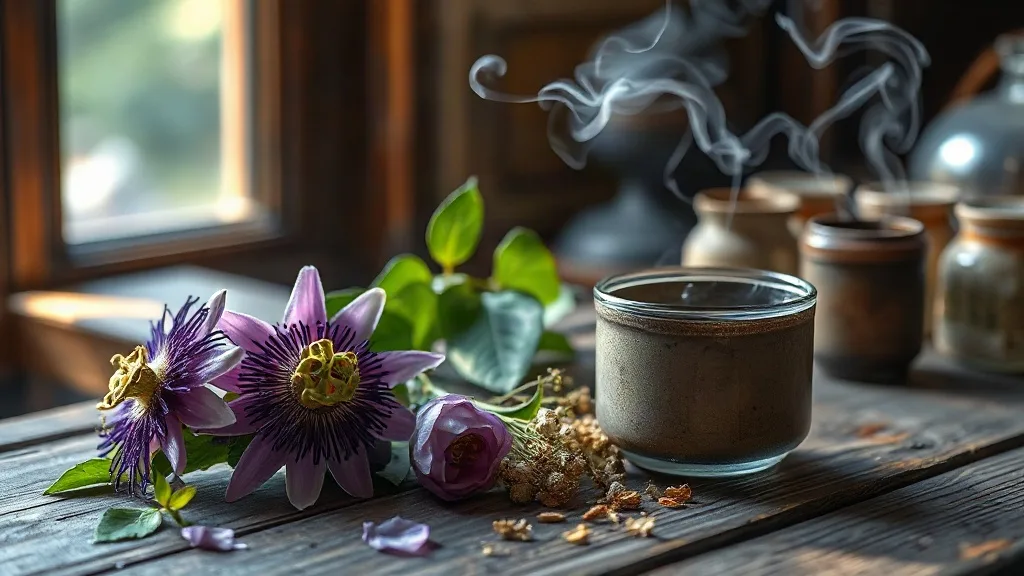

Key Summary: For Mexican herbalism and sleep, prioritize titles blending ancestral wisdom with botanical science. Look for guides focusing on *Passiflora* and *Tila*. Ensure the author integrates traditional indigenous knowledge with evidence-informed safety guidelines to ensure a culturally grounded and effective approach to natural sleep support.
Why Insomnia Needs a Holistic, Culturally Rooted Herbal Approach
Insomnia is rarely a standalone biological glitch; it is often the physical manifestation of a fragmented lifestyle. Modern sleep struggles typically emerge from a complex intersection of cortisol spikes, emotional turbulence, and a disconnect from our natural circadian rhythms. Treating these symptoms with isolated sedatives often ignores the root cause, offering a temporary silence rather than true restoration.
This is where Mexican herbolaria provides a profound alternative. Unlike the reductionist approach of modern pharmacology, traditional Mexican herbalism views the body as an integrated system. It offers a time-tested, whole-person framework that addresses the "spirit" and "nerve" alongside the physical body.
- Synergistic Healing: Utilizing botanical blends that calm the nervous system while nourishing the organs.
- Cultural Wisdom: Leveraging centuries of empirical knowledge regarding native flora tailored to specific emotional states.
- Rhythmic Alignment: Integrating plant medicine with rituals that signal the brain to transition from stress to stillness.
"True rest is not merely the absence of wakefulness, but the presence of harmony between the mind, the body, and the environment."
By turning to specialized guides on Mexican medicinal plants, we rediscover a path to sleep that is as sustainable as it is ancestral.
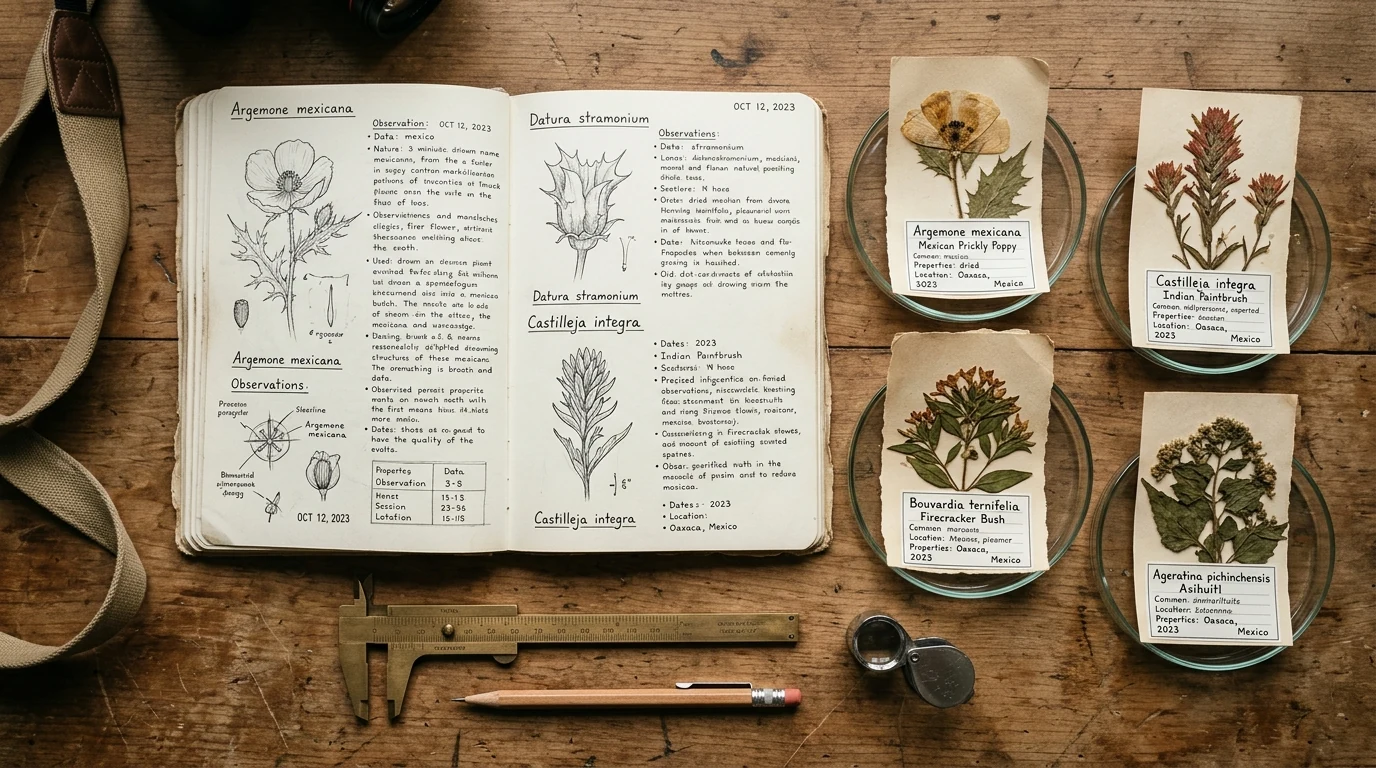
Key Mexican Medicinal Plants for Sleep and How to Use Them Safely
Mexican herbalism offers a rich pharmacopeia for combating insomnia and anxiety. By integrating traditional wisdom with botanical science, these plants provide natural alternatives to synthetic sedatives, focusing on restoring the body's circadian rhythm.
- Tila (Tilia spp.): Rich in flavonoids and mucilage, it acts as a mild sedative.
Usage: Infuse 1 teaspoon of dried flowers in hot water. Drink one cup 30 minutes before bed. - Pasiflora (Passiflora incarnata): Contains alkaloids and flavonoids that increase GABA levels in the brain, reducing mental chatter.
Usage: A decoction of leaves or a standardized tincture (2-4 ml). - Azahar (Citrus aurantium): The essence of orange blossom is prized for its anxiolytic properties.
Usage: Infusion of dried flowers; ideal for those whose sleeplessness is caused by emotional stress.
Safety Cautions: Always consult a healthcare provider before starting herbal treatments. Avoid combining these plants with pharmaceutical benzodiazepines or alcohol to prevent excessive sedation. Pregnant or breastfeeding women should exercise extreme caution and seek professional guidance.
For a deeper exploration of dosages and synergistic blends, consulting specialized books on Mexican herbalism is essential to ensure a safe and therapeutic experience.
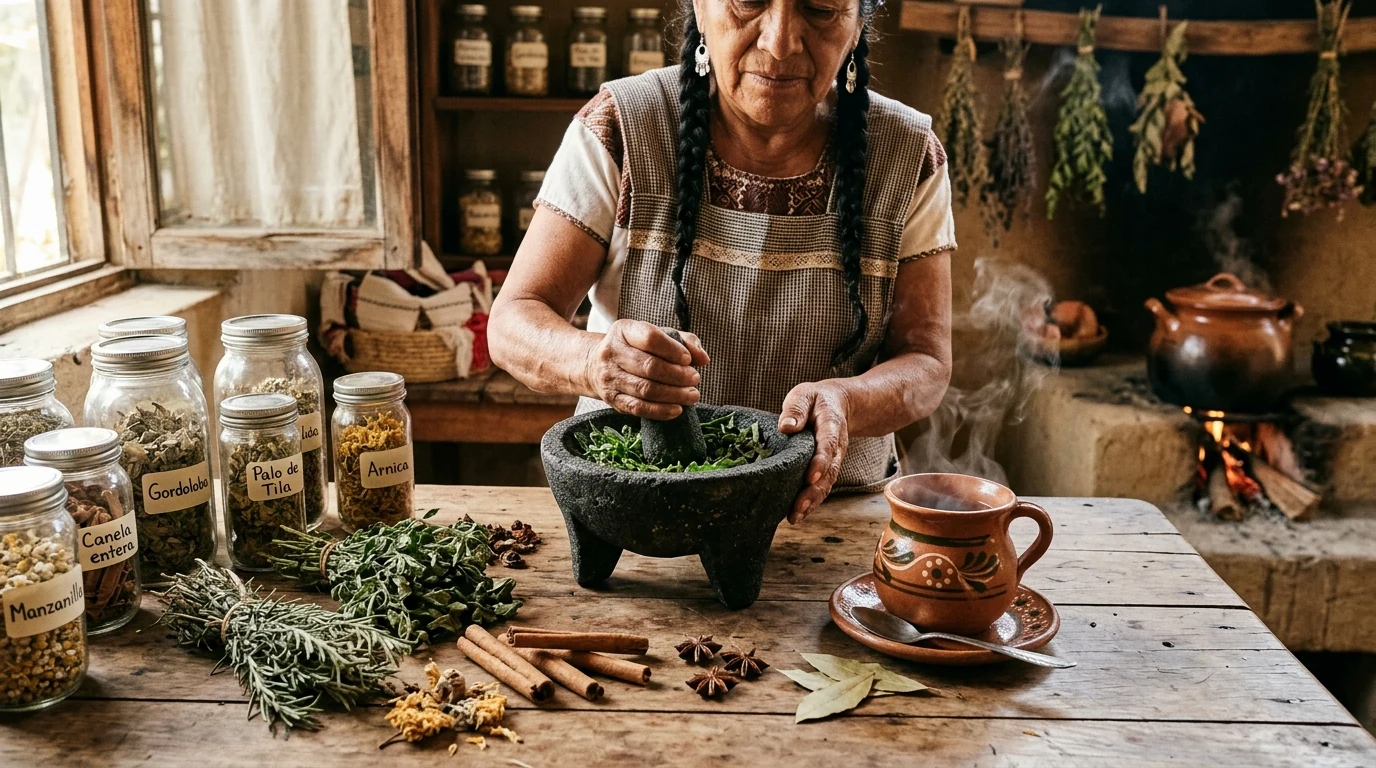
Comparing the Best Mexican Herbals for Insomnia
Navigating the vast landscape of Mexican botanical literature requires understanding the specific intent of each resource. Depending on whether you seek a quick remedy or a scientific foundation, your choice should vary between three primary formats:
- Field Guides: Ideal for beginners and foragers. These resources prioritize visual identification and common uses, offering practical, immediate value for those wanting to recognize native sedative plants in their natural habitat.
- Clinical Monographs: Designed for practitioners and advanced students. These provide the greatest depth, focusing on pharmacognosy, dosage, and contraindications. They are essential for ensuring the safe application of potent herbs for chronic insomnia.
- Ethnobotanical Atlases: Perfect for those valuing cultural context. These works bridge the gap between ancestral wisdom and botany, documenting how indigenous communities have traditionally utilized flora to treat sleep disorders.
Editor's Tip: For a balanced approach, pair a clinical monograph for safety with an ethnobotanical atlas to understand the holistic synergy of Mexican herbalism.
By aligning your objective—be it academic rigor or practical application—with the right literary format, you can safely unlock the therapeutic potential of Mexico's diverse flora.
¿Deseas profundizar en Libros de herbolaria mexicana sobre plantas medicinales para el sueño?
Consulta la selección de libros oficiales, manuales de botica y hierbas auténticas disponibles en Amazon con envío prioritario:
Check Prices and Deals on Amazon ↗Frequently Asked Questions about Mexican Herbalism Books
Which Mexican herbal books are most reliable for learning about sleep-supporting plants?
Look for specialized references that combine botanical identification, traditional uses, active constituents, and dosage guidance. Trusted categories include classic Mexican medicinal-plant monographs, modern ethnobotanical field guides, and clinical phytotherapy manuals that specifically address nervine and hypnotic herbs.
Are Mexican medicinal plants safe for chronic insomnia?
When used with correct plant identification, appropriate dosage, and professional guidance, many traditional Mexican sleep herbs are generally safe. However, chronic insomnia can signal an underlying medical condition, so they should complement—not replace—consultation with a healthcare provider.