Libros recomendados sobre el cuachalalate
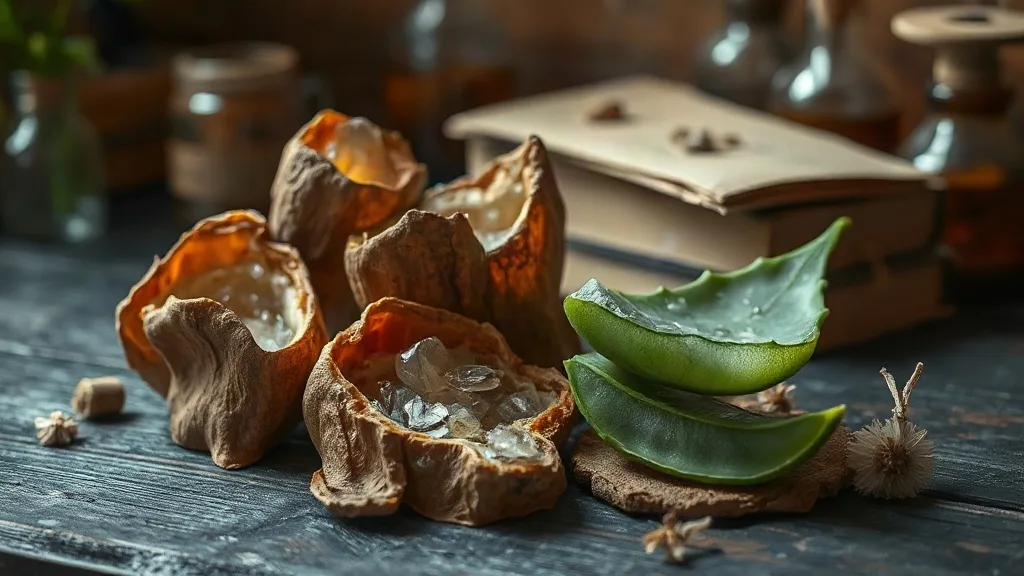
Key Summary: Since specific books on cuachalalate are scarce, focus on authoritative pharmacopeias and ethnobotanical guides on Mexican flora. Look for academic texts on *Piscidia erythrina* to understand its anti-inflammatory properties. These scientific resources provide the most reliable, evidence-based foundation for studying this traditional medicinal bark.
Why is it important to read recommended books on Cuachalalate?
Understanding the therapeutic potential of Mimosa tenuiflora, commonly known as Cuachalalate, requires more than anecdotal evidence; it demands a foundation built on botanical precision and pharmacological rigor. Diving into specialized literature allows enthusiasts and practitioners to transition from superficial knowledge to a comprehensive understanding of its bioactive compounds and traditional applications.
Consulting curated recommendations is essential for several key reasons:
- Scientific Validation: Academic texts provide peer-reviewed data on the plant's hepatoprotective and anti-inflammatory properties, ensuring safe usage.
- Ethnobotanical Context: Specialized books preserve the ancestral wisdom of Mesoamerican cultures, explaining how the bark is harvested and processed sustainably.
- Dosage and Safety: Authoritative guides offer critical insights into contraindications and correct concentrations to avoid adverse reactions.
"The bridge between traditional herbalism and modern medicine is built through documented study and the rigorous analysis of botanical species."
Ultimately, reading recommended literature transforms a simple curiosity into an informed practice, safeguarding the user's health while honoring the biological complexity of this powerful natural resource.
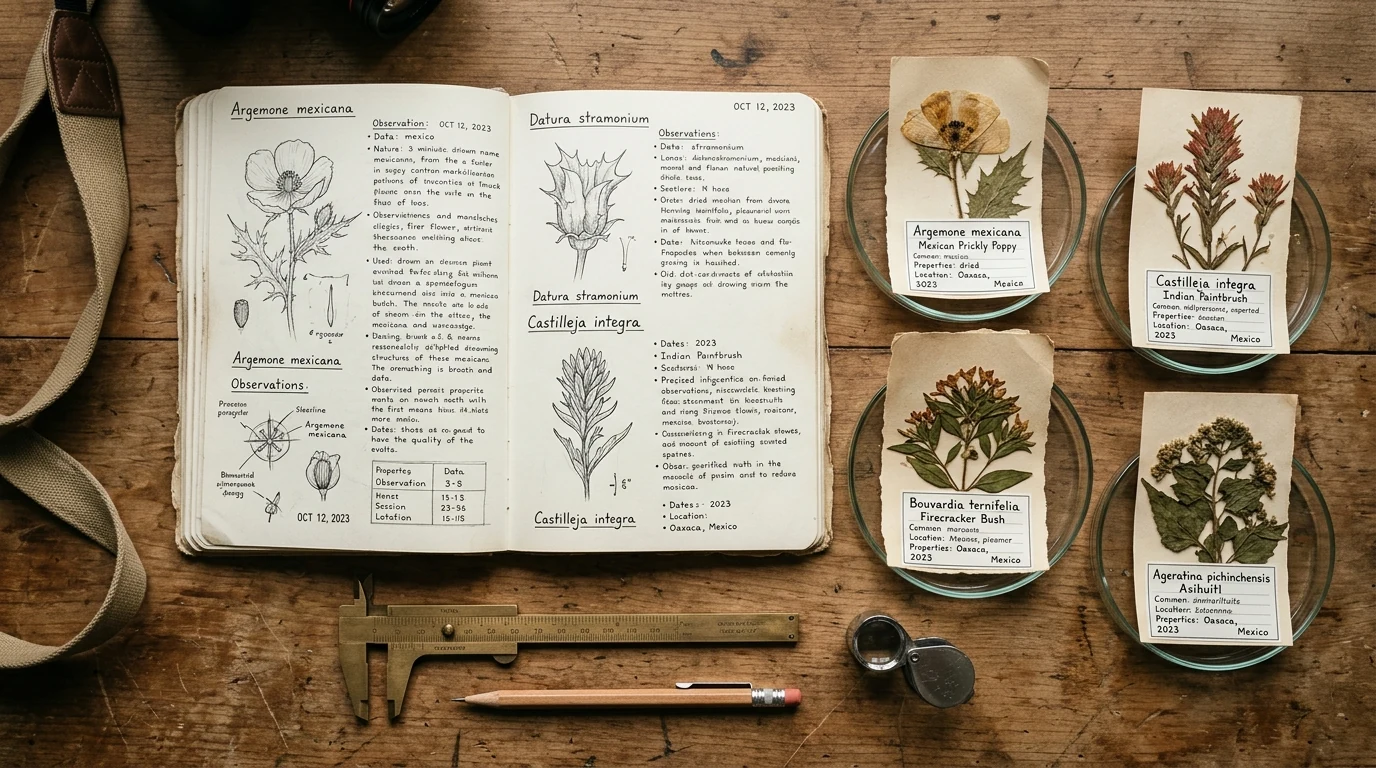
Main Plants, Preparations, and Recommended Methods
To effectively integrate the therapeutic properties of Mimosa tenuiflora (Cuachalalate) into your wellness routine, it is essential to rely on authoritative botanical literature. Expert guides emphasize that the efficacy of this plant lies in its high concentration of tannins and saponins, which are best preserved through specific extraction methods.
Based on leading ethnobotanical references, the most recommended applications include:
- Decoctions: Boiling the inner bark to create a potent tea, primarily used for gastric mucosal repair and treating ulcers.
- Topical Infusions: Utilizing concentrated extracts in compresses to accelerate skin healing and treat inflammatory dermatological conditions.
- Standardized Tinctures: Hydro-alcoholic preparations that ensure a stable concentration of active compounds for long-term use.
"The key to maximizing the regenerative potential of Cuachalalate is the precision of the temperature and the quality of the bark source, as detailed in specialized pharmacopeias."
For those seeking a practical roadmap, we recommend consulting manuals on Mexican traditional medicine and modern phytotherapy, which provide precise dosage charts and safety protocols to ensure a professional and safe application of these natural remedies.
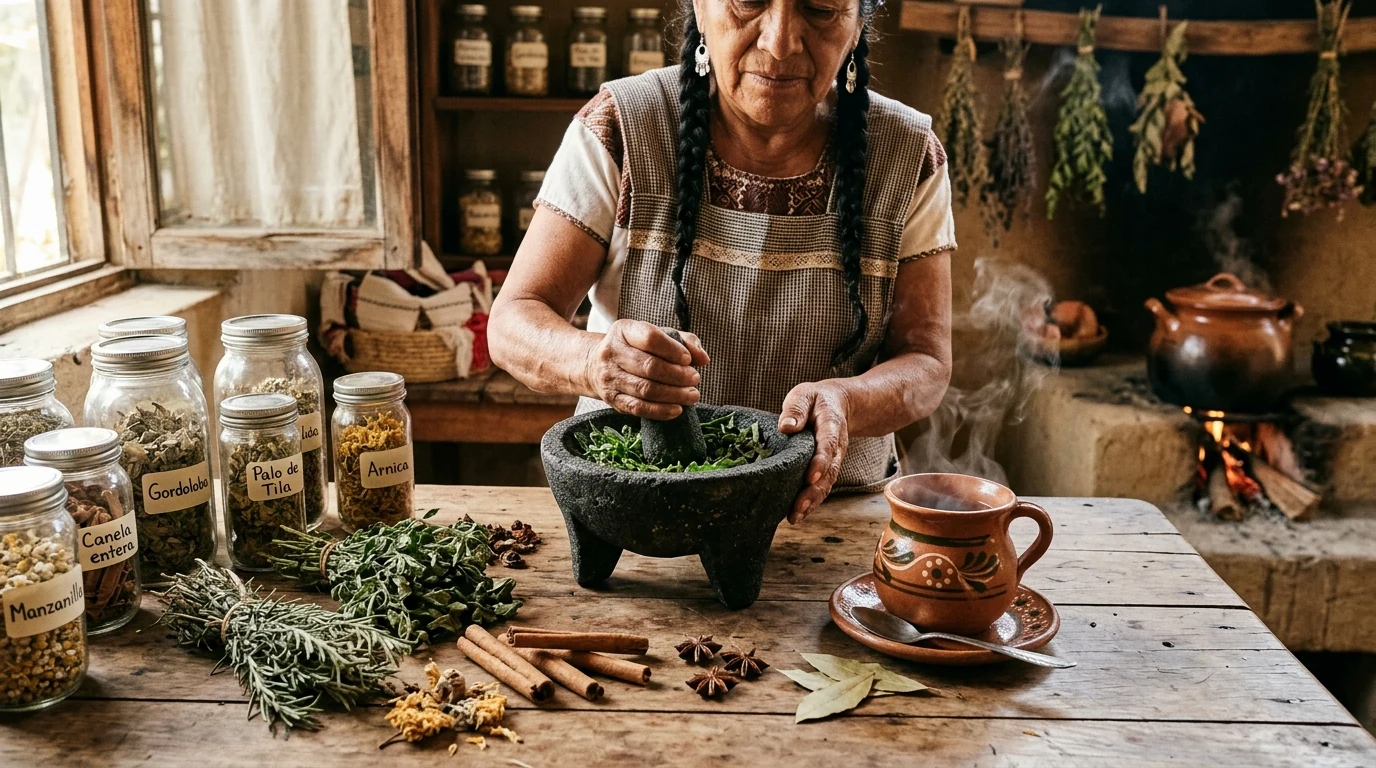
Safety Tips and Recommended Sources
While Lysiloma cuachalalate is widely revered in traditional Mesoamerican medicine for its potent anti-inflammatory and healing properties, safety should always be your priority. Before incorporating this botanical into your wellness routine, it is essential to consult with a healthcare professional, especially if you are pregnant, nursing, or taking prescription medications, to avoid potential contraindications.
To deepen your understanding of this plant through scientifically backed and ethnobotanical perspectives, we recommend exploring the following authoritative sources:
- Ethnobotanical Studies of Mexico: Comprehensive guides that detail the traditional usage and chemical composition of regional flora.
- Pharmacognosy Textbooks: Academic resources that analyze the active tannins and flavonoids present in the cuachalalate bark.
- The Mexican Herbal Manual: A practical reference for dosage, preparation methods, and safety profiles of native medicinal plants.
Pro Tip: Always source your cuachalalate from certified organic suppliers to ensure the bark is free from contaminants and harvested sustainably to protect the species.
¿Deseas profundizar en Libros recomendados sobre el cuachalalate?
Consulta la selección de libros oficiales, manuales de botica y hierbas auténticas disponibles en Amazon con envío prioritario:
Check Prices and Deals on Amazon ↗Frequently Asked Questions about Mexican Herbalism Books
¿Cuál es el primer paso para libros recomendados sobre el cuachalalate?
Comenzar con fuentes verificadas y plantas de uso común seguro.
¿Dónde conseguir información y materiales confiables?
En libros especializados de herbolaria y distribuidores certificados de plantas.