Libros recomendados sobre el epazote
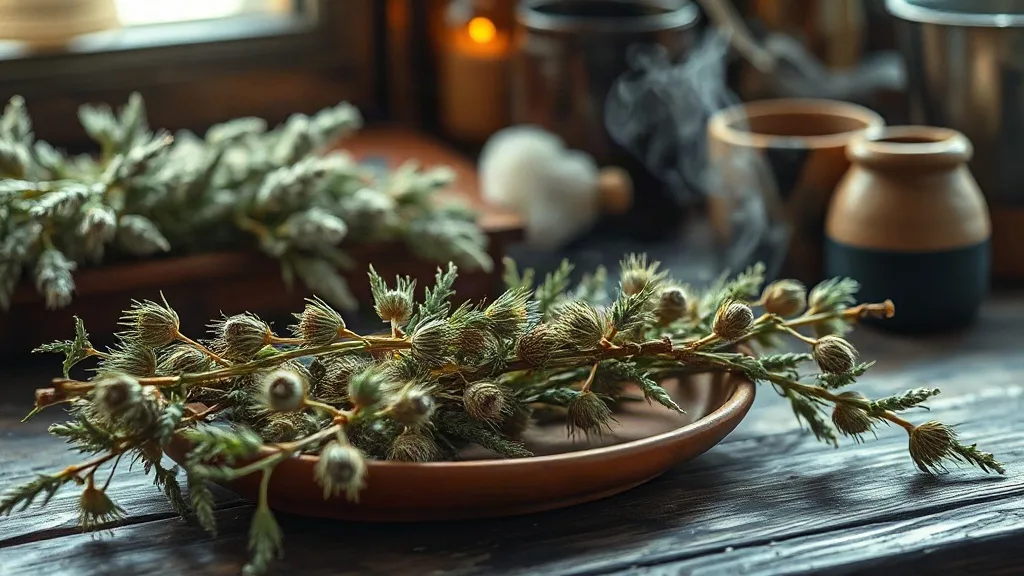

Key Summary: While dedicated monographs are rare, explore The Art of Mexican Cooking for culinary mastery or botanical guides on Dysphania ambrosioides for scientific rigor. For a holistic view, seek ethnographic studies on Mesoamerican herbs to understand epazote’s deep cultural and medicinal roots in traditional gastronomy.
What Is Epazote and Why Read About It?
Epazote (*Dysphania ambrosioides*) is more than just a pungent herb; it is a cornerstone of Mexican culinary heritage and traditional Mesoamerican medicine. Renowned for its ability to reduce flatulence in legumes and its potent anthelmintic properties, epazote has been used for centuries to treat digestive ailments and respiratory congestion.
However, the line between a therapeutic remedy and a toxin is dangerously thin. Epazote contains ascaridole, a powerful compound that can be toxic if consumed in improper dosages or used incorrectly, particularly in pregnant women or children. This inherent risk makes self-medication a gamble with one's health.
To navigate its benefits safely, relying on anecdotal advice is insufficient. This is why consulting authoritative literature is essential. Comprehensive books provide:
- Precise Dosage: Scientific guidelines to avoid toxicity.
- Contraindications: Clear warnings on who should avoid the herb.
- Botanical Accuracy: Ensuring the correct species is identified to prevent accidental poisoning.
Reading reliable, expert-backed guides transforms epazote from a risky experiment into a safe, culturally rich addition to your wellness toolkit.
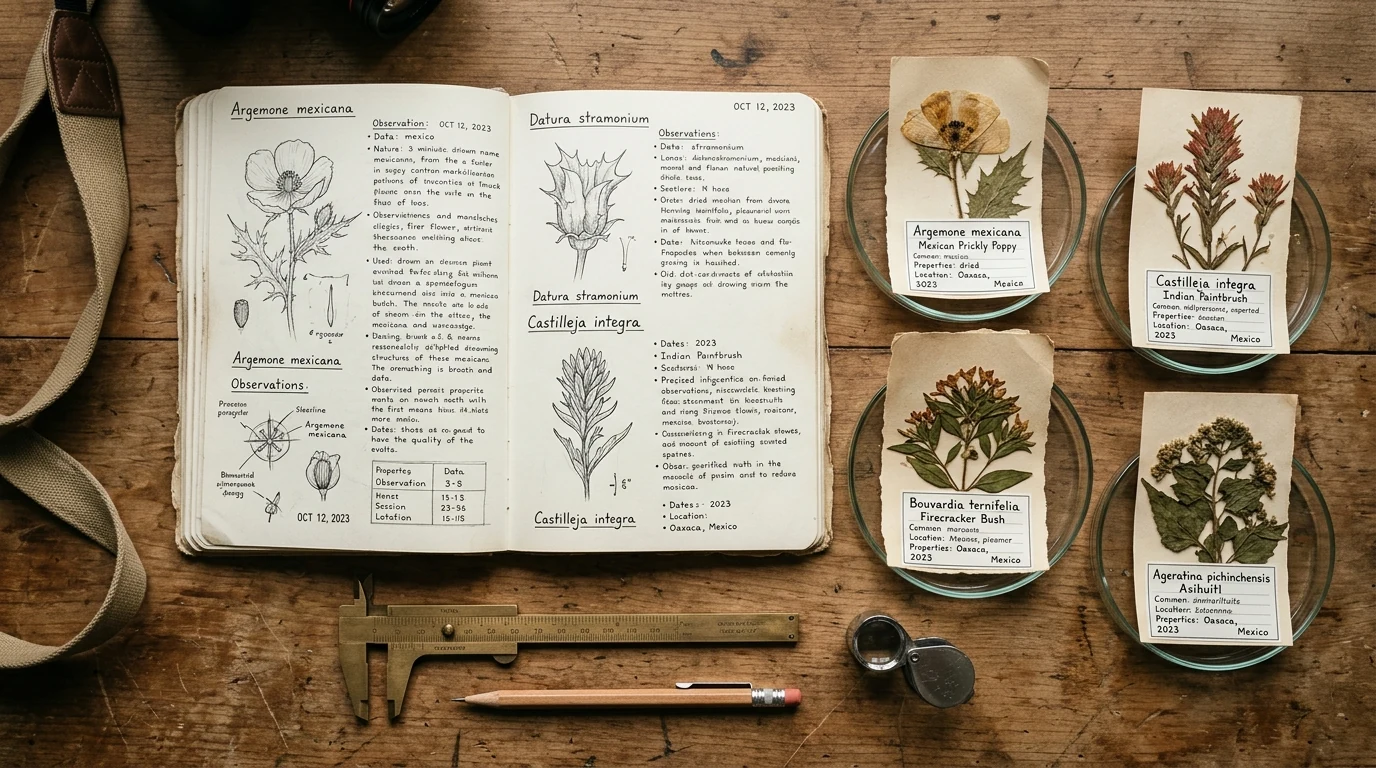
Top Recommended Books on Epazote and How to Use Them
Mastering the use of epazote requires a blend of botanical knowledge and culinary intuition. To transition from basic usage to expert application, we recommend a curated selection of literature that bridges the gap between traditional Mexican herbalism and modern science.
- Botanical Guides to Mesoamerican Flora: These essential texts focus on precise botanical identification, ensuring you can distinguish Dysphania ambrosioides from similar species. They provide critical data on active compounds, such as ascaridole, and offer guidance on safe dosage to avoid toxicity.
- Traditional Mexican Pharmacopeias: For those seeking the ancestral roots of the plant, these volumes detail traditional uses for digestive health and respiratory relief, blending folklore with empirical observation.
- Authentic Mexican Gastronomy Manuals: To elevate your kitchen game, look for cookbooks that specialize in regional staples. These guides provide step-by-step recipes, highlighting the synergy of epazote with garlic to create aromatic bases for black beans, corn masa, and traditional soups.
Whether you are a researcher analyzing its chemical properties or a home cook perfecting a savory stew, these resources provide the comprehensive framework needed to utilize epazote safely and deliciously.
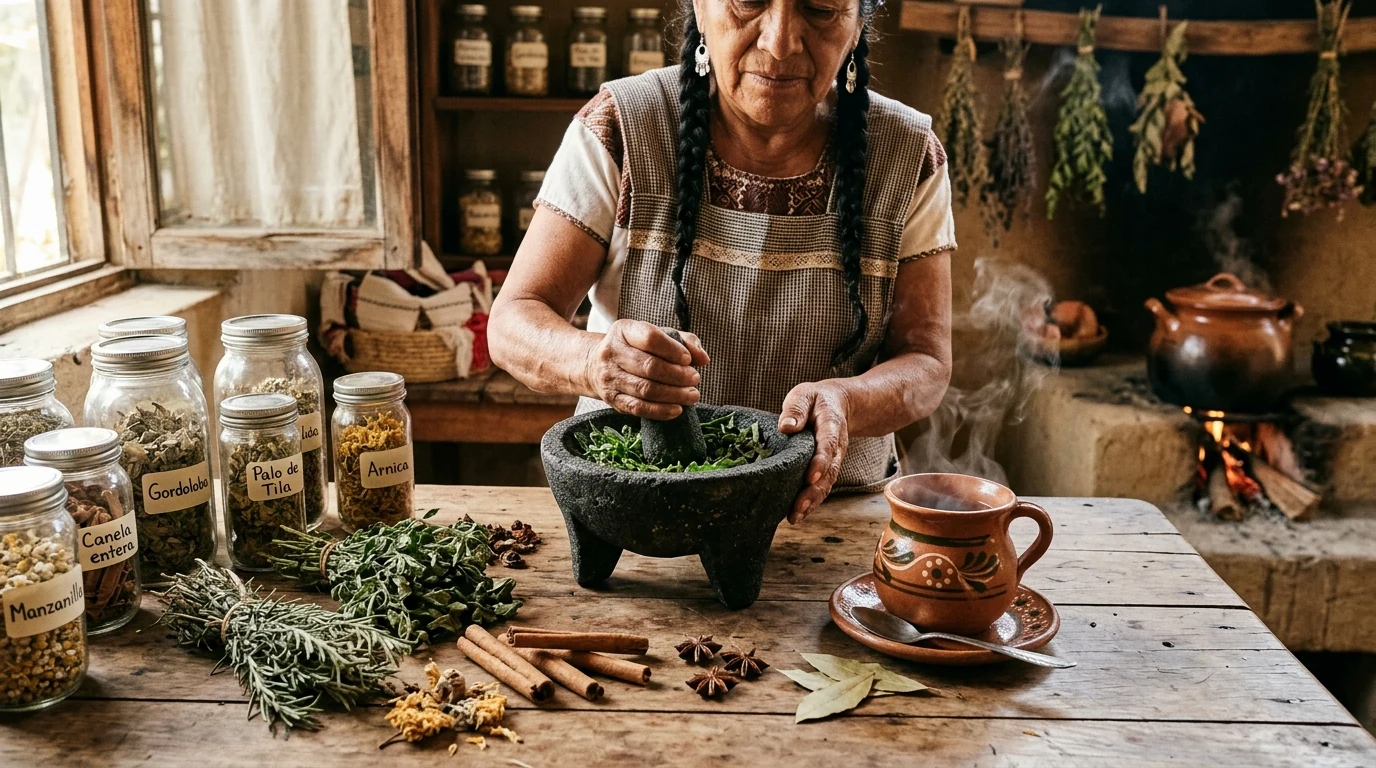
Comparing Epazote Guides: Which Book Is Right for You?
Choosing the right resource depends entirely on whether you intend to identify epazote in the wild, utilize it for therapeutic purposes, or master its flavor in the kitchen. Because epazote bridges the gap between culinary tradition and ethnobotany, the available literature varies significantly in scope and rigor.
- Field Guides: Ideal for foragers and botanists. These resources prioritize morphological characteristics, habitat mapping, and visual identification to distinguish Dysphania ambrosioides from similar species.
- Clinical Herbal Manuals: Best for practitioners and students of holistic health. These texts dive deep into the chemical constituents, dosage, and pharmacological contraindications, focusing on its anthelmintic and digestive properties.
- Culinary Cookbooks: Perfect for home cooks and food enthusiasts. These guides focus on flavor profiles, traditional Mexican pairings, and practical techniques to balance its pungent aroma in soups and legumes.
Pro Tip: If you are a beginner, start with a cookbook for safe culinary exploration, but always cross-reference with a field guide before harvesting from the wild to ensure botanical accuracy.
¿Deseas profundizar en Libros recomendados sobre el epazote?
Consulta la selección de libros oficiales, manuales de botica y hierbas auténticas disponibles en Amazon con envío prioritario:
Check Prices and Deals on Amazon ↗Frequently Asked Questions about Mexican Herbalism Books
What is epazote used for?
Epazote is traditionally used in Mexican herbalism to support digestion, reduce intestinal gas, and flavor bean dishes. Modern phytotherapy also studies its antiparasitic and carminative properties, but safe use requires correct identification and dosage.
What are the medicinal properties of epazote?
Epazote contains compounds such as ascaridole, which have anthelmintic and carminative effects. It is also valued for its antifungal and digestive-supporting properties, though high doses can be toxic.
What is epazote with garlic used for?
Epazote cooked with garlic is a classic preparation used to season beans and is believed to help reduce gas and bloating. The combination is culinary first, but it also reflects traditional digestive-support practices.
Is epazote safe to use as a medicinal plant?
Epazote is generally safe as a culinary herb in small amounts, but medicinal doses should be guided by a qualified herbalist or healthcare provider because its active compounds can be toxic in excess, especially for pregnant women and children.