Libros recomendados sobre el maíz y sus variedades medicinales
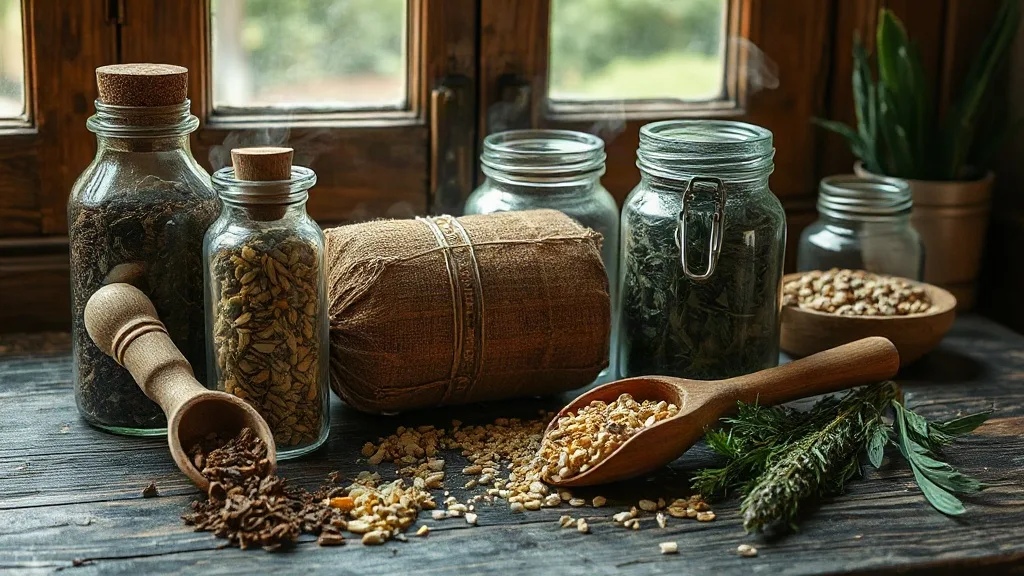

Key Summary: For a rigorous yet accessible exploration, start with Maize by various botanical experts for genetic diversity. Complement this with ethnobotanical guides on Mesoamerican traditional medicine to uncover specific medicinal varieties. These sources blend scientific precision with cultural wisdom, offering a comprehensive view of corn's healing potential.
Why Read About Maize as a Medicinal Plant?
For centuries, maize has been dismissed as a mere caloric staple—a commodity of hunger and industry. However, this reductionist view ignores a profound botanical legacy. Beyond its role as food, specific ancestral varieties of maize possess bioactive compounds and therapeutic properties that have sustained indigenous medicine for millennia.
The problem lies in the erosion of this traditional knowledge. As industrial monocultures dominate the landscape, we lose not only genetic diversity but also the "pharmacopeia of the fields." Understanding maize as a medicinal plant is no longer just a matter of historical curiosity; it is a necessity for those seeking a holistic approach to health and food sovereignty.
By exploring specialized literature on this subject, you will discover:
- Ethnobotanical Wisdom: How ancient cultures utilized maize derivatives to treat inflammation and metabolic disorders.
- Phytochemical Potential: The science behind the antioxidants and proteins found in pigmented maize varieties.
- Ecological Resilience: The link between biodiversity and the potency of medicinal plants.
"To rediscover the medicinal power of maize is to reclaim a lost dialogue between human health and the earth's natural intelligence."
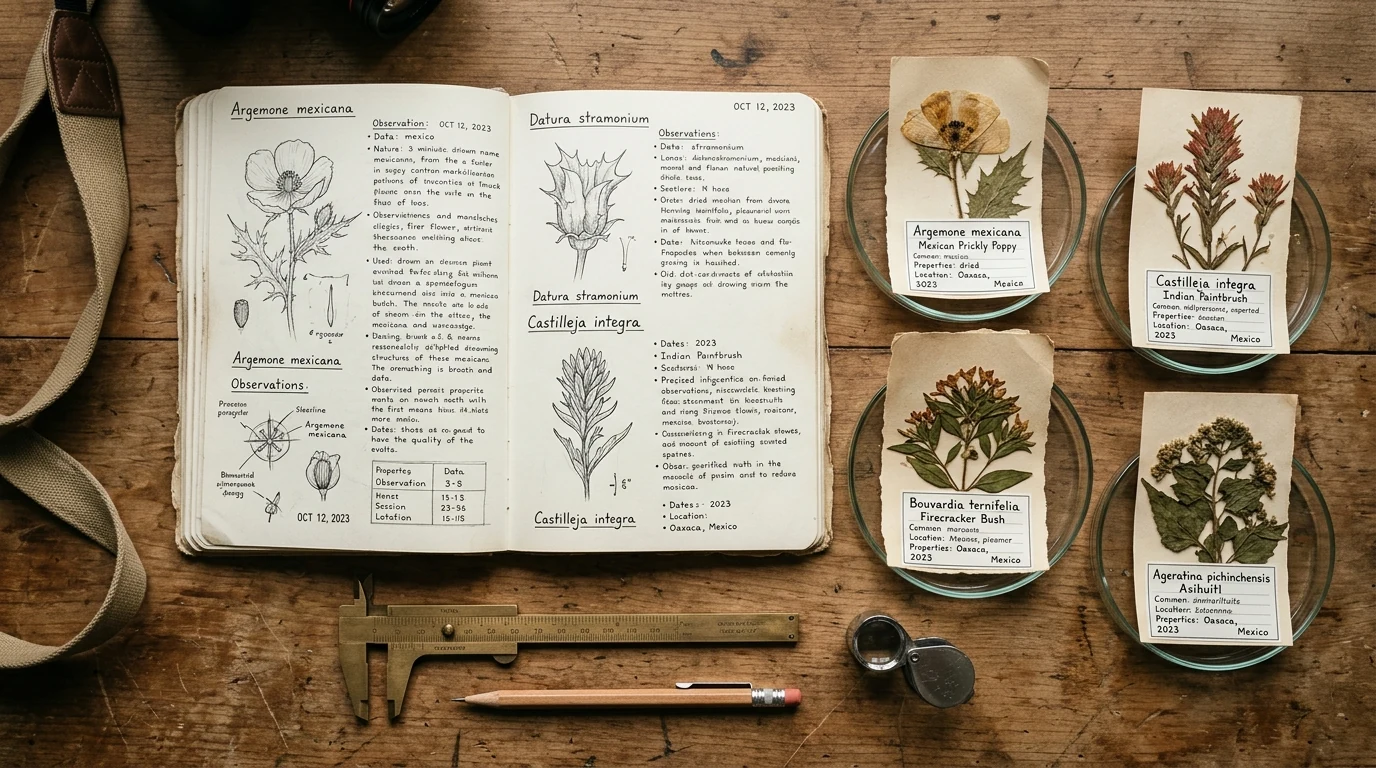
Top Recommended Books on Maize and Its Healing Varieties
Exploring the intersection of botany and ancestral medicine requires reliable sources that bridge the gap between agricultural science and holistic healing. To truly understand the therapeutic potential of maize—from its antioxidant-rich pigmented kernels to the medicinal properties of its silk and pollen—we recommend a curated selection of literature that emphasizes biodiversity and traditional knowledge.
To begin your journey into the healing varieties of corn, follow these reading recommendations:
- "The Maize Refugia" – An essential guide for identifying heirloom varieties that retain high concentrations of phytochemicals and minerals.
- "Ancient Grains and Modern Healing" – A comprehensive manual focusing on the nutritional pharmacology of colored maize (purple and blue) for inflammatory support.
- "The Sacred Corn: Rituals and Remedies" – A deep dive into the ethnobotanical uses of maize in indigenous cultures, providing step-by-step preparations for corn-based infusions.
"Maize is not merely a crop; it is a biological library of resilience and healing that has sustained humanity for millennia."
By integrating the insights from these texts, you can transition from basic cultivation to applying specific maize varieties as functional tools for wellness and natural recovery.
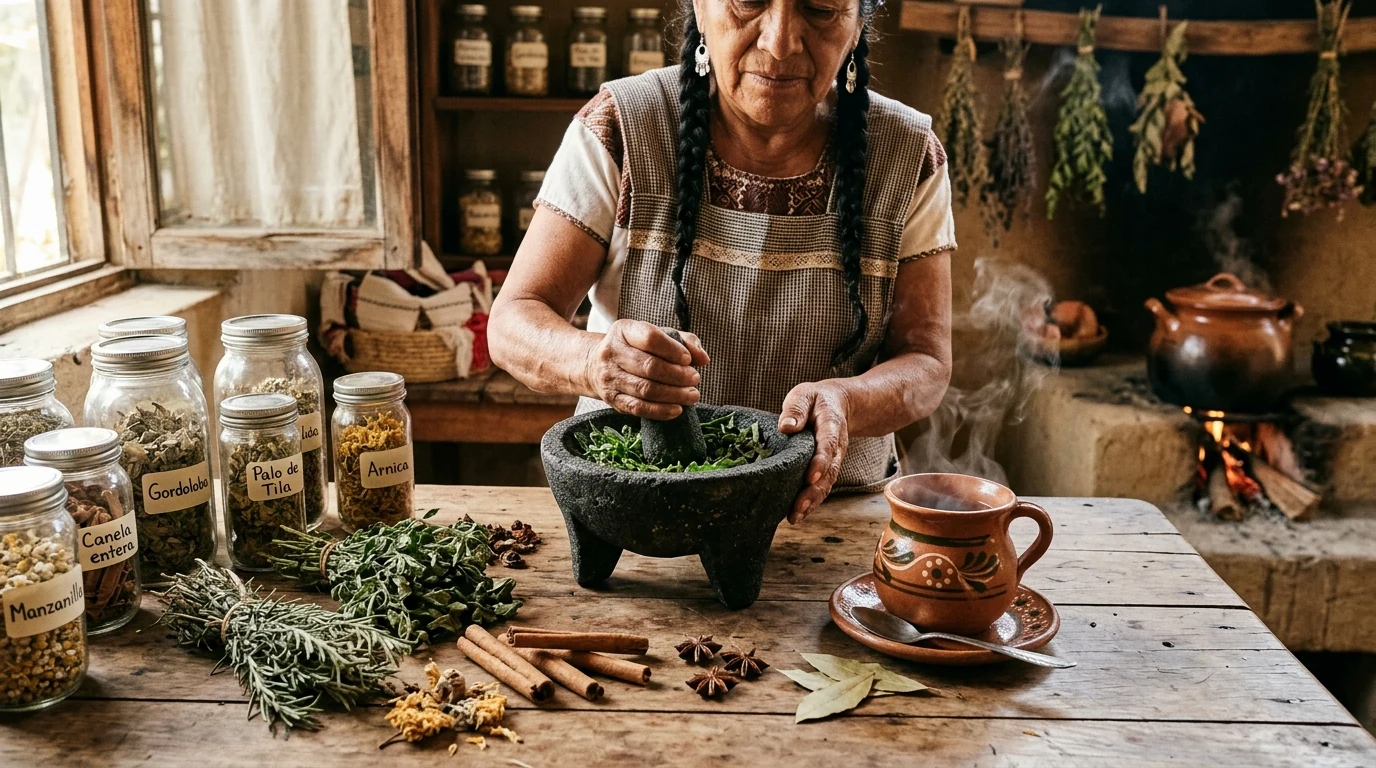
How to Choose the Right Book for Your Needs
Selecting the ideal resource on maize and its medicinal varieties depends entirely on your objective: whether you are seeking ancestral wisdom, botanical precision, or practical application. Because the literature ranges from ethnographic studies to pharmacological guides, it is essential to align the author's approach with your specific goals.
To guide your selection, consider these three primary categories of resources:
- Ethnobotanical Compendiums: Best for those researching the cultural history and traditional uses of indigenous corn varieties. These works emphasize the symbiotic relationship between community and crop.
- Pharmacological Manuals: Ideal for practitioners focusing on the bioactive compounds of maize derivatives and their specific therapeutic properties.
- Agricultural Guides: Recommended for growers interested in preserving heirloom seeds and optimizing the medicinal potency of their harvests through organic cultivation.
"The right book does not just provide data; it bridges the gap between the ancient genetic legacy of the maize and its modern healing potential."
Regardless of your choice, prioritize peer-reviewed sources or texts authored by recognized experts in Mesoamerican biodiversity to ensure the accuracy of the medicinal applications described.
¿Deseas profundizar en Libros recomendados sobre el maíz y sus variedades medicinales?
Consulta la selección de libros oficiales, manuales de botica y hierbas auténticas disponibles en Amazon con envío prioritario:
Check Prices and Deals on Amazon ↗Frequently Asked Questions about Mexican Herbalism Books
What are the main medicinal uses of maize described in herbal books?
Traditional and modern texts describe maize silk, kernels, and leaves as diuretic, anti-inflammatory, and supportive for urinary, digestive, and metabolic health, always emphasizing correct botanical identification and dosage.
Which type of book is best for learning about maize varieties in Mexican herbalism?
A field guide or ethnobotanical atlas focused on Mexican medicinal plants is ideal, as it combines botanical descriptions, regional maize varieties, preparation methods, and safety notes.