Libros recomendados sobre la menta
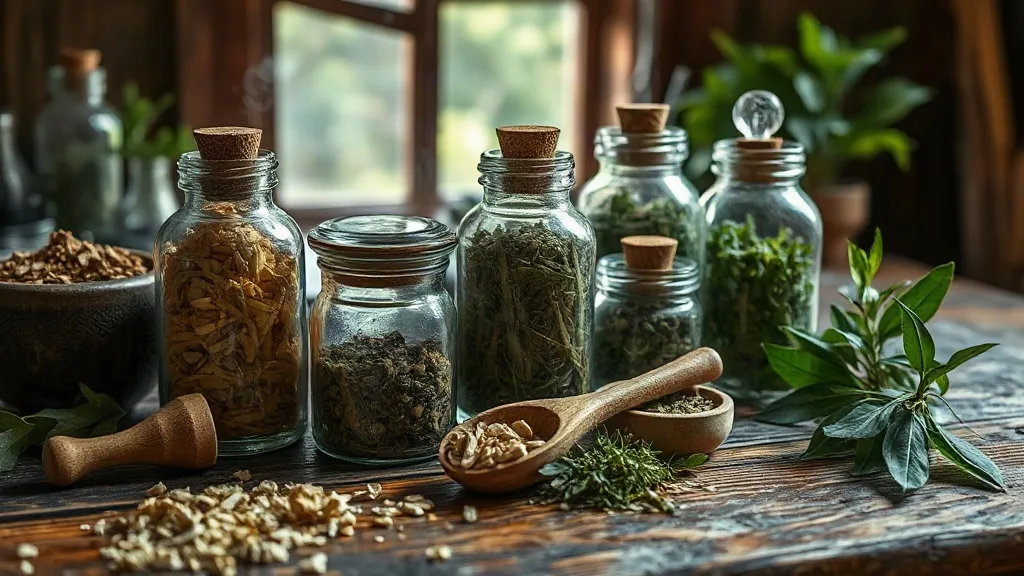

Key Summary: For a blend of science and Mexican tradition, start with The Herbal Apothecary. It bridges ancestral wisdom with modern use. For deep botanical study, Medical Herbalism is the gold standard. These guides transform mint from a simple tea into a powerful, evidence-based wellness tool.
What Is Mint and What Is It Used For?
Botanically known as Mentha, mint is a versatile perennial herb from the Lamiaceae family, celebrated globally for its refreshing aroma and potent bioactive compounds. While it is a staple in culinary arts, its true power lies in its therapeutic properties, particularly the presence of menthol, which acts as a natural decongestant and muscle relaxant.
In the rich tradition of Mexican herbalism, mint has long been a cornerstone of home apothecaries. It is deeply revered as a digestive tonic, used in warm infusions to soothe gastrointestinal distress and alleviate bloating. This traditional wisdom is now mirrored by modern science, which validates its efficacy in improving cognitive focus and reducing symptoms of Irritable Bowel Syndrome (IBS).
Beyond the tea cup, mint serves as a holistic remedy for various household ailments:
- Digestive Support: Relaxes the stomach muscles to ease indigestion.
- Respiratory Relief: Clears nasal congestion and eases breathing.
- Mental Clarity: Enhances alertness and reduces mental fatigue.
Whether viewed through the lens of ancestral knowledge or clinical research, mint remains an indispensable botanical ally for overall wellness.
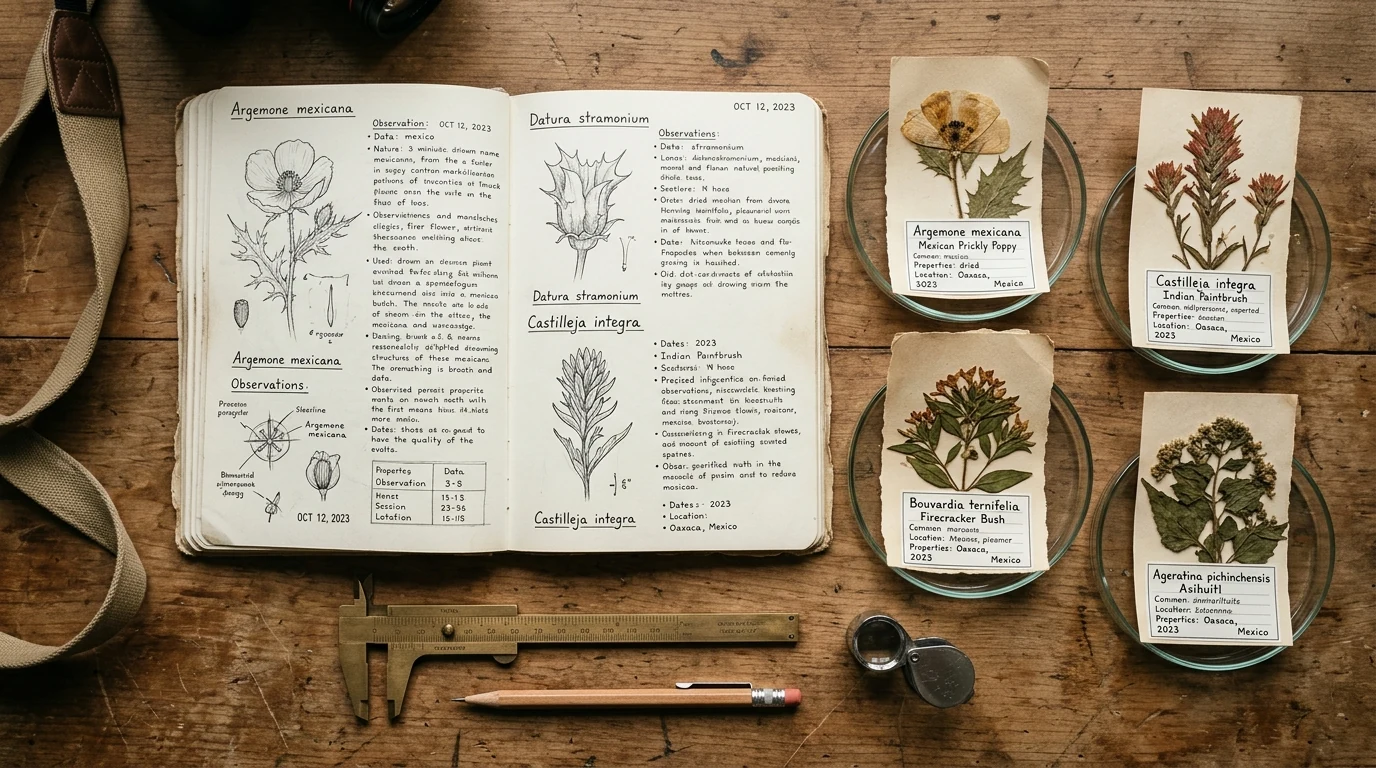
Mint as a Medicinal Plant: Benefits and How to Prepare It
Mint is more than a culinary staple; it is a powerhouse of wellness. Renowned for its ability to soothe digestive distress, alleviate tension headaches, and clear respiratory congestion, this versatile herb offers a natural approach to daily health. To harness its therapeutic properties safely, the method of preparation must align with the desired benefit.
Depending on your needs, you can prepare mint in three primary ways:
- Therapeutic Teas: Steep fresh or dried leaves in hot water for 5–10 minutes. This infusion is ideal for calming the stomach and reducing bloating.
- Steam Inhalations: Add a handful of mint leaves to boiling water and inhale the steam. This opens the airways and relieves sinus pressure.
- Topical Applications: Dilute mint essential oil with a carrier oil (like coconut or almond) to massage into temples for headaches or onto sore muscles.
For those seeking a deeper understanding of botanical medicine, we highly recommend exploring comprehensive guides such as "The Herbal Medicine-Maker's Handbook" or "Medical Herbalism", which provide scientific backing and advanced formulation techniques for mint-based remedies.
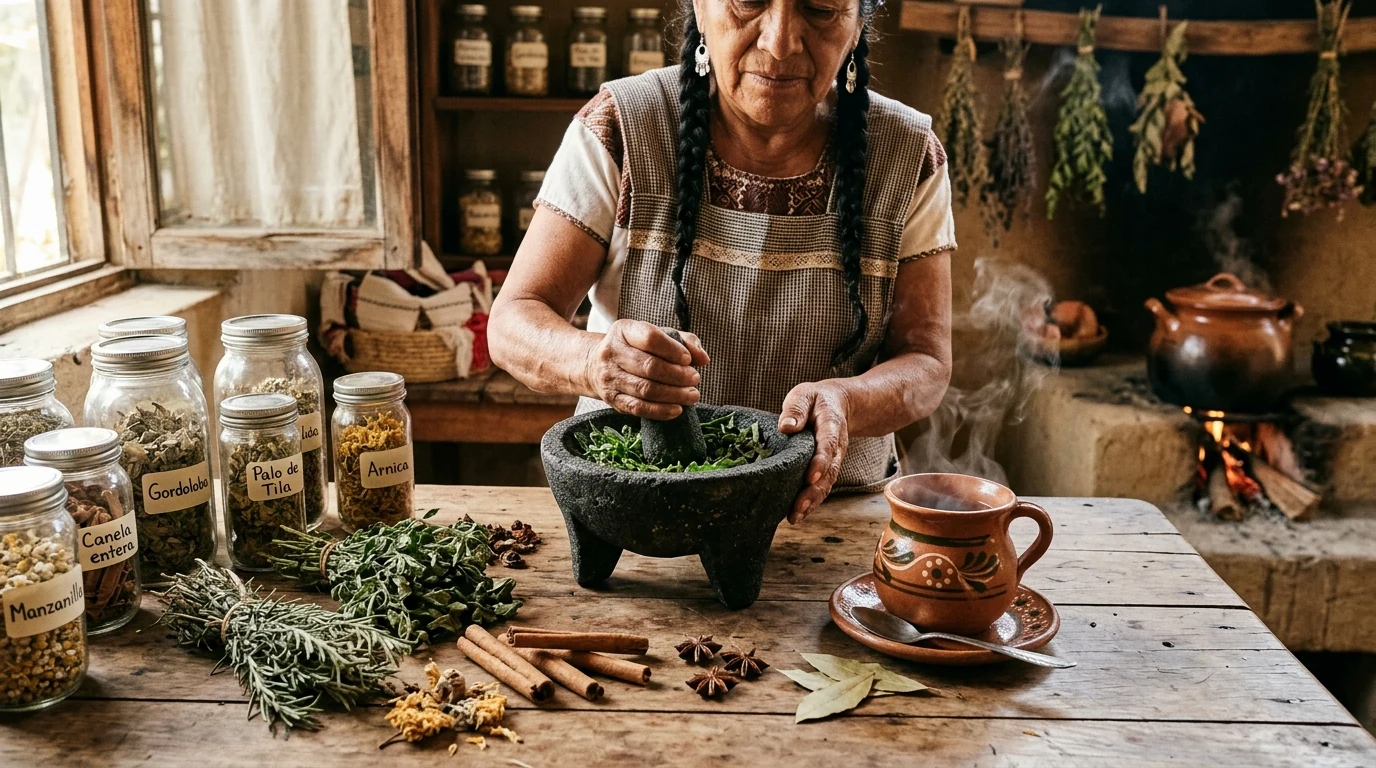
Top Recommended Books About Mint: Expert Picks
To truly master the cultivation and application of mint, one must look beyond basic gardening blogs and delve into authoritative literature. Whether you are a culinary enthusiast, a medicinal herbalist, or a botanical researcher, the right reference can transform your understanding of this aromatic genus from a simple garden herb into a complex pharmacological tool.
Depending on your goals, we recommend focusing on these three distinct categories of literature:
- Field Guides: Essential for accurate identification. Look for regional botanical guides that distinguish between Mentha spicata (spearmint) and Mentha piperita (peppermint) through detailed morphology.
- Ethnobotanical References: These works explore the historical and cultural relationship between humans and mint, offering deep insights into traditional uses across different civilizations.
- Practical Herbals: For those seeking application, modern herbals provide evidence-based protocols for using mint in aromatherapy and holistic wellness.
"The secret to a thriving mint garden lies not in the soil, but in the depth of the gardener's knowledge regarding the plant's invasive nature and chemical potency."
By synthesizing these perspectives, you can ensure your approach to mint is both scientifically sound and practically effective.
¿Deseas profundizar en Libros recomendados sobre la menta?
Consulta la selección de libros oficiales, manuales de botica y hierbas auténticas disponibles en Amazon con envío prioritario:
Check Prices and Deals on Amazon ↗Frequently Asked Questions about Mexican Herbalism Books
What is mint used for?
Mint is traditionally used to ease digestion, relieve headaches, reduce nausea, and support respiratory comfort. Modern research highlights menthol's antispasmodic, antimicrobial, and soothing properties.
How is mint prepared as a medicinal remedy?
The most common preparation is an infusion of 1–2 teaspoons of fresh or dried mint leaves in hot water for 5–10 minutes, consumed up to three times daily. It can also be used in steam inhalations or diluted topical oils.