Libros recomendados sobre plantas de la milpa
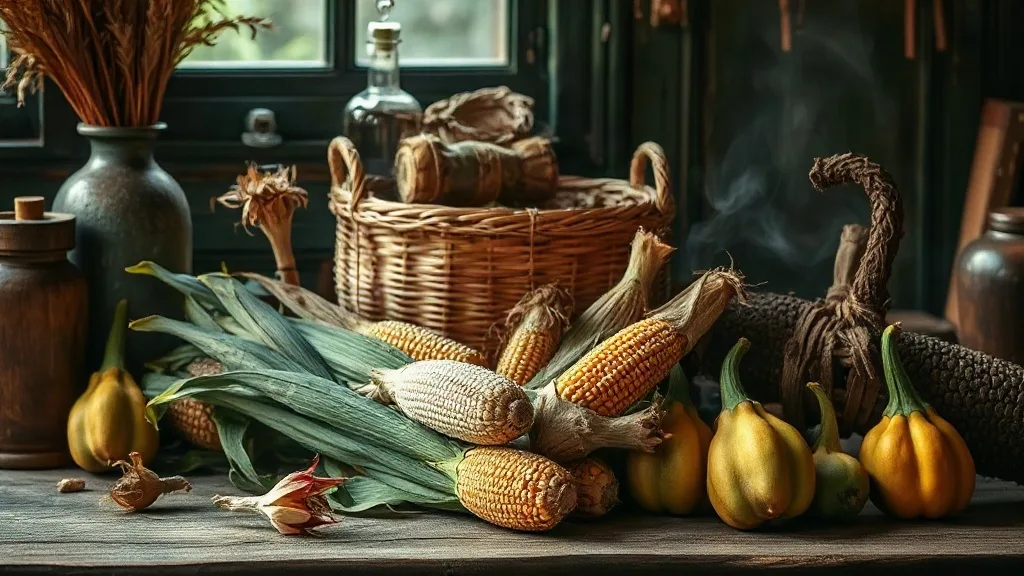

Key Summary: For a rigorous yet accessible exploration of the milpa, prioritize The Milpa Alliance guides and academic works on Mesoamerican agroecology. These resources expertly detail the symbiotic relationship between maize, beans, and squash, offering essential insights into sustainable biodiversity and ancestral farming wisdom for modern readers.
What Is Milpa and Why Do Its Plants Matter?
The milpa is far more than a simple cornfield; it is a sophisticated, ancestral agroecological system developed in Mesoamerica. At its heart lies a symbiotic relationship known as the "Three Sisters"—corn, beans, and squash—which naturally enrich the soil and protect one another from pests. However, the true magic of the milpa resides in the diverse array of wild and cultivated medicinal plants that thrive within this polyculture, creating a living pharmacy of immense biodiversity.
From anti-inflammatory herbs to potent respiratory remedies, these plants offer holistic therapeutic benefits that have sustained communities for millennia. Because many of these species look similar or require specific preparation to be effective, precision is vital. This is why enthusiasts and practitioners seek reliable, expert-authored books. High-quality guides are essential to ensure:
- Accurate Identification: Distinguishing healing plants from toxic look-alikes.
- Precise Dosage: Understanding the safe concentrations for various therapeutic needs.
- Traditional Application: Learning the correct methods of extraction and administration.
Investing in authoritative literature transforms a casual interest in botany into a safe, sustainable practice of natural healing.
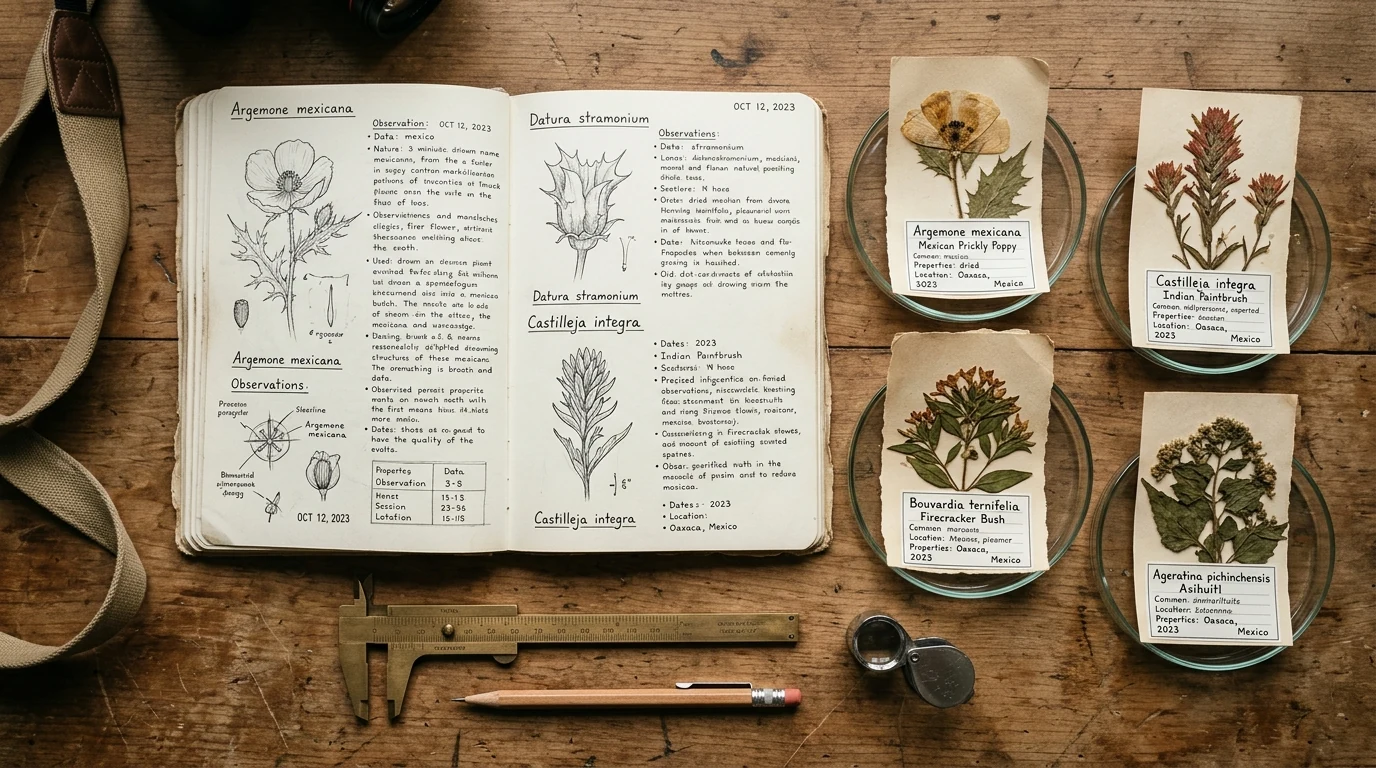
Top Recommended Books on Milpa Plants by Use and Plant Part
Mastering the milpa system requires a holistic understanding of how symbiotic plants interact. To guide your learning, we have curated a progressive reading list categorized by plant part and functional use, moving from general ecology to specific botanical applications.
- The Holistic Milpa: "The Milpa Alliance" – An essential starting point covering the synergy between corn, beans, and squash. Best for: Beginners seeking a systemic overview.
- The Ladrillo Milpa (Structural Support): "Traditional Mesoamerican Agroecology" – Focuses on the "brick" or structural framework of the milpa, detailing how vertical growth optimizes space. Best for: Gardeners and permaculture designers.
- Milpa Roots & Soil Health: "Rhizosphere Dynamics in Tropical Crops" – A deep dive into the root systems and nitrogen-fixing capabilities of milpa legumes. Best for: Those interested in soil regeneration and botany.
- Milpa Leaves & Forage: "Edible Greens of the Americas" – Explores the nutritional value and culinary uses of the foliage and tender shoots. Best for: Chefs and nutritionists focusing on sustainable foraging.
Follow this sequence to transition from a broad conceptual understanding to a technical mastery of every layer of the milpa ecosystem.
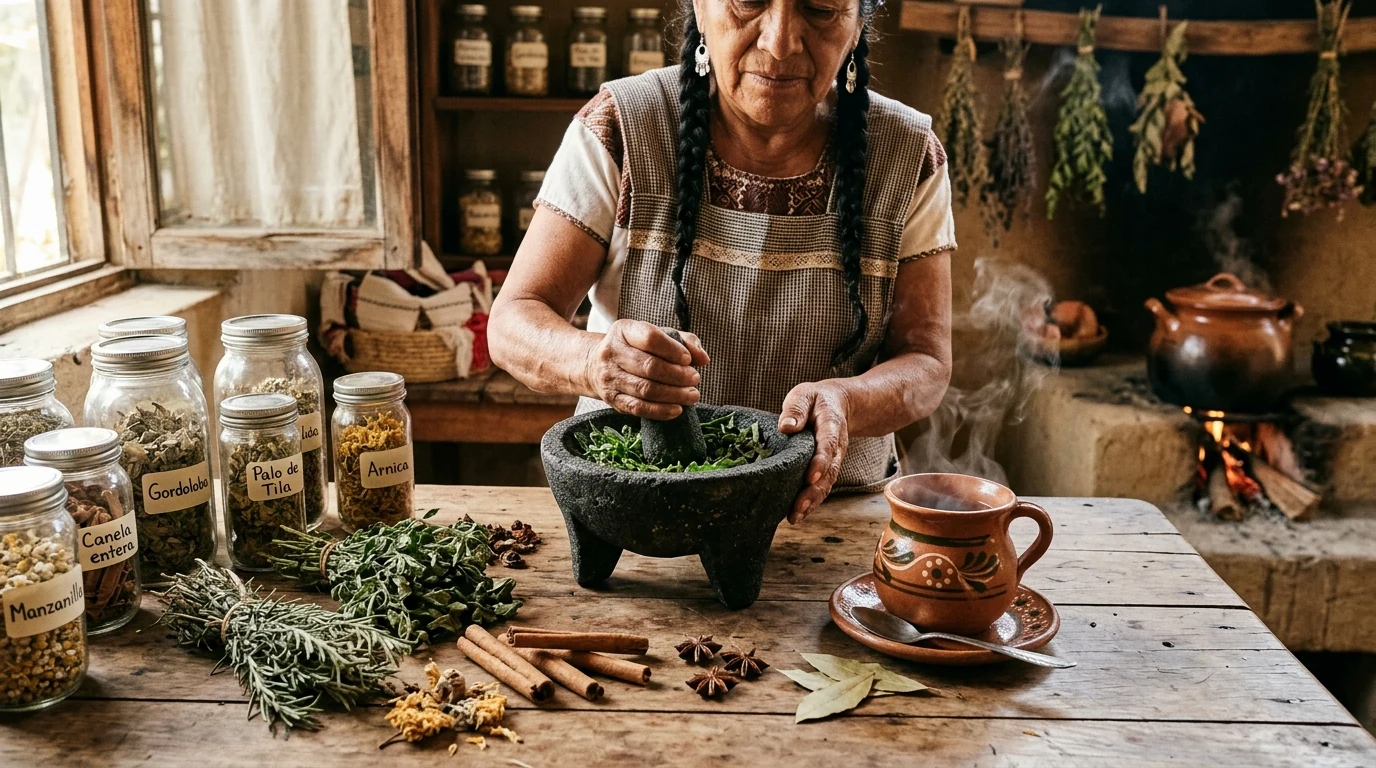
How to Choose the Right Milpa Book and Use It Safely
Selecting a guide on Milpa plants requires a balance between traditional wisdom and scientific rigor. To ensure you are investing in a reliable resource, prioritize authors with established credibility—look for botanists, ethnobotanists, or practitioners with documented experience in Mesoamerican agriculture. A high-quality manual must offer precise botanical accuracy, including Latin binomials, to prevent dangerous misidentifications of similar-looking species.
Beyond identification, the utility of a book lies in its safety protocols. Ensure your chosen guide provides clear dosage guidance and explicit safety warnings, particularly regarding contraindications with medications or toxicity in certain growth stages. To practice herbalism responsibly, consider these essential criteria:
- Botanical Precision: High-resolution imagery and detailed morphological descriptions.
- Dosage Clarity: Specific measurements rather than vague terms like "a pinch."
- Safety Frameworks: Clear sections on side effects and prohibited uses.
For a truly holistic approach, we recommend pairing your primary text with complementary resources, such as peer-reviewed pharmacological databases or consultations with certified herbalists. This multi-layered verification ensures that your journey into the Milpa's healing potential remains both educational and safe.
¿Deseas profundizar en Libros recomendados sobre plantas de la milpa?
Consulta la selección de libros oficiales, manuales de botica y hierbas auténticas disponibles en Amazon con envío prioritario:
Check Prices and Deals on Amazon ↗Frequently Asked Questions about Mexican Herbalism Books
What is milpa used for in herbal medicine?
Milpa plants are used in Mexican traditional herbalism for digestive, anti-inflammatory, respiratory, and topical remedies; books on the subject document identification, active compounds, and safe dosage.
What are ladrillo milpa, milpa root, and milpa leaf used for?
Ladrillo milpa, milpa root, and milpa leaf each have distinct traditional applications—ladrillo milpa is often associated with topical or wound-care preparations, the root with deeper tonic or digestive support, and the leaf with teas and respiratory remedies; always consult a botanically accurate guide and a qualified practitioner before use.