Libros recomendados sobre plantas medicinales de los pueblos originarios
Key Summary: For a rigorous yet accessible exploration, prioritize works by ethnobotanists and indigenous scholars. Look for titles focusing on Amazonian or Mesoamerican pharmacopeia that blend traditional ecological knowledge with scientific validation, ensuring the authors respect intellectual property and the sacred cultural heritage of the original peoples.
Why Indigenous Medicinal Plant Knowledge Still Matters
For centuries, indigenous communities have curated a sophisticated understanding of botany, weaving together empirical observation and spiritual connection. However, in the rush toward synthetic pharmacology, a profound gap has emerged. Modern readers often encounter herbalism through fragmented digital snippets or commercial trends, stripping these plants of their cultural context and, more importantly, their safety protocols.
Bridging this divide requires more than a simple list of remedies; it demands a commitment to ethical learning. Trustworthy, culturally grounded literature is essential because it transforms a "recipe" into a relationship. These resources ensure that the pursuit of wellness does not become an act of appropriation, but rather one of respect and preservation.
High-quality guides are vital for several reasons:
- Safety and Precision: Proper identification and dosage prevent toxicity and dangerous drug interactions.
- Cultural Integrity: They honor the ancestral lineages and the stewards of this knowledge.
- Ecological Stewardship: They teach sustainable harvesting to prevent the over-exploitation of wild species.
By turning to authoritative texts, we move beyond superficial trends toward a holistic understanding of nature's pharmacy.
How to Choose and Use Plant-by-Plant Guides Safely
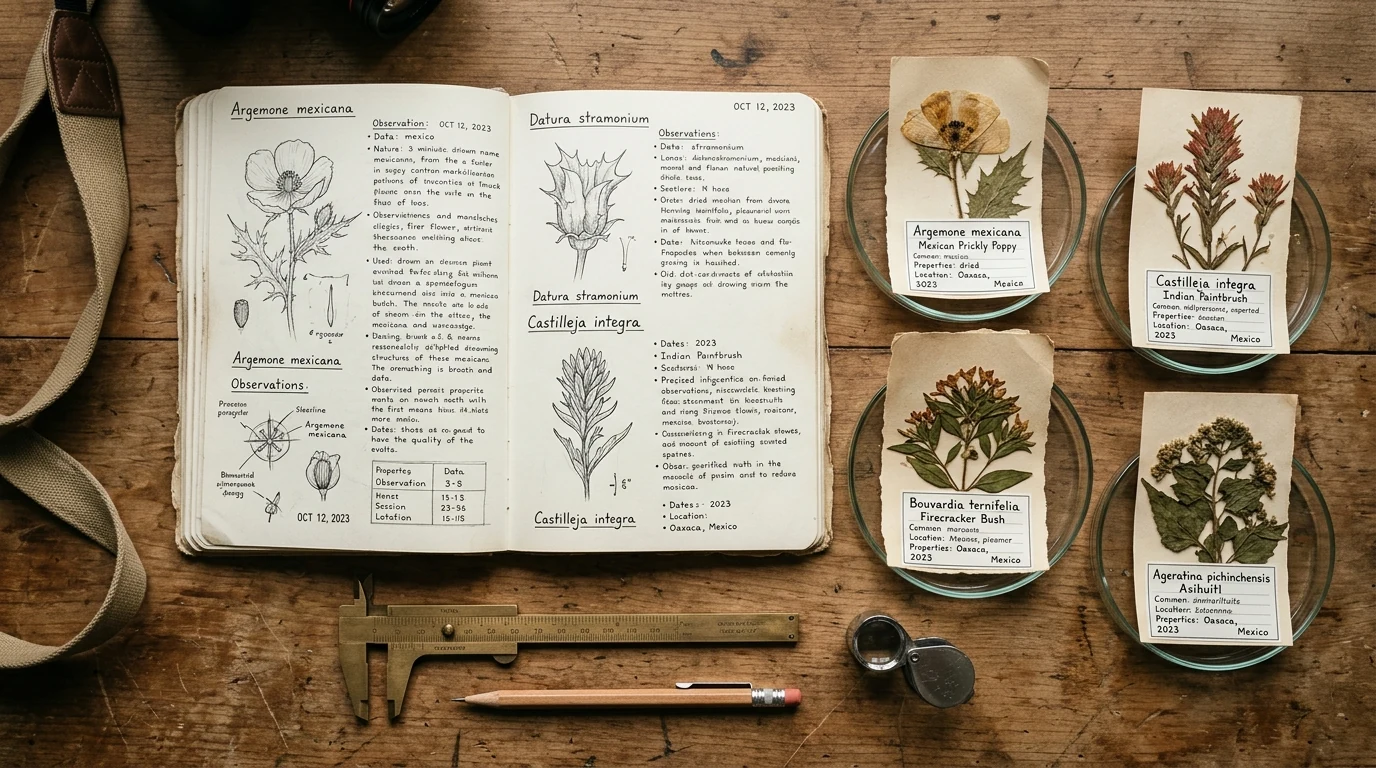
Navigating the vast wisdom of indigenous botanical knowledge requires a balance of reverence and rigorous scrutiny. Not all guides are created equal; therefore, selecting a reliable resource is the first step toward a safe healing practice. When evaluating a plant-by-plant guide, prioritize botanical accuracy—ensure the author provides scientific Latin names alongside common names to avoid dangerous misidentifications.
To ensure your safety and the integrity of the practice, look for these essential criteria:
- Dosage and Preparation: The guide must offer precise measurements and clear methods of administration rather than vague suggestions.
- Contraindications: High-quality texts explicitly list potential drug interactions and groups (e.g., pregnant women) who should avoid specific plants.
- Sourcing Ethics: Prioritize authors who emphasize sustainable harvesting and respect for the intellectual property of indigenous communities.
- Contextual Matching: Choose guides tailored to your specific bioregion to ensure the plants are native and ecologically appropriate.
Pro Tip: Never rely on a single source. Cross-reference your chosen guide with a clinical pharmacopeia or consult a certified herbalist to validate safety protocols before application.
Top Recommended Books Compared
Navigating the vast landscape of ancestral botanical knowledge requires guides that balance scientific rigor with deep respect for indigenous traditions. While several compendiums exist, the leading titles differ significantly in their pedagogical approach and practical application.
- The Comprehensive Encyclopedia: Best for academic researchers and professional herbalists. It offers the widest plant coverage and detailed pharmacological data, though its dense format may overwhelm the casual reader.
- The Field Practitioner’s Guide: Designed for those in the field. Its strength lies in high-resolution imagery and rapid identification keys, making it the gold standard for practical usability during foraging.
- The Ancestral Wisdom Narrative: Ideal for spiritual seekers and students of ethnobotany. Rather than focusing solely on chemical properties, it emphasizes the ritualistic and cultural context of healing, providing a holistic understanding of plant spirit.
Choosing the right guide depends on your objective: seek the Encyclopedia for technical precision, the Field Guide for immediate identification, or the Narrative for a deeper connection to the indigenous worldview.
¿Deseas profundizar en Libros recomendados sobre plantas medicinales de los pueblos originarios?
Consulta la selección de libros oficiales, manuales de botica y hierbas auténticas disponibles en Amazon con envío prioritario:
Check Prices and Deals on Amazon ↗Frequently Asked Questions about Mexican Herbalism Books
What are the best books about medicinal plants used by indigenous peoples?
The best titles combine ethnobotanical research, clear botanical identification, safe dosage guidance, and respect for traditional knowledge. Look for guides organized by plant, written by recognized ethnobotanists or healers, and updated with modern safety data.
How can I use these herbal guides safely and respectfully?
Use them as educational references, not medical prescriptions. Verify plant identity with local experts, check contraindications and drug interactions, source plants sustainably, and honor the cultural origins of the knowledge.