Los mejores libros de herbolaria mexicana con enfoque científico


Key Summary: For evidence-based Mexican herbalism, prioritize the Pharmacopeia of Mexico for regulatory rigor and works by Dr. Juan Badillo for botanical precision. Seek publications from UNAM or IPN that integrate ethnobotanical tradition with pharmacological validation to ensure safety, efficacy, and scientifically grounded therapeutic applications.
Why a Scientific Approach Matters in Mexican Herbalism
Mexican herbalism is a treasure trove of ancestral wisdom, but there is a critical distinction between traditional folklore and therapeutic application. While anecdotes provide a starting point, relying solely on "word-of-mouth" remedies can be precarious. To truly harness the power of nature, a transition toward botanical accuracy and pharmacological rigor is essential.
A scientific approach transforms a simple home remedy into a precise health tool by prioritizing four fundamental pillars:
- Botanical Accuracy: Ensuring the correct species is identified to avoid toxic look-alikes.
- Verified Dosage: Moving beyond "a pinch" or "a handful" to standardized amounts that ensure efficacy without toxicity.
- Active Compounds: Understanding the specific phytochemicals responsible for the healing effect.
- Safety Profiles: Identifying potential contraindications and dangerous interactions with pharmaceutical drugs.
"The goal is not to replace tradition, but to validate it. By bridging the gap between the curandero and the chemist, we ensure that natural medicine is not only traditional but safe and predictable."
Choosing literature that integrates ethnobotany with modern science allows practitioners to treat the body with respect, precision, and evidence-based confidence.
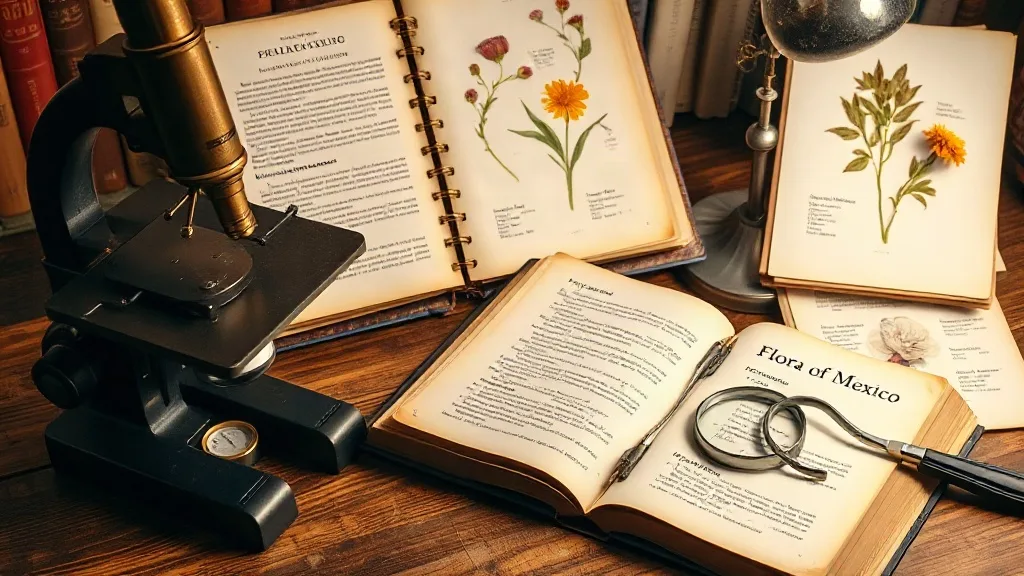
Key Plants, Active Compounds, and Safe Use Principles
To navigate the vast landscape of Mexican herbalism with scientific rigor, it is essential to move beyond anecdotal evidence. A high-quality reference must provide a structured framework that bridges traditional wisdom with pharmacological validation. When evaluating a text, ensure it follows a systematic approach to plant safety and efficacy.
A reliable scientific guide should lead the reader through these critical evaluation steps:
- Botanical Precision: Verification of the correct Latin binomial nomenclature to avoid toxic look-alikes.
- Phytochemical Profiling: Identification of active compounds (alkaloids, flavonoids, terpenes) responsible for the therapeutic effect.
- Evidence-Based Efficacy: Documentation of clinical studies or ethnobotanical data that support specific health claims.
- Safety Protocols: Clear disclosure of contraindications, potential drug interactions, and dosage limits.
- Standardized Preparation: Precise instructions on extraction methods—such as infusions, decoctions, or tinctures—to preserve volatile compounds.
The goal is to transform traditional knowledge into a predictable, safe, and reproducible therapeutic practice, ensuring that the potency of Mexico's biodiversity is harnessed without compromising patient safety.
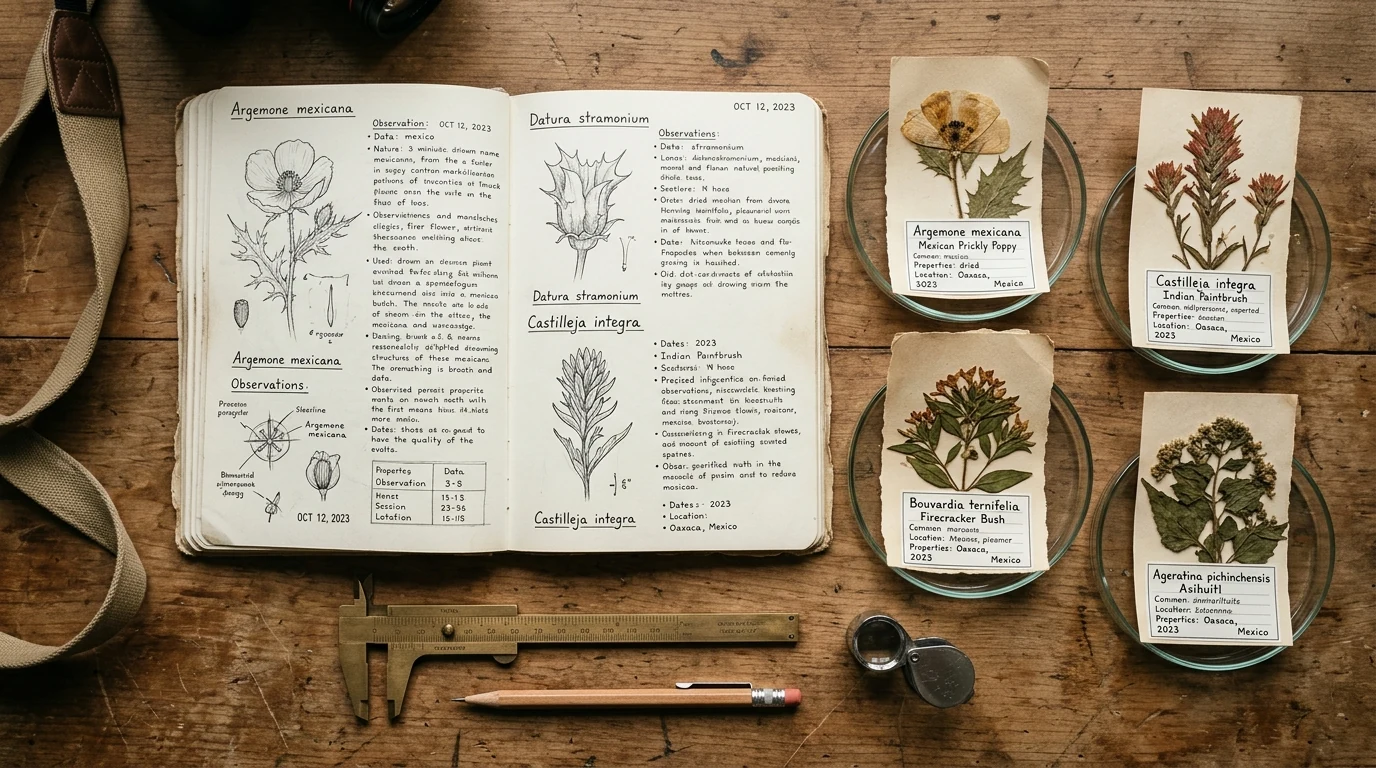
Top Recommended Books and Free UNAM PDF Resources Compared
Navigating the vast landscape of Mexican herbalism requires a balance between ancestral wisdom and rigorous pharmacological validation. While commercial textbooks offer structured learning, the open-access repositories from the Universidad Nacional Autónoma de México (UNAM) provide an unparalleled scientific baseline for those seeking evidence-based botany.
To help you choose the right material, we have ranked the top resources based on their scientific depth, practical usability, and institutional reliability:
- UNAM Digital Repositories (Free PDFs): Highest Reliability. These resources are the gold standard for scientific depth, offering peer-reviewed monographs on phytochemical properties and toxicity. Ideal for researchers and clinicians.
- Specialized Botanical Treatises: High Practicality. Comprehensive books focusing on "Herbolaria Mexicana" bridge the gap between laboratory data and field application, providing detailed identification guides.
- Traditional Herbal Manuals: High Usability. While excellent for quick reference and cultural context, they often lack the rigorous pharmacological citations found in UNAM’s academic materials.
Expert Tip: For a professional approach, cross-reference traditional usage found in manuals with the herbolaria mexicana pdf unam archives to ensure safety and dosage accuracy.
¿Deseas profundizar en Los mejores libros de herbolaria mexicana con enfoque científico?
Consulta la selección de libros oficiales, manuales de botica y hierbas auténticas disponibles en Amazon con envío prioritario:
Check Prices and Deals on Amazon ↗Frequently Asked Questions about Mexican Herbalism Books
What does 'herbolaria mexicana UNAM' mean and why is it relevant?
It refers to the academic study and research of Mexican medicinal plants led or validated by UNAM. It is relevant because it signals botanically verified, peer-reviewed, and safety-focused content rather than unverified folk remedies.
Can I find reliable herbolaria mexicana PDFs from UNAM for free?
Yes, UNAM and associated research institutes often publish open-access theses, botanical manuals, and ethnobotanical monographs. These PDFs are useful for verifying plant identity, traditional uses, and preliminary pharmacological data, but always consult a qualified healthcare professional before therapeutic use.