Reseña: “Plantas curativas de los mercados tradicionales
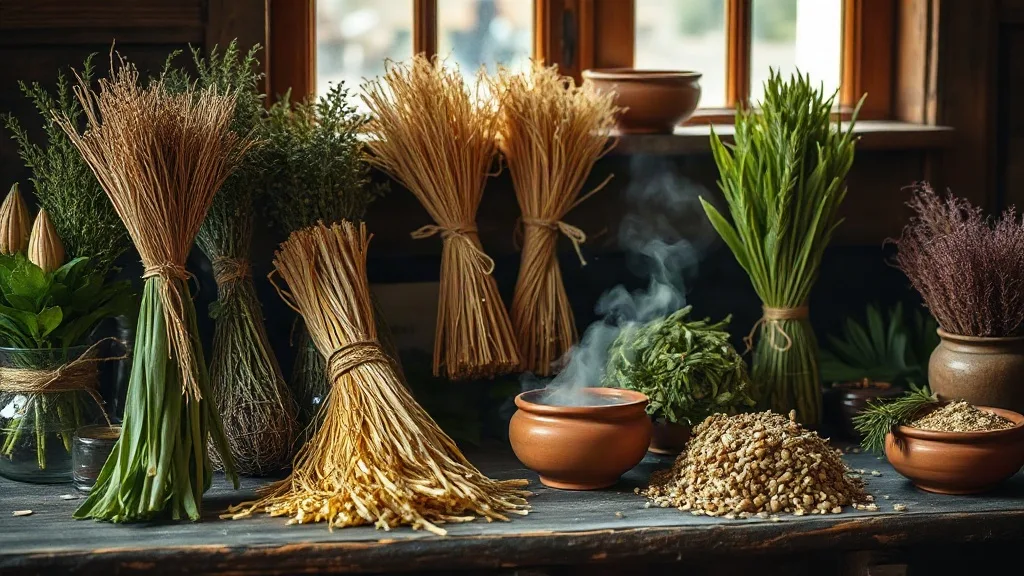
Key Summary: A fascinating bridge between ancestral wisdom and botanical science. This guide celebrates traditional healing markets with rigor, balancing cultural respect with essential safety warnings. It is an engaging, accessible resource for anyone seeking to explore nature’s pharmacy through a lens of modern pharmacological caution.
What the book offers and why traditional market herbalism still matters
There is a profound and often dangerous gap between ancestral folk knowledge and safe, modern herbal practice. While traditional wisdom is invaluable, the lack of standardization in market settings—where plants are often misidentified or adulterated—creates a risk for the contemporary user. This book serves as a critical bridge, transforming oral tradition into a documented, verifiable resource.
Rather than relying on idealized botanical texts, this work documents the actual plants being sold in Mexican traditional markets. It provides a pragmatic lens on ethnobotany, ensuring that the bridge between the vendor's stall and the patient's health is built on accuracy and safety.
By integrating traditional usage with rigorous identification, the book offers:
- Empirical Validation: A detailed catalog of species commonly traded in local markets.
- Safety Frameworks: Guidance to distinguish therapeutic plants from toxic look-alikes.
- Cultural Preservation: A record of the living heritage of Mexican herbalism.
Ultimately, traditional market herbalism still matters because it is the heartbeat of community health; this book ensures that this heartbeat continues to beat with scientific precision and safety.
Key healing plants, remedies, and how to use them safely
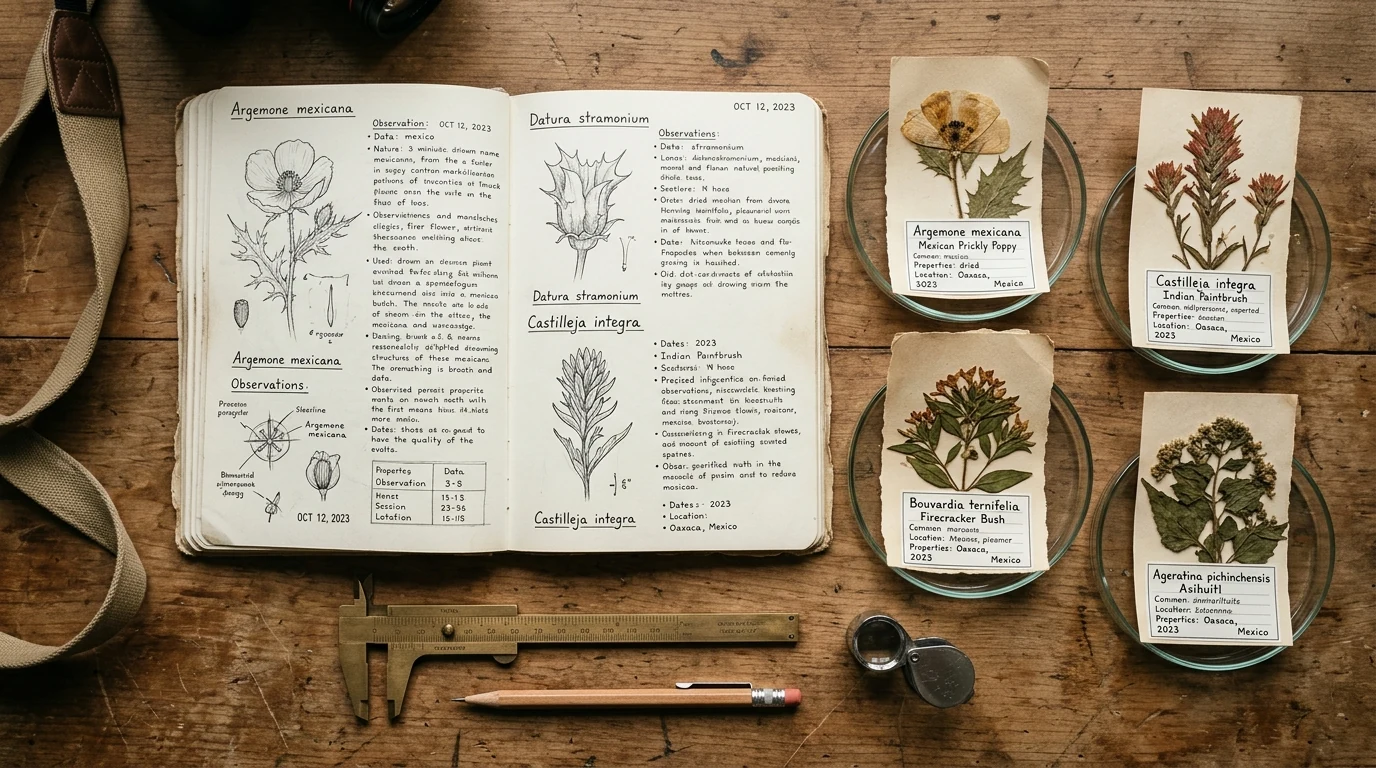
Traditional markets are living pharmacies where ancestral wisdom meets botanical potency. Among the most sought-after species are Aloe Vera, prized for its acemannan compounds to soothe burns, and Turmeric, whose active curcumin provides powerful anti-inflammatory benefits. For respiratory support, Eucalyptus remains a staple, utilizing eucalyptol to clear airways through steam inhalation.
To transition from market purchase to safe home remedy, precision is paramount. Follow these essential guidelines to ensure therapeutic efficacy without risking toxicity:
- Identification: Always verify the botanical name with a certified herbalist to avoid look-alike toxic species.
- Preparation: For infusions, use boiling water poured over leaves (not boiled with them) to preserve volatile oils. For decoctions (roots/bark), simmer gently for 10–15 minutes.
- Dosage: Start with the lowest recommended dose. Remember that "natural" does not mean "risk-free"; potency varies by harvest and region.
- Contraindications: Consult a healthcare provider if you are pregnant, nursing, or taking pharmaceutical medication to avoid dangerous herb-drug interactions.
Safety Tip: Store your dried herbs in airtight, amber glass containers away from direct sunlight to maintain the integrity of their active compounds.
How this guide compares to other ethnobotanical and herbal resources
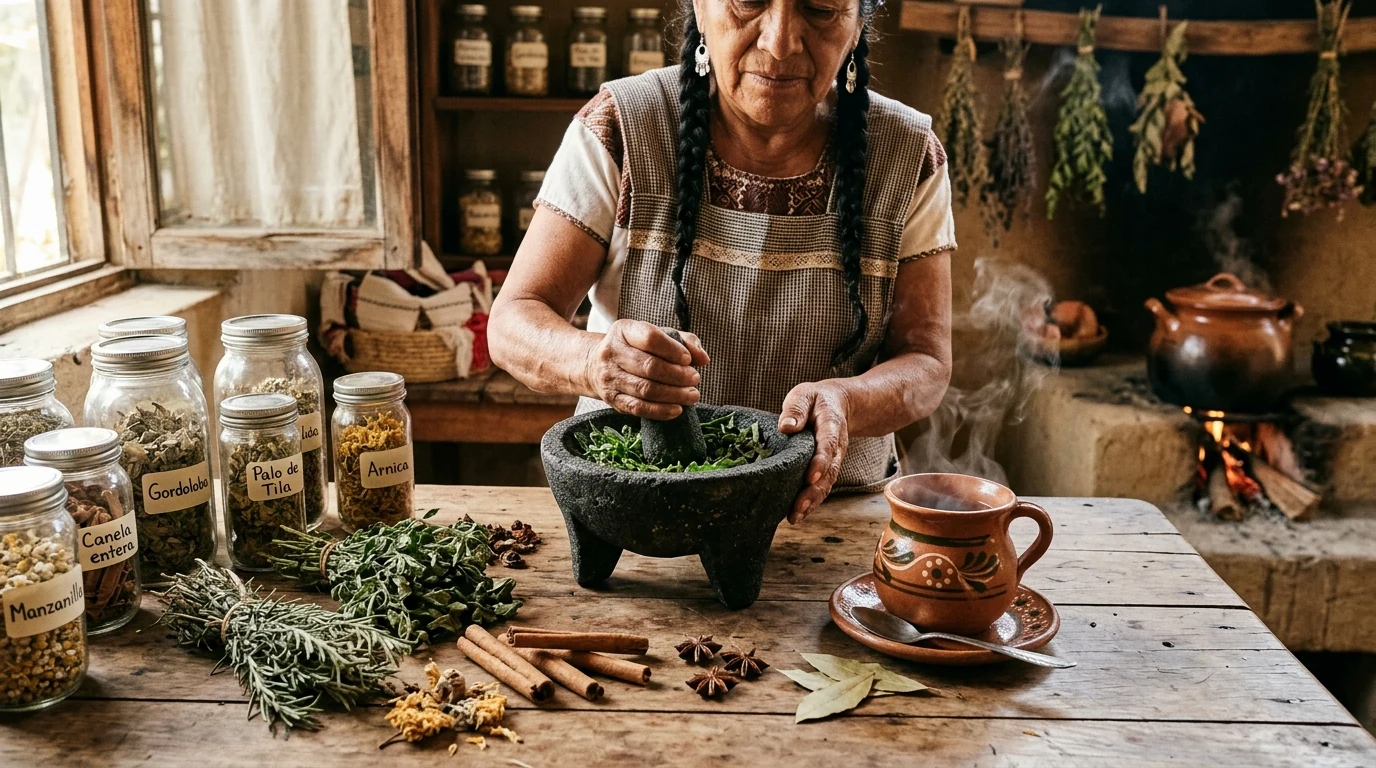
Unlike traditional academic monographs that prioritize taxonomic rigor or clinical pharmacology, Plantas curativas de los mercados tradicionales distinguishes itself through its sociocultural lens. While standard field guides focus on botany in the wild, this work captures the living intersection of biodiversity and urban commerce, documenting how ancestral knowledge is preserved and traded in real-time.
Compared to exhaustive herbal encyclopedias, this guide is more agile and accessible, serving as a practical bridge between professional ethnobotany and grassroots traditional medicine. However, because it prioritizes the market context, it is designed to be a complementary tool rather than a standalone diagnostic manual.
To ensure a holistic and safe approach to herbalism, we recommend pairing this guide with the following resources:
- Botanical Atlases: For precise morphological identification and verification of species to avoid toxic look-alikes.
- Pharmacological Databases: To cross-reference traditional uses with evidence-based contraindications and drug interactions.
- Sustainability Guidelines: Resources on the CITES appendices to ensure that the procurement of these plants does not contribute to the overexploitation of endangered species.
¿Deseas profundizar en Reseña: “Plantas curativas de los mercados tradicionales?
Consulta la selección de libros oficiales, manuales de botica y hierbas auténticas disponibles en Amazon con envío prioritario:
Check Prices and Deals on Amazon ↗Frequently Asked Questions about Mexican Herbalism Books
What is 'Plantas curativas de los mercados tradicionales' about?
It is a specialized book review category resource that documents the medicinal plants commonly sold in Mexican traditional markets, combining ethnobotanical identification, traditional uses, and guidance on safe therapeutic application.
Is the information in the book safe for self-medication?
The book provides valuable traditional and botanical context, but safe use requires correct plant identification, proper dosage, awareness of contraindications, and ideally consultation with a qualified health professional or clinical herbalist.