Reseña: “Plantas medicinales de la milpa
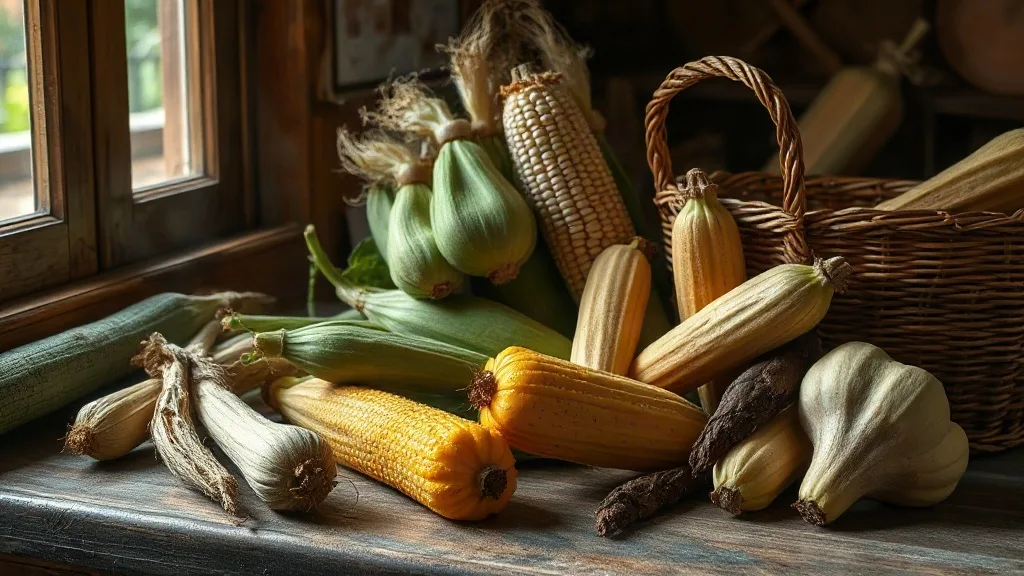

Key Summary: This essential guide masterfully bridges ancestral wisdom and botanical science. It offers a rigorous yet accessible exploration of the milpa’s healing flora, transforming traditional knowledge into a practical resource. An indispensable read for anyone seeking to rediscover the medicinal power of Mexico’s sustainable agricultural heritage.
What Is Milpa and Why Does It Matter in Mexican Herbal Medicine?
The milpa is far more than a traditional farming plot; it is a sophisticated polyculture system rooted in Mesoamerican antiquity. At its core, it revolves around the symbiotic "Three Sisters"—maize, beans, and squash—which create a self-sustaining ecosystem that preserves soil fertility and biodiversity. From an ethnobotanical perspective, the milpa serves as a living pharmacy, harboring a diverse array of spontaneous and cultivated medicinal plants that have sustained indigenous health for millennia.
In the context of Mexican herbal medicine, the milpa represents a holistic approach to wellness where nutrition and therapy are inextricably linked. However, as ancestral knowledge faces the risk of erosion, the transition from oral tradition to formal record is critical. This is why scientific documentation is essential:
- Standardization: To ensure the correct identification of species and avoid toxic look-alikes.
- Dosage and Safety: To establish evidence-based guidelines for therapeutic use and potential drug interactions.
- Conservation: To protect genetic diversity against industrial monoculture.
Ultimately, documenting the medicinal flora of the milpa bridges the gap between traditional wisdom and modern pharmacology, ensuring these botanical treasures are used safely and sustainably.
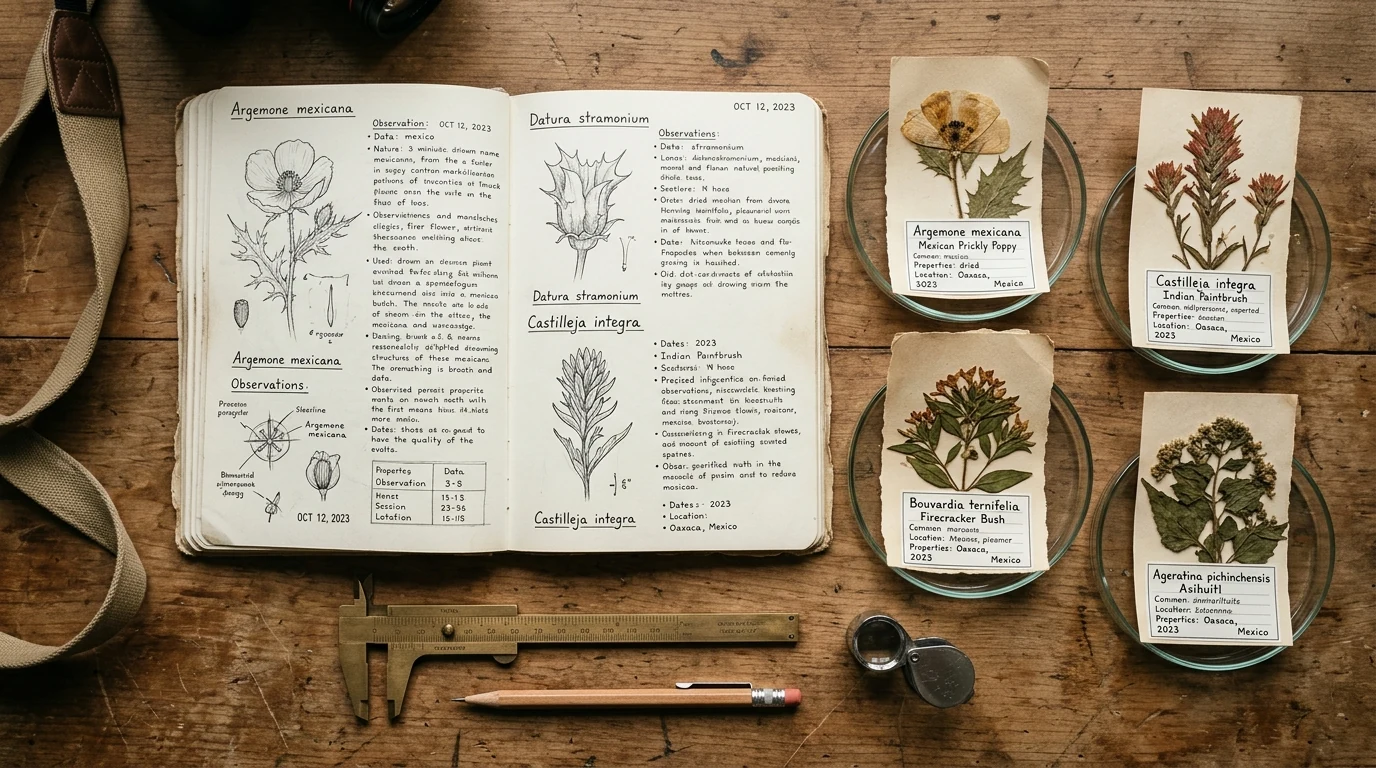
How to Use Milpa Plants: Brick, Root, and Leaf Remedies Step by Step
Integrating the ancestral wisdom of the milpa into modern wellness requires precision and respect for the plant's potency. These traditional remedies leverage different parts of the plant to target specific ailments, ranging from inflammatory issues to digestive distress.
- Milpa Brick (Stem/Core): Used primarily for its structural nutrients. To prepare, slice the core into thin discs and simmer in water for 15 minutes to create a concentrated decoction. Dosage: One small cup twice daily.
- Milpa Root: Ideal for deep systemic cleansing. Clean the root thoroughly and grate it into a cold-water infusion (maceration) for 12 hours. Dosage: 50ml as a tonic before meals.
- Milpa Leaf: Best for topical or respiratory relief. For a poultice, crush fresh leaves and apply directly to the skin. For tea, steep dried leaves in hot water for 5 minutes. Dosage: 2-3 infusions per day.
Precautions: Always consult a healthcare provider before starting herbal treatments. Avoid excessive dosages during pregnancy or breastfeeding, and discontinue use if skin irritation or allergic reactions occur.
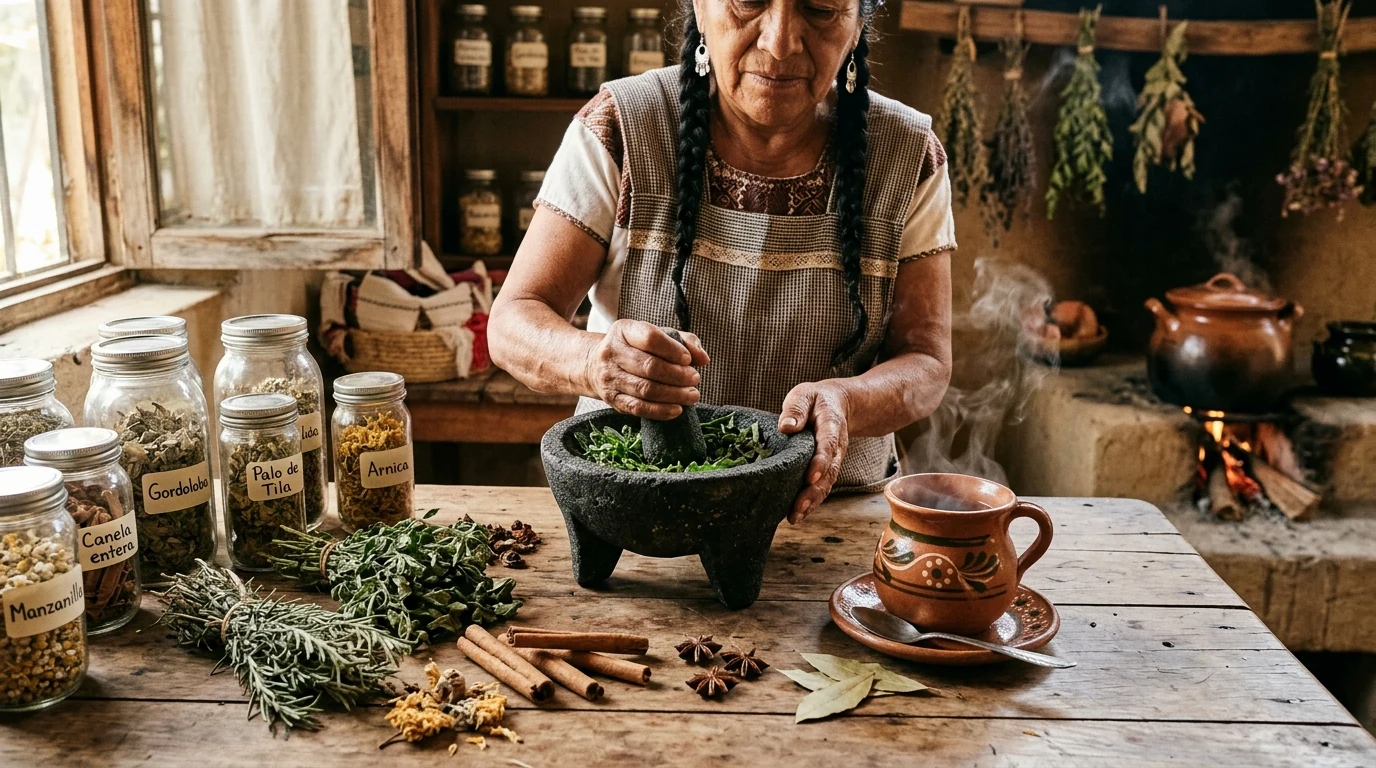
Book Review and Comparison with Other Ethnobotanical Resources
Plantas medicinales de la milpa stands out as a vital bridge between ancestral agricultural wisdom and contemporary botanical study. Unlike exhaustive academic pharmacopeias that prioritize chemical compounds, this work excels in its contextual approach, framing medicinal plants within the symbiotic ecosystem of the milpa. Its primary strength lies in its accessibility and its commitment to preserving the intangible cultural heritage of Mesoamerican farming.
However, when compared to comprehensive ethnobotanical encyclopedias, the book is more focused on regional application than global taxonomy. While it provides an excellent practical guide for community health, researchers seeking rigorous clinical trials or exhaustive biochemical analyses may find its scope limited.
To build a holistic understanding of the field, we recommend pairing this text with the following resources:
- Academic Ethnobotanical Journals: For peer-reviewed data on pharmacological efficacy.
- Regional Floras: To deepen taxonomic precision and species identification.
- Indigenous Oral Histories: To complement the written word with lived traditional practice.
Ultimately, this book is not merely a catalog, but a testament to the resilience of traditional knowledge in the face of modern homogenization.
¿Deseas profundizar en Reseña: “Plantas medicinales de la milpa?
Consulta la selección de libros oficiales, manuales de botica y hierbas auténticas disponibles en Amazon con envío prioritario:
Check Prices and Deals on Amazon ↗Frequently Asked Questions about Mexican Herbalism Books
What is milpa used for in traditional Mexican herbal medicine?
Milpa is used as a source of medicinal plants that support digestive, respiratory, anti-inflammatory, and topical treatments, depending on the plant part and preparation.
What is the difference between ladrillo milpa, milpa root, and milpa leaf?
Ladrillo milpa usually refers to a processed or dried plant form used in infusions or poultices; the root is often employed for deeper tonic or digestive effects, while the leaf is commonly used for topical or mild internal preparations.
Is it safe to use milpa plants without medical supervision?
No. Although traditional use is well documented, correct botanical identification, dosage, and contraindications must be verified with a qualified health professional or reliable ethnobotanical source before use.