Reseña: “Plantas medicinales: tradición y ciencia en México
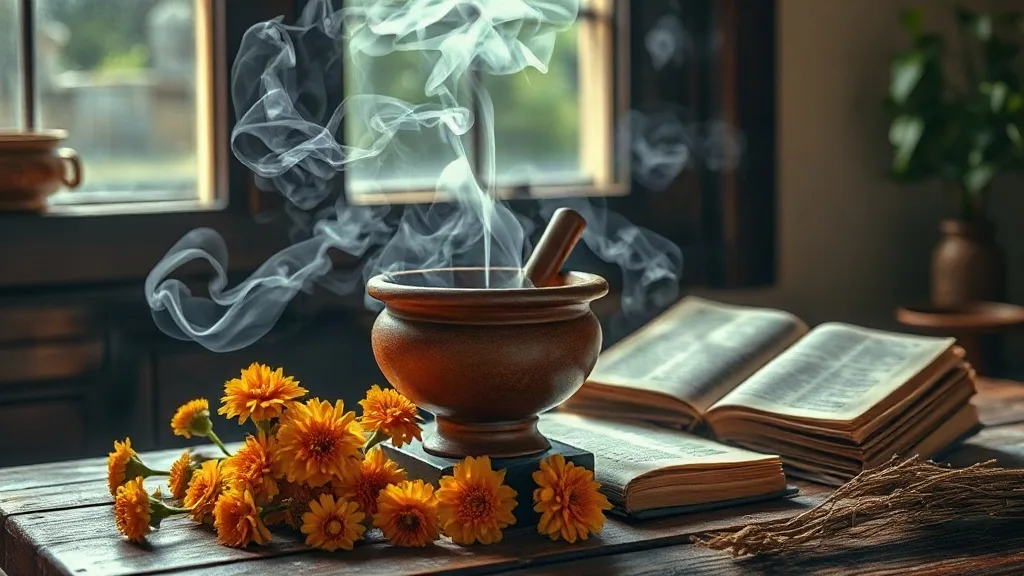

Key Summary: This essential guide masterfully bridges ancestral Mexican wisdom with modern pharmacology. It offers a rigorous yet accessible analysis of medicinal flora, validating traditional healing through scientific evidence. An indispensable resource for health professionals and nature enthusiasts seeking a balanced, evidence-based perspective on botanical medicine.
What the Book Covers and Why It Matters
Plantas medicinales: tradición y ciencia en México serves as a definitive bridge between two worlds: the ancestral wisdom of Mexican herbalism and the rigorous standards of modern pharmacology. Rather than treating traditional medicine as mere folklore, this work meticulously documents the therapeutic properties of native flora, validating centuries of empirical use through the lens of contemporary scientific research.
The scope of the book is comprehensive, offering a detailed exploration of:
- Ethnobotanical Cataloging: A curated guide to key medicinal species, their active compounds, and traditional preparation methods.
- Scientific Validation: An analysis of phytochemical properties that explain why these plants work from a biological perspective.
- Sustainable Integration: Strategies for incorporating botanical knowledge into modern healthcare without erasing cultural heritage.
"This volume fills a critical void in literature, transforming fragmented oral traditions into a structured, evidence-based resource for students, clinicians, and nature enthusiasts alike."
By synthesizing these two paradigms, the book does more than inform—it preserves a vital cultural legacy while providing a scientific roadmap for future drug discovery and holistic wellness.
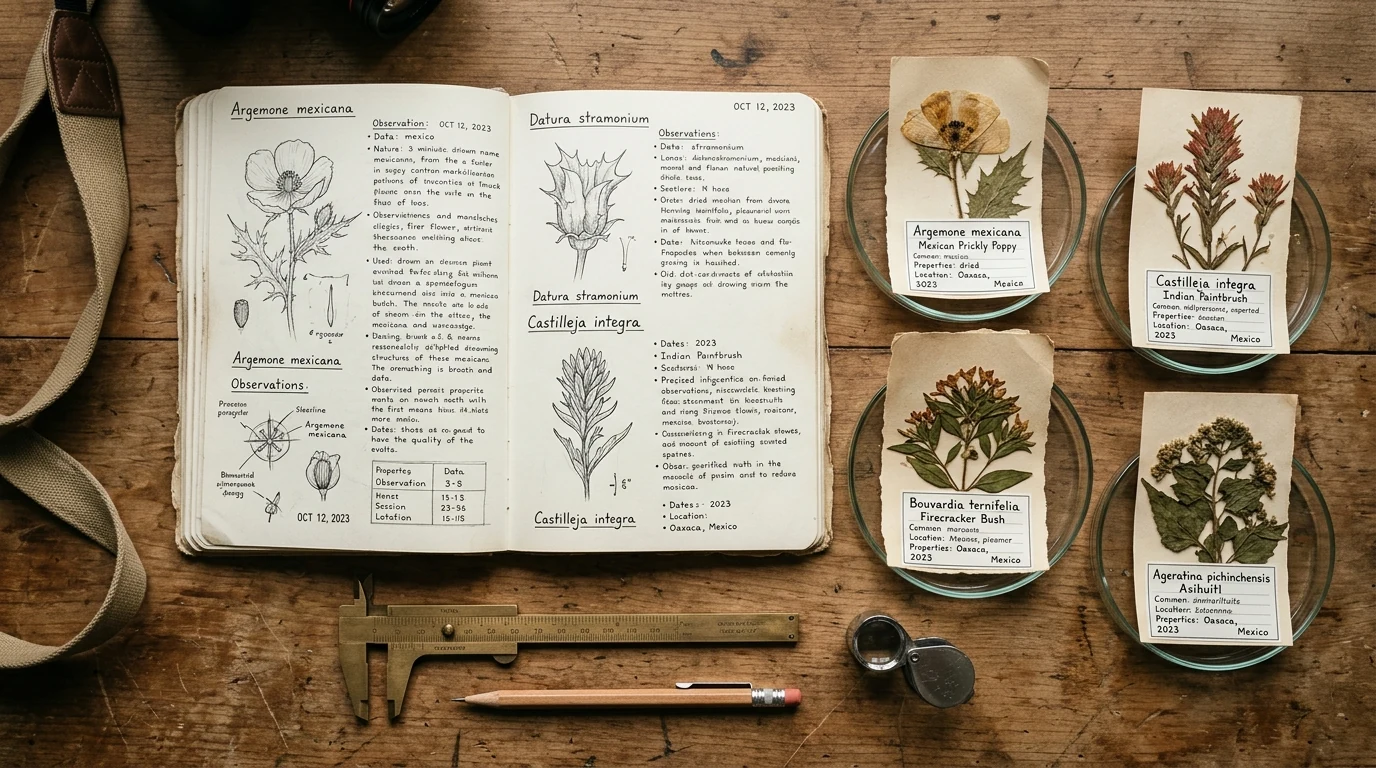
Key Insights: Botanical Identity, Active Compounds, Dosage, and Safety
Plantas medicinales: tradición y ciencia en México serves as a rigorous bridge between ancestral wisdom and modern pharmacology. Rather than relying solely on folklore, the text provides a systematic framework for the therapeutic application of Mexico's rich biodiversity, ensuring that traditional use is validated by scientific evidence.
The core practical guidance of the book is structured around four critical pillars:
- Botanical Identity: Precise taxonomic classification and morphological descriptions to prevent misidentification and ensure the correct species is harvested.
- Active Compounds: A detailed analysis of the phytochemical constituents—such as alkaloids, flavonoids, and terpenes—responsible for the plant's biological activity.
- Recommended Dosages: Evidence-based guidelines on preparation methods (infusions, tinctures, decoctions) and precise dosing to maximize efficacy.
- Safety Considerations: Comprehensive warnings regarding toxicity, potential drug interactions, and contraindications for sensitive populations.
By synthesizing these elements, the author transforms a simple herbal guide into a professional manual, empowering practitioners and enthusiasts to utilize botanical medicine with clinical precision and a safety-first approach.
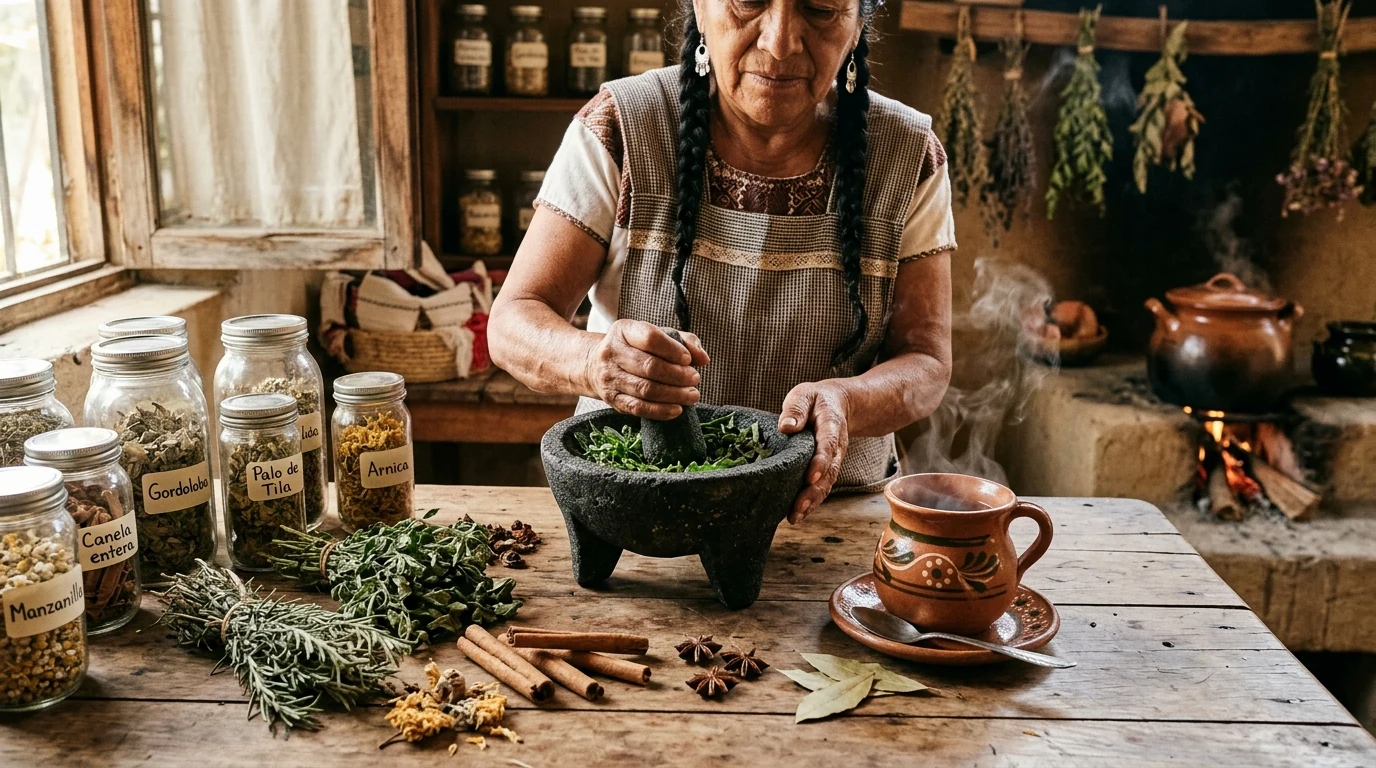
How It Compares to Other Herbal References and Who Should Read It
Unlike generic botanical guides or purely academic pharmacopeias, “Plantas medicinales: tradición y ciencia en México” strikes a sophisticated balance between ancestral wisdom and rigorous clinical validation. While many ethnobotanical works lean heavily toward folklore or strictly toward biochemistry, this volume bridges the gap, offering a holistic perspective that respects cultural heritage without sacrificing scientific accuracy.
This comprehensive approach makes it an indispensable resource for a diverse spectrum of readers:
- Students and Researchers: Those in pharmacology, botany, or anthropology seeking a structured, evidence-based reference on Mexican biodiversity.
- Professional Herbalists: Practitioners looking to refine their prescriptions with data-backed safety profiles and traditional usage patterns.
- Curious Readers: Nature enthusiasts and wellness seekers who wish to explore the healing power of plants through a lens of authenticity and science.
Ultimately, this book is more than a catalog; it is a cultural bridge. Whether you are looking to validate a traditional remedy or conduct academic research, this work stands out as a definitive authority on the intersection of Mexican tradition and modern science.
¿Deseas profundizar en Reseña: “Plantas medicinales: tradición y ciencia en México?
Consulta la selección de libros oficiales, manuales de botica y hierbas auténticas disponibles en Amazon con envío prioritario:
Check Prices and Deals on Amazon ↗Frequently Asked Questions about Mexican Herbalism Books
What is the main thesis of “Plantas medicinales: tradición y ciencia en México”?
The book argues that Mexican traditional herbalism is best preserved and applied when paired with botanical identification, phytochemical evidence, and clear dosage and safety data.
Is this book a reliable guide for clinical or home use of medicinal plants?
It is a strong scholarly reference, but readers should treat it as a complement to professional guidance, especially for dosing, contraindications, and interactions.