Reseña: “Plantas sagradas de México
Key Summary: A rigorous yet accessible guide to Mexico's botanical heritage. This work masterfully blends ethnobotanical precision with cultural insight, offering a compelling exploration of sacred plants. It is an essential, well-researched resource for anyone seeking to understand the profound link between nature and spirituality in Mexico.
What 'Plantas Sagradas de México' Is About and Why It Matters
Plantas Sagradas de México is more than a botanical catalog; it is a profound journey into the intersection of spirituality, ethnobotany, and cultural identity. The book meticulously explores the diverse array of sacred flora native to Mexico, detailing not only their chemical properties but the ancestral wisdom and ritualistic contexts that have defined their use for millennia.
In an era where ancient traditions are often stripped of their meaning or commercialized, this work fills a critical void. It bridges the gap between raw traditional knowledge and the needs of the contemporary reader by providing:
- Respectful Contextualization: Moving beyond superficial trends to honor the indigenous lineages that guarded this knowledge.
- Evidence-Informed Guidance: Balancing mystical narratives with scientific insights to ensure a safe and grounded understanding.
- Ethical Frameworks: Promoting a conscious approach to plant medicine that prioritizes sustainability and cultural reverence.
Ultimately, this book matters because it transforms the reader from a mere observer into a conscious student, offering a sophisticated roadmap for those seeking a deeper, more respectful connection with the healing power of the Mexican landscape.
Key Sacred Plants, Traditional Uses, and Modern Takeaways
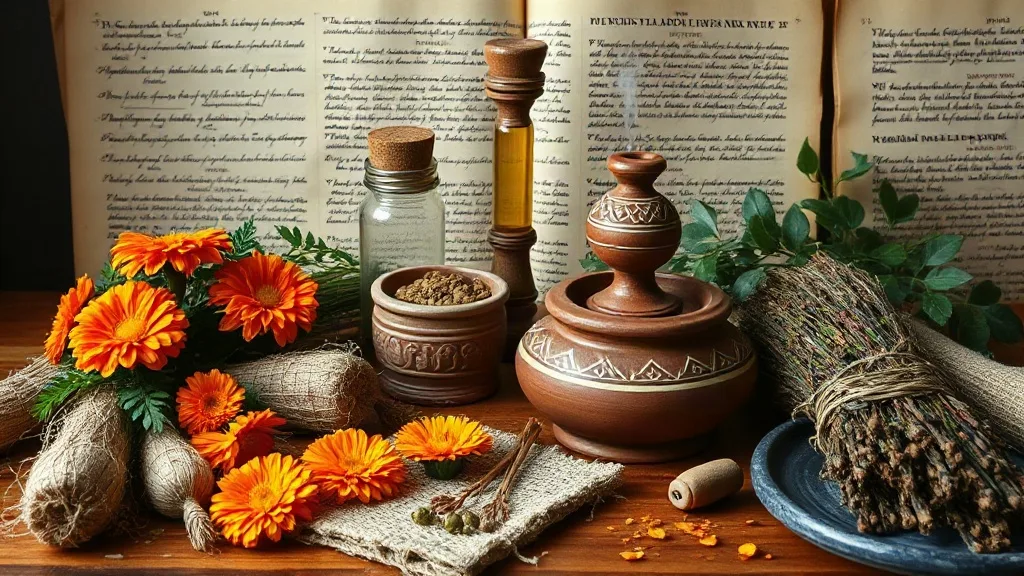
The text meticulously catalogs Mexico's botanical treasury, focusing on species that bridge the gap between the physical and spiritual realms. Central to the narrative are plants such as peyote, psilocybin mushrooms, and salvia divinorum, traditionally utilized by indigenous communities for divination, healing rituals, and ancestral communication. The author doesn't merely list species but explores their role as cultural anchors in Mesoamerican cosmovision.
Beyond the mystical, the book masterfully connects this ethnobotanical history with contemporary science. It translates ancient wisdom into modern phytotherapy, illustrating how traditional preparations inform current pharmacological research. However, this bridge is built with caution; the text emphasizes a critical framework of safety and ethics, highlighting:
- Dosage and Toxicity: The thin line between therapeutic use and toxicity.
- Conservation: The urgent need to protect endangered sacred species from over-harvesting.
- Cultural Respect: The importance of avoiding appropriation while integrating traditional knowledge.
Ultimately, the work serves as a sophisticated guide that honors the sacred origins of these plants while providing a grounded, safety-first perspective for the modern practitioner.
How It Compares to Other Books and Who Should Read It
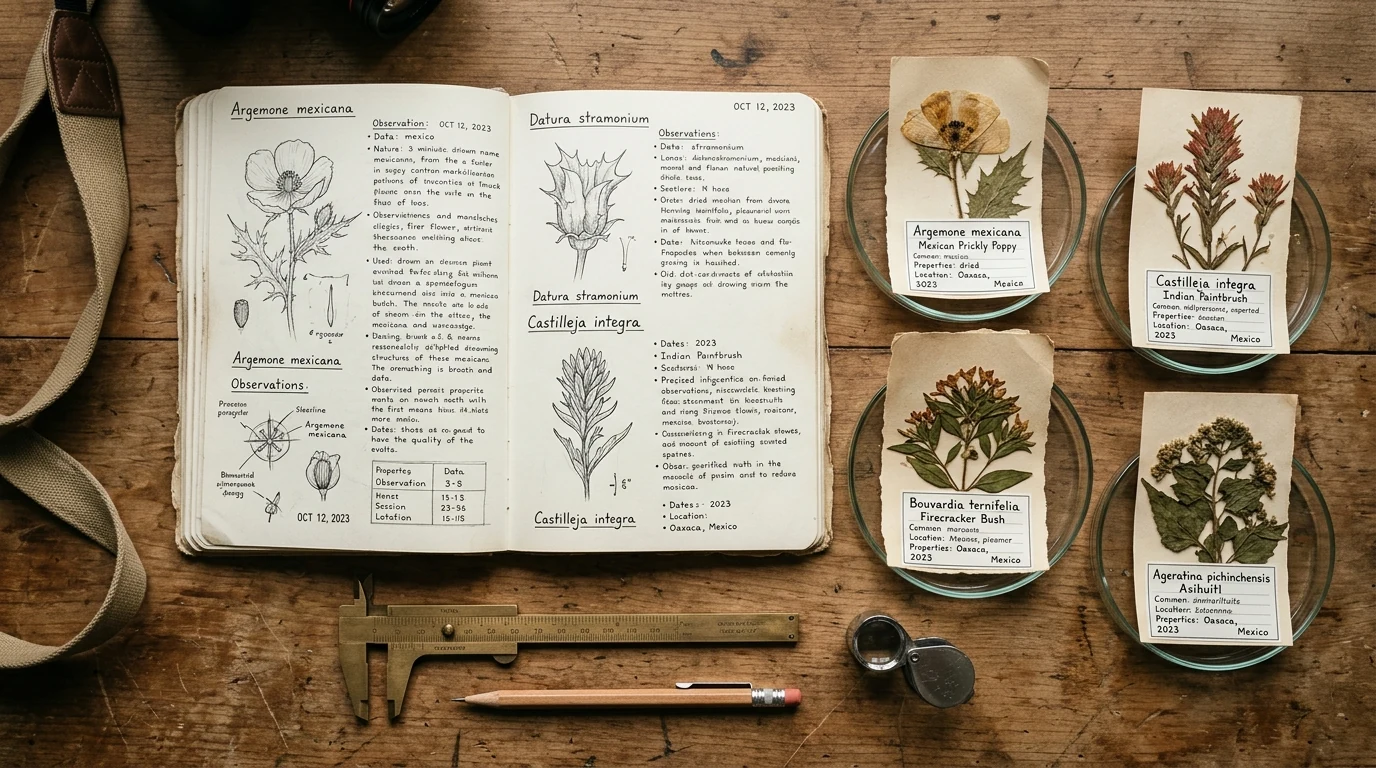
Unlike many academic surveys of Mexican botany that prioritize taxonomy over tradition, Plantas Sagradas de México strikes a rare balance between scientific rigor and spiritual reverence. While standard herbalism guides often focus solely on pharmacological properties, this work delves deeper into the ethno-botanical relationship between the land and the soul, offering a narrative richness that rivals the most respected anthropological studies of Mesoamerican shamanism.
The book distinguishes itself through its practical accessibility; it avoids the dryness of a textbook while maintaining a level of depth that prevents it from being a mere "coffee table" book. It is an essential bridge between ancient wisdom and modern understanding.
This book is an ideal read for:
- Herbalists and Researchers: Those seeking a structured yet nuanced understanding of Mexico's unique floral pharmacopeia.
- Spiritual Seekers: Individuals interested in the intersection of consciousness, sacred geometry, and plant medicine.
- General Readers: Anyone captivated by Mexican culture who wishes to explore the mystical bond between nature and ancestral healing.
Whether you are looking for a practical field guide or a philosophical journey into the sacred, this volume provides the depth and clarity necessary to navigate the complex world of Mexican sacred plants.
¿Deseas profundizar en Reseña: “Plantas sagradas de México?
Consulta la selección de libros oficiales, manuales de botica y hierbas auténticas disponibles en Amazon con envío prioritario:
Check Prices and Deals on Amazon ↗Frequently Asked Questions about Mexican Herbalism Books
What is 'Plantas sagradas de México' mainly about?
It is a specialized work that explores the sacred and medicinal plants of Mexico, documenting their ethnobotanical background, traditional uses, botanical identification, and the principles needed for safe, respectful application.
Is 'Plantas sagradas de México' a reliable source for using these plants?
The book serves as a valuable scholarly and cultural reference, but readers should cross-check dosage, toxicity, and contraindications with modern pharmacological sources and consult qualified health professionals before using any plant therapeutically.